RedKalion
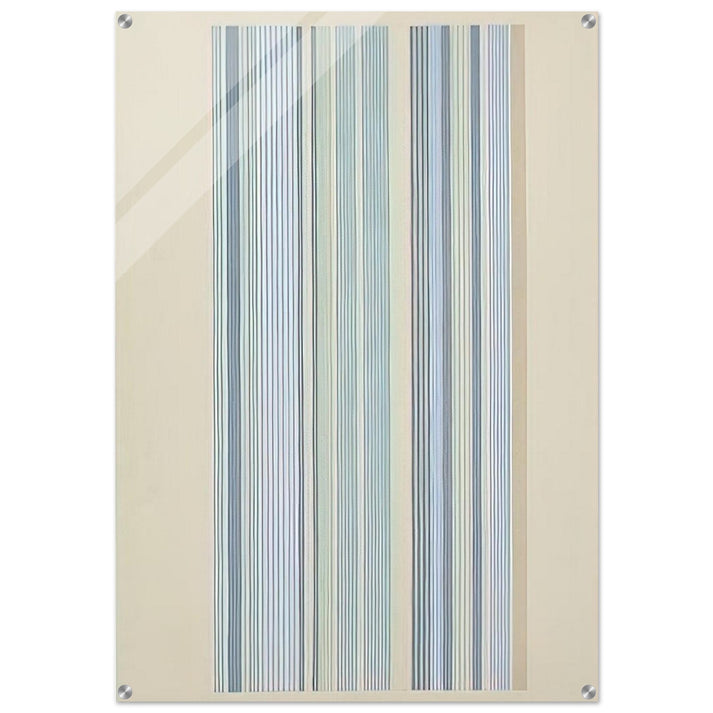
Blue Bird - 1978 - Gene Davis Acrylic Print - 70x100 cm / 28x40″ inches | Gene Davis Wall Art | Gene Davis Prints
Blue Bird - 1978 - Gene Davis Acrylic Print - 70x100 cm / 28x40″ inches | Gene Davis Wall Art | Gene Davis Prints
Couldn't load pickup availability
Elevate Your Space with Gene Davis: "Blue Bird" (1978)
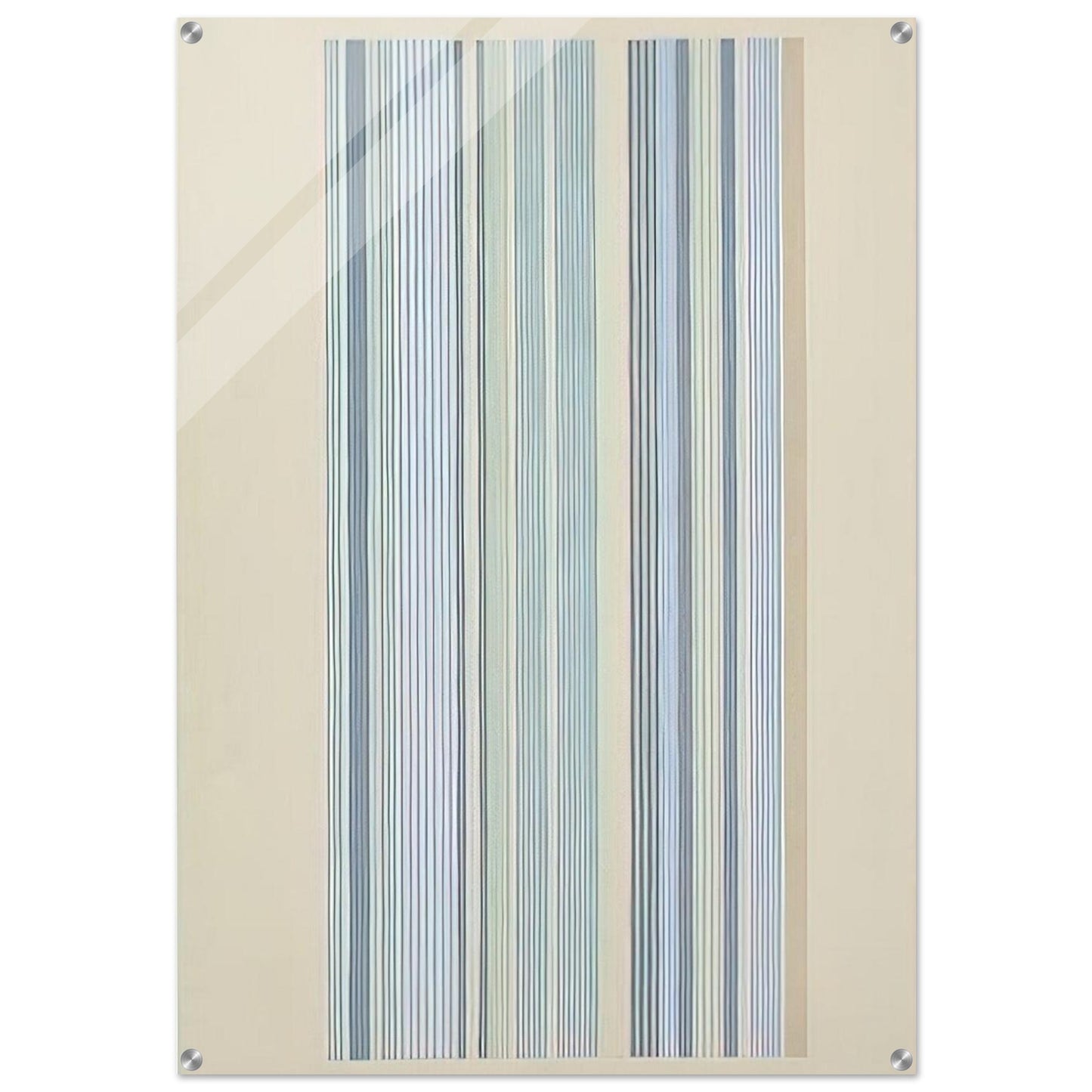
Step into the rhythmic world of the Washington Color School with Blue Bird (1978), a seminal work by the American master Gene Davis. This archival-grade acrylic print captures the artist’s sophisticated exploration of chromatic intervals and verticality. Davis, a pioneer of Color Field painting, utilized the 'stripe' not merely as a geometric shape, but as a vehicle for pure color perception, inviting the viewer to 'read' the painting from side to side like a musical score.
Museum-Quality Craftsmanship by RedKalion
Our commitment to excellence ensures that this Gene Davis wall art is more than a simple reproduction; it is a meticulously crafted physical object designed to last generations. The piece is rendered on 4mm (0.15") high-grade acrylic, which provides a depth and luminosity that traditional paper prints cannot achieve. The vibrant blues and calculated rhythms of "Blue Bird" are intensified by the acrylic's light-refracting properties, resulting in a sleek, modern finish with straight-cut corners.
Technical Precision and Durability
- Archival Integrity: Printed with UV-resistant inks that preserve the integrity of Davis’s specific palette.
- Premium Material: 4mm acrylic for a durable, shatter-resistant, and high-gloss finish.
- Ready to Display: Each print includes a professional hanging kit with screws and pre-drilled holes at each corner (14mm from the edge).
- Aesthetic Detail: Transparent backgrounds default to white, ensuring the vertical stripes of "Blue Bird" maintain their intended brilliance.
By choosing RedKalion, you are investing in a piece of art history. Our Gene Davis prints are curated for the discerning collector who values both the historical weight of the Washington Color School and the pinnacle of contemporary printing technology. Experience an archival masterpiece that endures.
Discover Unlimited Art Possibilities
At RedKalion, you can find virtually any artwork from any artist, available in a wide range of sizes to perfectly match your space.
If you didn’t find what you’re looking for, contact us at support@redkalion.com . We will source any artwork and produce it in any size and format you need, including art prints, posters, canvas, framed pieces, framed canvas, and more.
For dedicated art enthusiasts, we also offer handcrafted replicas of any artwork, carefully painted by highly skilled artists using traditional techniques.
For custom requests, contact us at support@redkalion.com .
What makes this Gene Davis "Blue Bird" print a museum-quality reproduction?
Our Gene Davis prints utilize advanced UV-printing on 4mm acrylic, ensuring color accuracy and archival longevity that matches gallery standards for clarity and depth.
How is the acrylic print constructed for longevity?
Each print is made from 0.15" thick, shatter-resistant acrylic that protects the artwork from moisture and fading, ensuring a durable and vibrant finish for decades.
What hanging hardware is included with this artwork?
The print includes a complete hanging kit with screws. Holes (8mm diameter) are pre-drilled at each corner, 14mm from the edge, to accommodate 15mm screw heads.
How does the 4mm acrylic enhance the colors of "Blue Bird"?
The 4mm acrylic surface acts as a lens, refracting light to enhance the saturation and depth of the vertical color bands, making the blues appear more luminous.
What are the shipping and handling details for large-format prints?
We use specialized protective packaging to ensure your 70x100 cm acrylic print arrives in pristine condition. Global shipping is tracked and fully insured.
Who was Gene Davis and what was his contribution to the Washington Color School?
Gene Davis was a leader of the Washington Color School, famous for his 'stripe paintings' that explored visual rhythm, color relationships, and the concept of optical interval.
What is the significance of the vertical stripe motif in Davis's 1978 works?
In 1978, Davis continued to refine his use of stripes to dictate the pace of the viewer's gaze, creating a 'time-based' experience through non-objective abstraction.