RedKalion
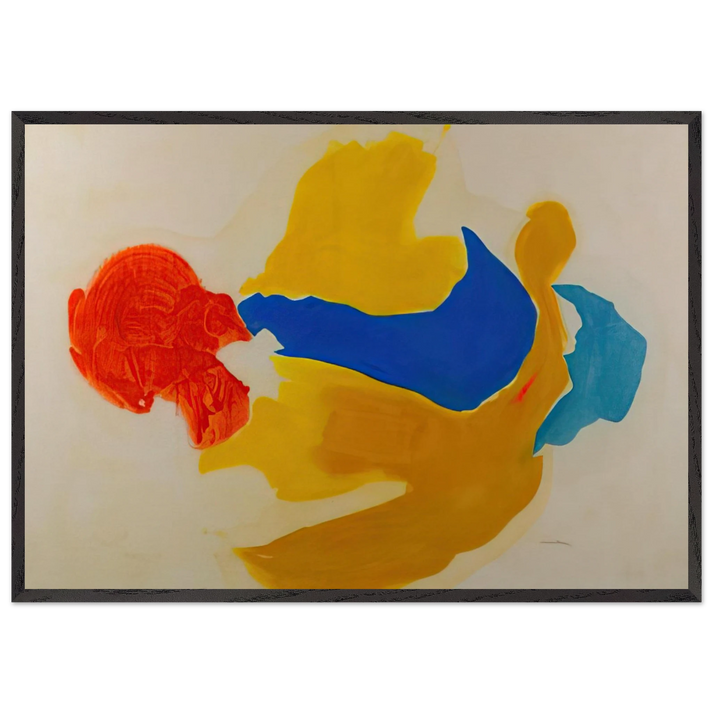
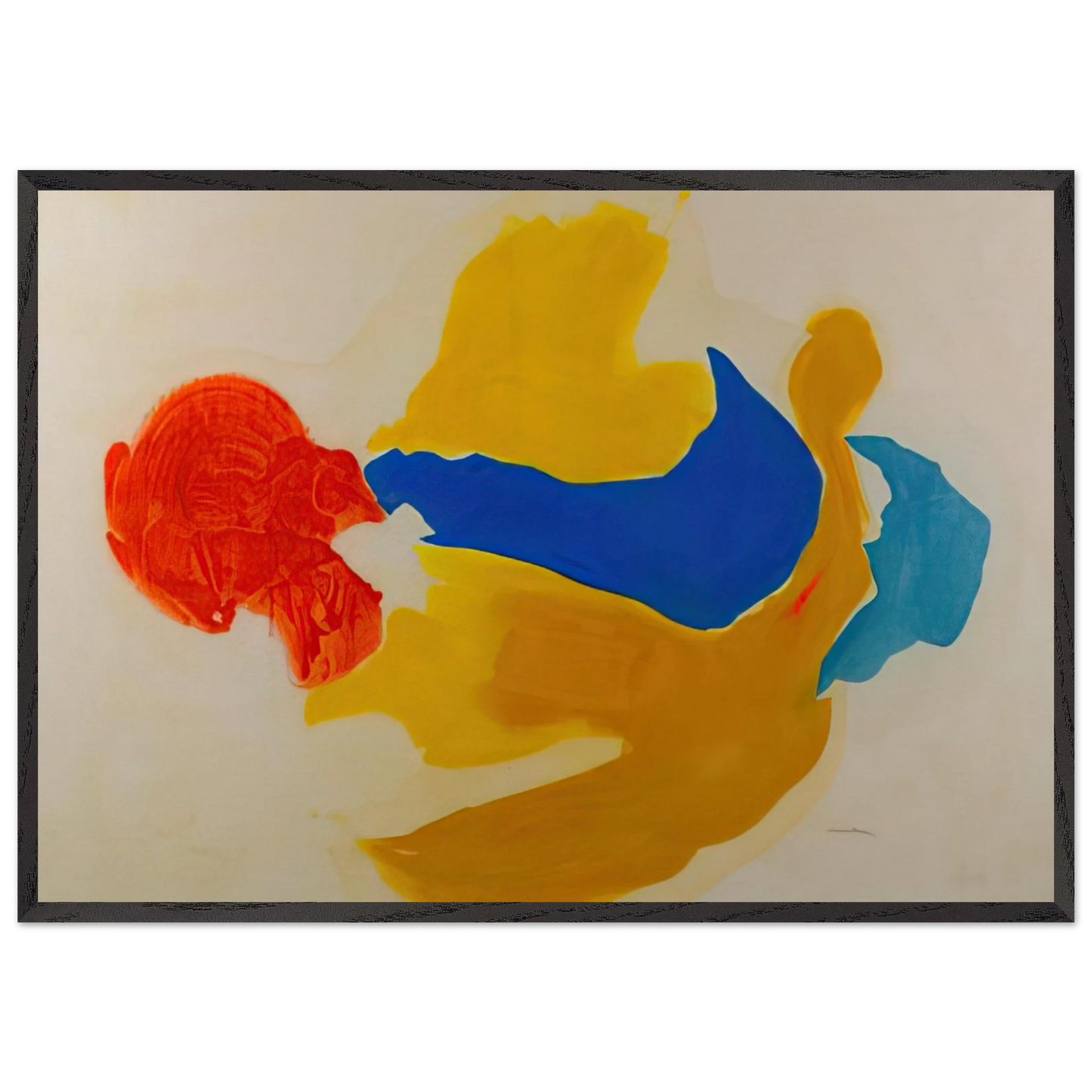
Blue Jay - 1963 United States - Helen Frankenthaler 70x100 cm / 28x40 inches Framed Art Print – Black Wooden Frame
Blue Jay - 1963 United States - Helen Frankenthaler 70x100 cm / 28x40 inches Framed Art Print – Black Wooden Frame
Couldn't load pickup availability
Helen Frankenthaler’s Blue Jay (1963): A Masterpiece of Lyrical Abstraction
Elevate your space with a museum-quality reproduction of Helen Frankenthaler’s Blue Jay (1963). A pivotal figure in the development of Color Field painting, Frankenthaler redefined the possibilities of the medium with her signature 'soak-stain' technique. This exquisite fine art print captures the ethereal fluidity and vibrant chromatic depth of the original work, reflecting the artist's profound influence on mid-century American abstraction.
RedKalion brings this archival masterpiece to life using the finest materials to ensure lasting brilliance. Each piece is printed on 250 gsm (110 lb) museum-quality paper, featuring a natural white, matte, and uncoated finish that emphasizes the subtle textures and delicate washes of color. This archival-grade paper is 0.29 mm (11.4 mils) thick, ensuring the print remains a sophisticated focal point for generations.
Premium Craftsmanship and Sustainable Design
Your Blue Jay framed art print arrives ready-to-hang, encased in a premium 20mm (0.79") thick frame crafted from responsibly sourced oak and ash wood. Finished in a classic black, the frame provides a bold contrast to the airy composition of the artwork. To protect the integrity of the print, we utilize transparent, shatterproof plexiglass, offering a clear view while safeguarding the piece from environmental elements.
- Artist: Helen Frankenthaler (United States)
- Paper Weight: 250 gsm (110 lb) for a premium feel.
- Frame Material: Solid FSC-certified wood (Oak/Ash).
- Protection: Shatterproof plexiglass for long-term preservation.
- Longevity: Archival-grade, acid-free paper to prevent yellowing.
By choosing RedKalion, you are investing in an archival reproduction that respects the legacy of the artist while adhering to modern sustainability standards. This framed piece is not merely decor; it is an enduring tribute to the 1963 American abstract movement.
Discover Unlimited Art Possibilities
At RedKalion, you can find virtually any artwork from any artist, available in a wide range of sizes to perfectly match your space.
If you didn’t find what you’re looking for, contact us at support@redkalion.com . We will source any artwork and produce it in any size and format you need, including art prints, posters, canvas, framed pieces, framed canvas, and more.
For dedicated art enthusiasts, we also offer handcrafted replicas of any artwork, carefully painted by highly skilled artists using traditional techniques.
For custom requests, contact us at support@redkalion.com .
What makes this Helen Frankenthaler print "museum-quality"?
Our museum-quality fine art prints utilize 250 gsm archival-grade, natural white paper. This acid-free material prevents yellowing over time, ensuring the vibrant colors of Frankenthaler’s 1963 masterpiece remain as vivid as the day they were printed.
How is the "Blue Jay" print framed and finished?
The artwork is professionally mounted in a 20mm thick frame made from solid oak and ash. We use a black finish and protect the print with shatterproof plexiglass, providing a sophisticated look and enhanced durability compared to standard frames.
Is the paper finish glossy or matte?
We use a premium matte, uncoated finish. This creates a glare-free viewing experience, allowing the viewer to appreciate the delicate nuances of Frankenthaler’s soak-stain technique without distracting reflections from interior lighting.
Is the framing material sustainably sourced?
Yes, at RedKalion, we use FSC-certified materials or equivalent, ensuring that the oak and ash used in our 20mm thick frames are sourced through responsible and sustainable forestry practices.
Does the framed print arrive ready to hang?
Absolutely. Every framed art print includes a pre-installed hanging kit. The robust 20mm frame provides structural integrity, allowing you to display your Helen Frankenthaler piece immediately upon arrival.
What was Helen Frankenthaler’s "soak-stain" technique?
Developed in the early 1950s, this technique involved thinning oil paint with turpentine or kerosene, allowing the pigment to soak directly into the raw, unprimed canvas, creating the luminous, watercolor-like effects seen in Blue Jay.
In what historical context was Blue Jay (1963) created?
Painted in 1963, Blue Jay represents the peak of Frankenthaler’s transition toward larger, simpler forms. This era marked a shift from the busy textures of Abstract Expressionism toward the expansive, emotive power of Color Field painting.