RedKalion
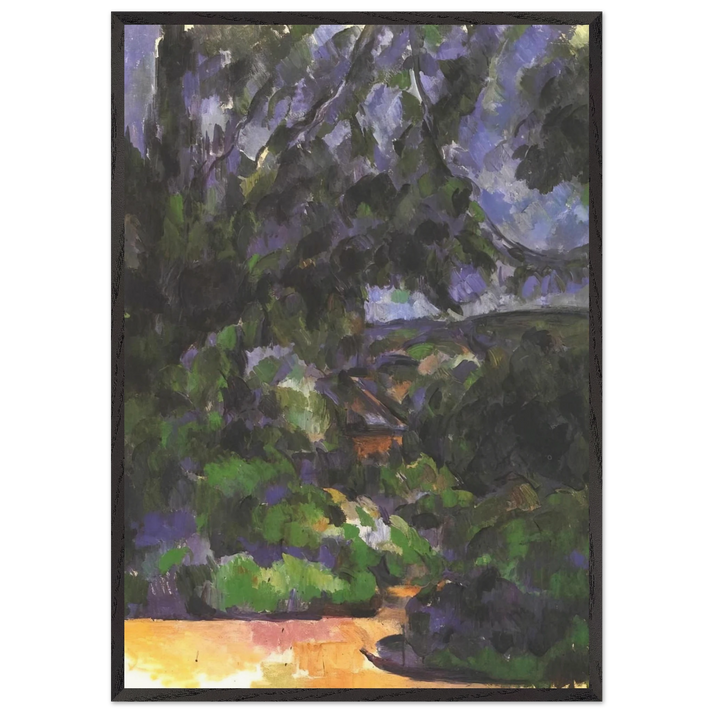
Blue Landscape - Paul Cezanne 70x100 cm / 28x40 inches Framed Art Print – Black Wooden Frame
Blue Landscape - Paul Cezanne 70x100 cm / 28x40 inches Framed Art Print – Black Wooden Frame
Couldn't load pickup availability
Capture the Essence of Post-Impressionism with Cézanne’s Blue Landscape
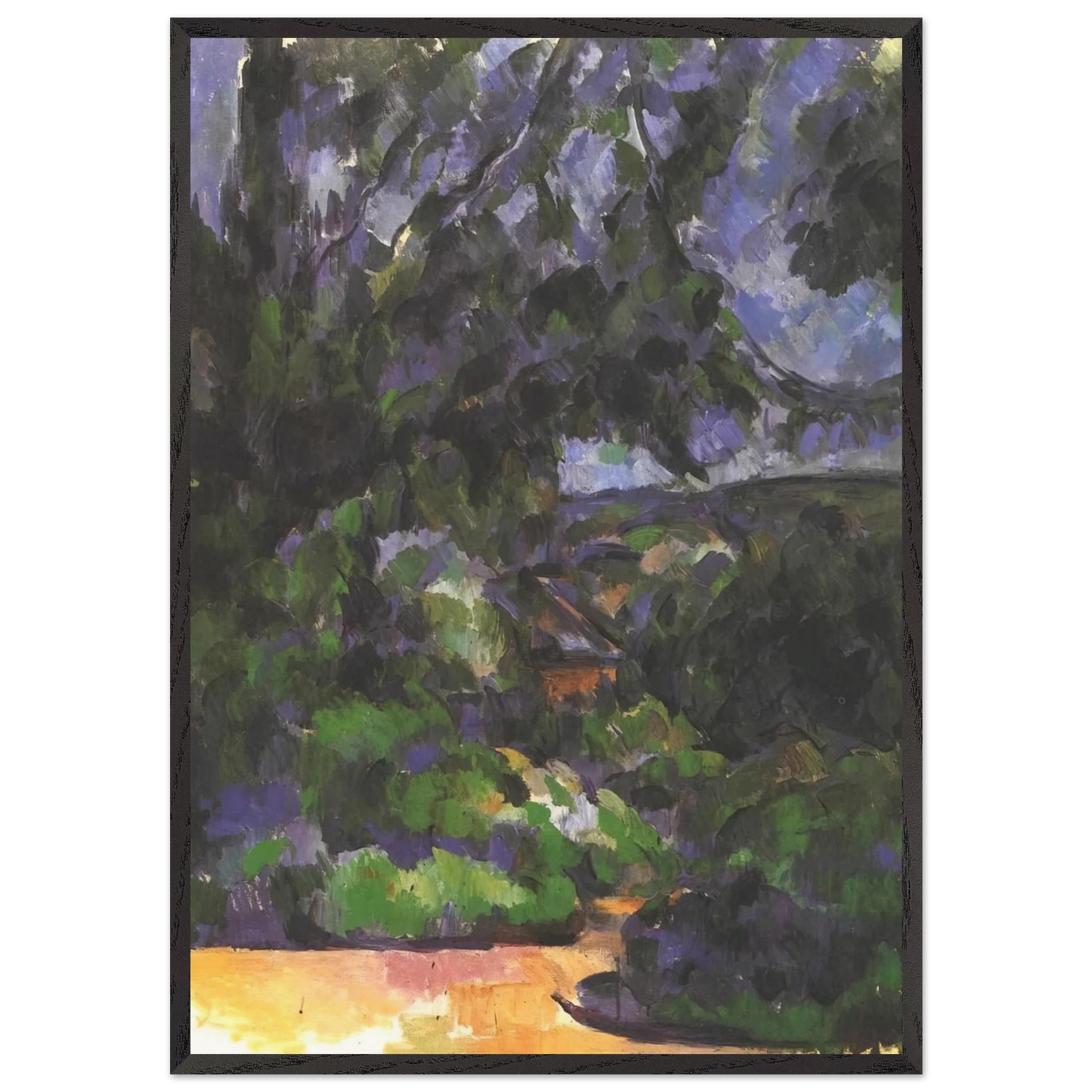
Paul Cézanne’s Blue Landscape (Le Paysage bleu) is a profound exploration of color and structure, representing the bridge between 19th-century Impressionism and the dawn of 20th-century Cubism. Painted in his later years near Aix-en-Provence, this masterpiece utilizes a cool, ethereal palette to dissolve the boundaries between earth and sky. At RedKalion, we offer this museum-quality reproduction, meticulously crafted to preserve the rhythmic brushstrokes and tonal depth of the original work.
Museum-Grade Materials for an Enduring Masterpiece
Our commitment to archival excellence ensures that your Paul Cézanne fine art print remains a centerpiece for generations. Printed on 250 gsm (110 lb) natural white, matte paper, the texture captures every nuance of Cézanne's technique. The paper is FSC-certified and uncoated, providing a sophisticated, glare-free finish that allows the rich blues and greens to resonate with clarity.
- Sustainably Sourced Frames: Encased in a premium black wooden frame crafted from responsibly sourced oak and ash.
- Superior Dimensions: A robust 20mm (0.79") frame profile provides a more substantial, gallery-ready presence than standard frames.
- Unrivaled Protection: Each print is shielded by high-quality, shatterproof plexiglass, ensuring durability without sacrificing visual fidelity.
- Seamless Installation: Arrives ready-to-hang with a professional hanging kit included for effortless display.
A Legacy of Structural Harmony
Cézanne was famously obsessed with "treating nature by means of the cylinder, the sphere, the cone." In Blue Landscape, he moves away from literal representation toward a spiritual, atmospheric geometry. By choosing this archival-grade framed print, you are not merely decorating a wall; you are inviting the intellectual rigor and serene beauty of a foundational moment in art history into your home or office through a piece that reflects the high standards of RedKalion.
Discover Unlimited Art Possibilities
At RedKalion, you can find virtually any artwork from any artist, available in a wide range of sizes to perfectly match your space.
If you didn’t find what you’re looking for, contact us at support@redkalion.com . We will source any artwork and produce it in any size and format you need, including art prints, posters, canvas, framed pieces, framed canvas, and more.
For dedicated art enthusiasts, we also offer handcrafted replicas of any artwork, carefully painted by highly skilled artists using traditional techniques.
For custom requests, contact us at support@redkalion.com .
What defines the quality of this Paul Cézanne reproduction?
RedKalion uses 250 gsm archival museum-quality paper, ensuring that the Blue Landscape reproduction captures the tonal precision and structural nuances of Cézanne's original work with lifelong color fidelity.
Is the frame sustainably sourced?
Yes, all our frames are made from FSC-certified or equivalent responsibly sourced oak and ash wood, featuring a premium 20mm thickness for enhanced gallery aesthetics.
How is the artwork protected during shipping and display?
Each print is protected by shatterproof plexiglass and shipped in robust, secure packaging to ensure it arrives in pristine condition at your doorstep.
Does the print come ready to hang?
Absolutely. Every framed art print includes a high-quality hanging kit, allowing you to elevate your space immediately upon arrival.
What are the archival properties of the paper?
The 250 gsm paper is natural white, uncoated, and acid-free. This museum-quality standard prevents yellowing and ensures the print remains vibrant for decades.
What is the significance of the blue palette in this Cézanne piece?
The dominant blue tones in Blue Landscape signify Cézanne's move toward atmospheric abstraction, using cool colors to create depth and a sense of infinite space without traditional perspective.
During which period did Cézanne paint Blue Landscape?
Cézanne painted this work between 1904 and 1906, during his late period when he focused on synthesizing structural form with subjective emotional color.