RedKalion
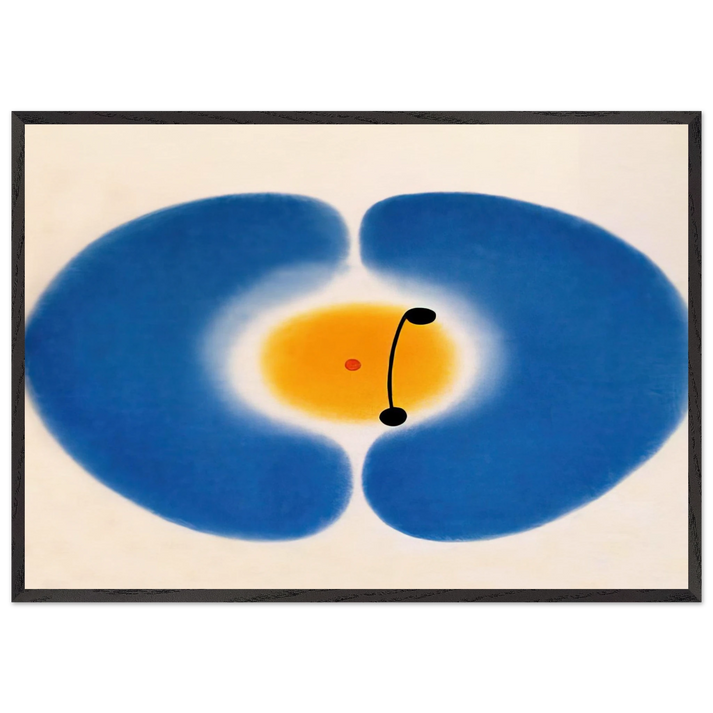
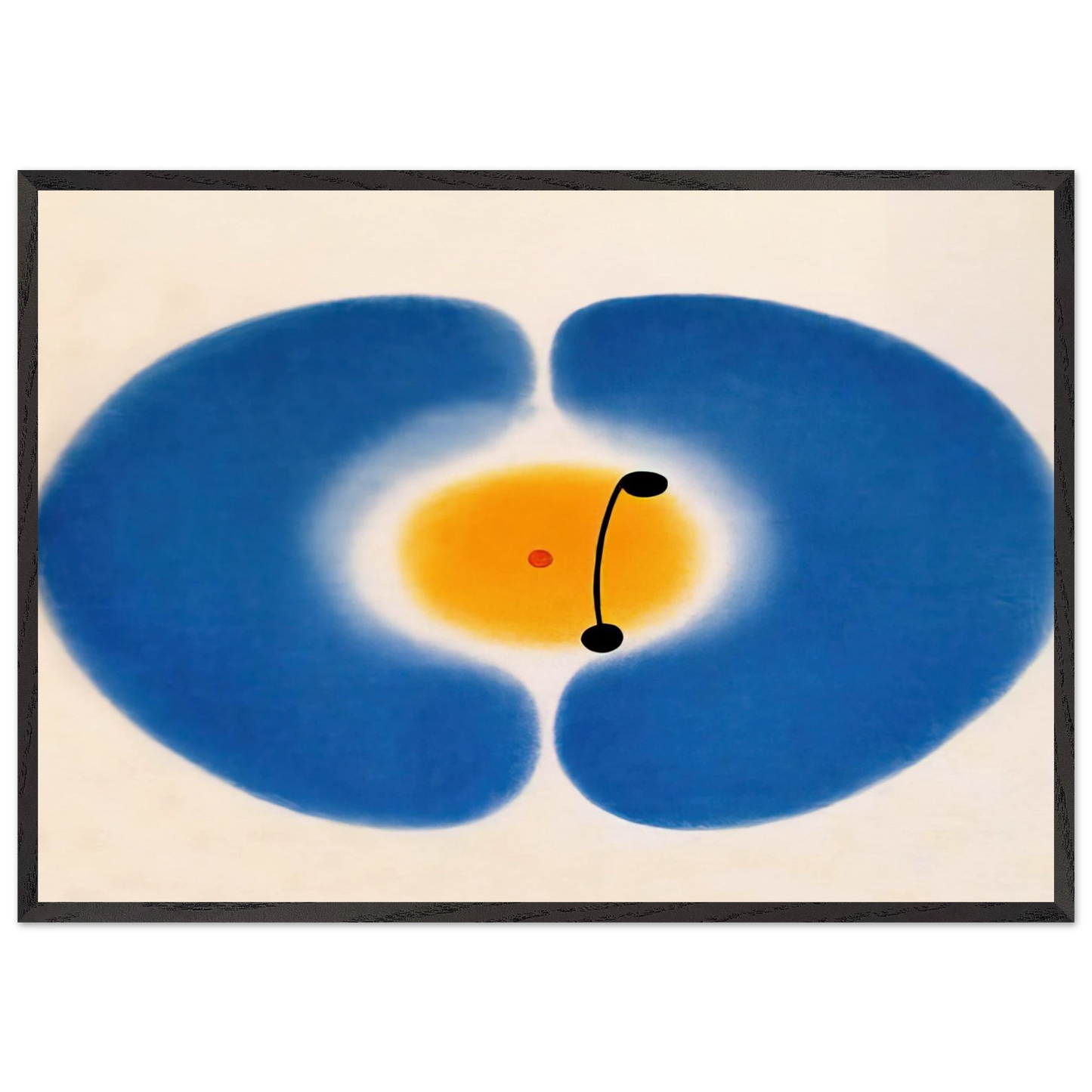
Blue Mandala - 1978 - Victor Pasmore 70x100 cm / 28x40 inches Framed Art Print – Black Wooden Frame
Blue Mandala - 1978 - Victor Pasmore 70x100 cm / 28x40 inches Framed Art Print – Black Wooden Frame
Couldn't load pickup availability
A Masterpiece of British Abstraction: Victor Pasmore’s Blue Mandala (1978)
Elevate your interior with the serene, geometric precision of Victor Pasmore’s Blue Mandala (1978). As a pioneer of the British abstract movement, Pasmore transitioned from representational painting to a lyrical, constructivist style that redefined 20th-century modernism. This 70x100 cm museum-quality reproduction captures the ethereal depth of Pasmore’s exploration into cosmic harmony and linear rhythm, making it an essential acquisition for the discerning art collector.
The RedKalion Standard: Museum-Quality Craftsmanship
At RedKalion, we curate more than just images; we provide archival legacy. This fine art print is meticulously rendered on 250 gsm (110 lb), natural white, matte-finished paper. This uncoated, archival-grade medium ensures that the intricate blue hues and structural lines of Pasmore’s vision remain vibrant and lightfast for generations.
Sophisticated Framing and Sustainable Luxury
Your Blue Mandala arrives encased in a premium black wooden frame, crafted from responsibly sourced oak and ash. Unlike standard thin frames, our 20mm (0.79") thick profile provides a substantial, gallery-grade presence on your wall. Each piece is protected by shatterproof plexiglass, ensuring the safety of your investment while maintaining absolute clarity.
- Artist: Victor Pasmore (1908–1998)
- Title: Blue Mandala (1978)
- Paper: 250 gsm archival, museum-quality paper
- Frame: 20mm premium black oak/ash wood (FSC-certified)
- Ready-to-hang: Includes hanging kit for immediate installation
Discover Unlimited Art Possibilities
At RedKalion, you can find virtually any artwork from any artist, available in a wide range of sizes to perfectly match your space.
If you didn’t find what you’re looking for, contact us at support@redkalion.com . We will source any artwork and produce it in any size and format you need, including art prints, posters, canvas, framed pieces, framed canvas, and more.
For dedicated art enthusiasts, we also offer handcrafted replicas of any artwork, carefully painted by highly skilled artists using traditional techniques.
For custom requests, contact us at support@redkalion.com .
What defines the quality of this Victor Pasmore reproduction?
RedKalion utilizes 250 gsm (110 lb) archival, museum-quality paper. This natural white, matte-finished paper is acid-free and designed to preserve the vibrant pigments of Victor Pasmore's Blue Mandala for decades without yellowing.
How is the Blue Mandala print framed?
This print is housed in a 20mm thick black wooden frame made from sustainably sourced oak and ash. The frame is wider than industry standards, providing a premium, gallery-style aesthetic for your space.
Is the artwork protected against damage during shipping or display?
Yes, each print is protected by shatterproof plexiglass, which offers superior clarity and safety compared to traditional glass. We also use FSC-certified materials to ensure environmental sustainability and physical durability.
Does the print come ready to display?
Absolutely. Your framed Victor Pasmore Blue Mandala includes a professional hanging kit, allowing it to be mounted directly onto your wall upon arrival without the need for additional hardware.
How does RedKalion ensure the longevity of the print?
By combining archival-grade, 0.29mm thick paper with UV-resistant inks and a protective frame, we ensure your fine art print meets museum standards for long-term preservation and resistance to fading.
What is the significance of the mandala form in Pasmore's 1978 work?
For Victor Pasmore, the mandala represented a search for universal order and cosmic harmony. In 1978, his use of this form symbolized the convergence of mathematical precision and organic, lyrical abstraction.
Why is Victor Pasmore a pivotal figure in 20th-century art?
Victor Pasmore was a leading force in British Modernism. His shift from representational art to pure abstraction in the late 1940s revolutionized the Euston Road School and established him as a master of constructivist principles.