RedKalion
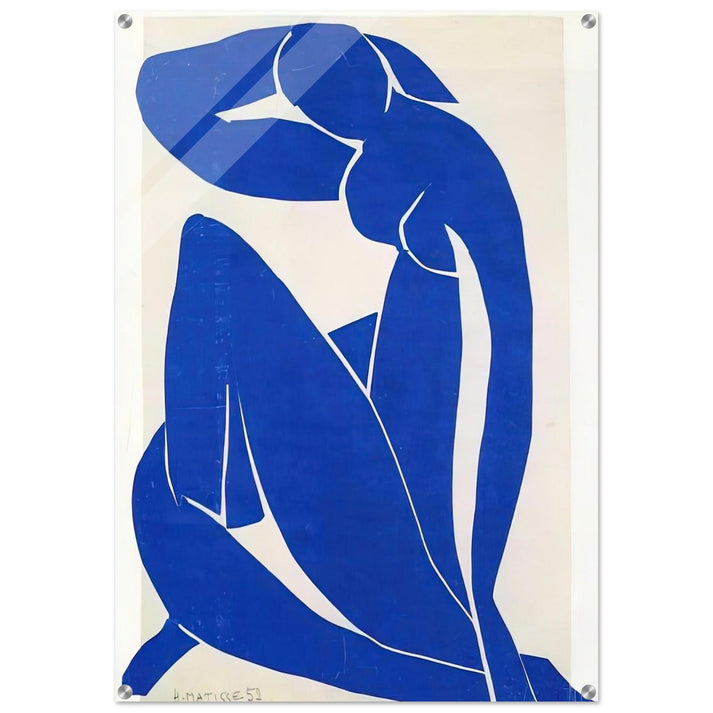
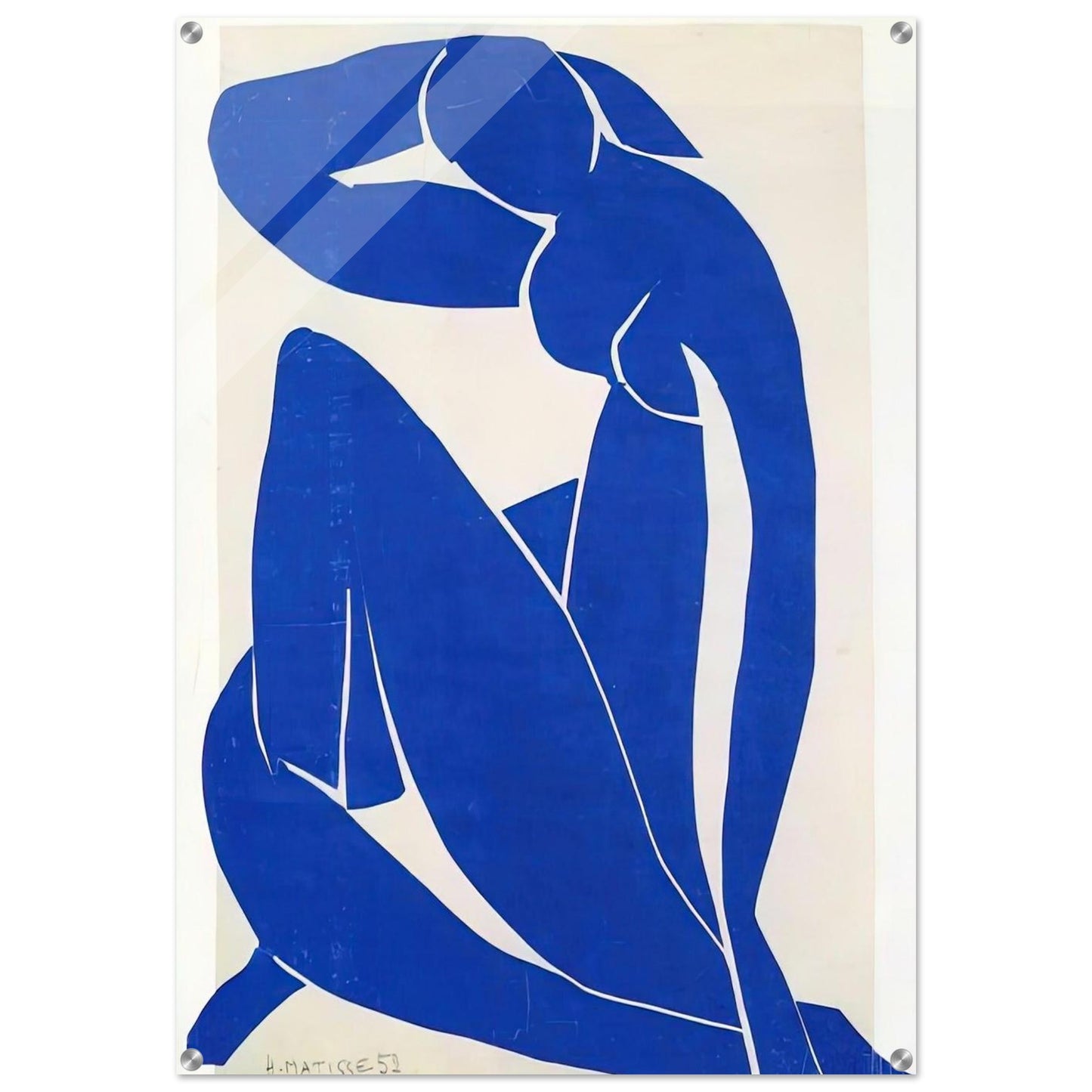
BLUE NUDE 1952 - Henri Matisse Acrylic Print - 70x100 cm / 28x40″ inches | Henri Matisse Wall Art | Henri Matisse Prints
BLUE NUDE 1952 - Henri Matisse Acrylic Print - 70x100 cm / 28x40″ inches | Henri Matisse Wall Art | Henri Matisse Prints
Couldn't load pickup availability
Elevate Your Space with Matisse's Iconic Mastery
In 1952, toward the end of his illustrious career, Henri Matisse achieved a profound synthesis of color and form with his Blue Nude series. This Henri Matisse wall art represents the pinnacle of his 'drawing with scissors' technique—a method developed during a period of physical limitation that allowed him to interact directly with color. At RedKalion, we have meticulously translated this museum-quality masterpiece into a stunning acrylic print, preserving the rhythmic curves and vibrant ultramarine that define modern aestheticism.
Museum-Quality Craftsmanship meets Modern Design
Our reproduction of Blue Nude 1952 is more than a simple print; it is an archival-grade work of art designed to endure. Utilizing a 4mm (0.15") acrylic substrate, the piece gains an extraordinary depth and luminosity that traditional paper cannot replicate. The straight-cut corners provide a clean, contemporary silhouette that complements the minimalist nature of Matisse’s late work. For optimal clarity, any transparent backgrounds in the original design are rendered in brilliant white, ensuring the silhouette of the nude remains the focal point of your interior.
The Legacy of the Gouaches Découpés
Matisse’s transition to the gouaches découpés (cut-outs) was a radical departure that influenced the trajectory of 20th-century art. By simplifying the human figure to its essential geometry, Matisse expressed a sense of weightless serenity and monumental presence. This fine art print captures that spirit, offering a sophisticated focal point for collectors who value both historical significance and impeccable physical quality. When you choose a RedKalion piece, you are investing in a museum-quality reproduction curated by experts who understand the nuances of color theory and archival longevity.
- Material: Premium 4mm acrylic for enhanced vibrancy and durability.
- Finish: Sleek, straight-cut edges for a high-end gallery aesthetic.
- Installation: Includes a professional hanging kit with discrete hardware.
- Longevity: Archival-grade materials resistant to fading and environmental wear.
Discover Unlimited Art Possibilities
At RedKalion, you can find virtually any artwork from any artist, available in a wide range of sizes to perfectly match your space.
If you didn’t find what you’re looking for, contact us at support@redkalion.com . We will source any artwork and produce it in any size and format you need, including art prints, posters, canvas, framed pieces, framed canvas, and more.
For dedicated art enthusiasts, we also offer handcrafted replicas of any artwork, carefully painted by highly skilled artists using traditional techniques.
For custom requests, contact us at support@redkalion.com .
What material is used for the Blue Nude 1952 print?
We use a premium 4mm (0.15") acrylic substrate. This material provides a sleek, durable finish and enhances the vibrancy of Matisse’s iconic blue, offering more depth than a standard fine art print.
How do I hang my Matisse acrylic print?
Each print includes a professional hanging kit with screws and pre-drilled holes at each corner (14mm from the edge). This ensures a secure, level installation and a modern, floating appearance on your wall.
What makes this reproduction museum-quality?
RedKalion utilizes high-resolution digital captures and archival-grade pigments. The 4mm acrylic preserves color accuracy and protects the artwork from UV damage, matching the standards found in professional galleries.
Is shipping secure for large acrylic pieces?
Yes. We use specialized, reinforced packaging designed to protect the acrylic from scratches and impact during transit, ensuring your Henri Matisse wall art arrives in pristine condition.
Will the colors fade over time?
No. Our acrylic prints are created using UV-resistant inks and archival materials. This ensures the Blue Nude’s striking ultramarine hue remains vibrant for decades without yellowing or fading.
Why did Matisse create the Blue Nude series using cut-outs?
In his final years, illness prevented Matisse from painting at an easel. He turned to 'cut-outs,' using scissors to cut shapes from prepainted paper, which he called 'drawing into color' to simplify form.
What does the seated pose in Blue Nude 1952 represent?
The pose, with legs crossed and arm behind the head, is a classic motif Matisse explored for decades. In the 1952 cut-out, it represents a culmination of his search for harmony between space and figure.