

RedKalion
BLUE NUDE - Henri Matisse Brushed Aluminum Print - 70x100 cm / 28x40 inches | Henri Matisse Aluminum Print | Henri Matisse Prints
BLUE NUDE - Henri Matisse Brushed Aluminum Print - 70x100 cm / 28x40 inches | Henri Matisse Aluminum Print | Henri Matisse Prints
Couldn't load pickup availability
The Convergence of Modernism and Industrial Elegance
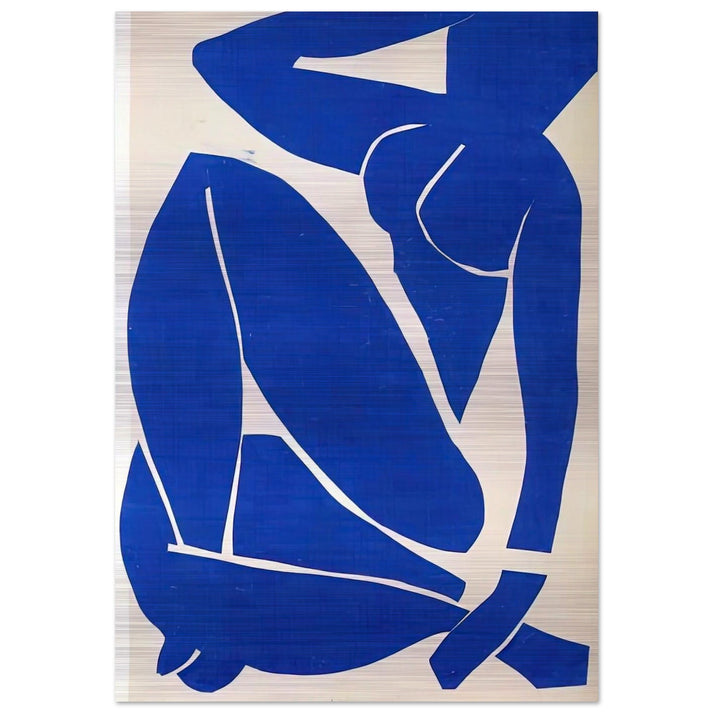
Henri Matisse’s Blue Nude (Nu bleu) series represents the pinnacle of the artist’s late-career mastery. Created in 1952 during his famous 'drawing with scissors' period, these iconic silhouettes redefined the boundaries of figurative art. By stripping the human form to its essential, undulating curves, Matisse achieved a balance of volume and void that remains as radical today as it was in the mid-20th century. At RedKalion, we elevate this modernist masterpiece through a sophisticated medium: the Brushed Aluminum DIBOND® print.
Museum-Quality Craftsmanship on Metallic Canvas
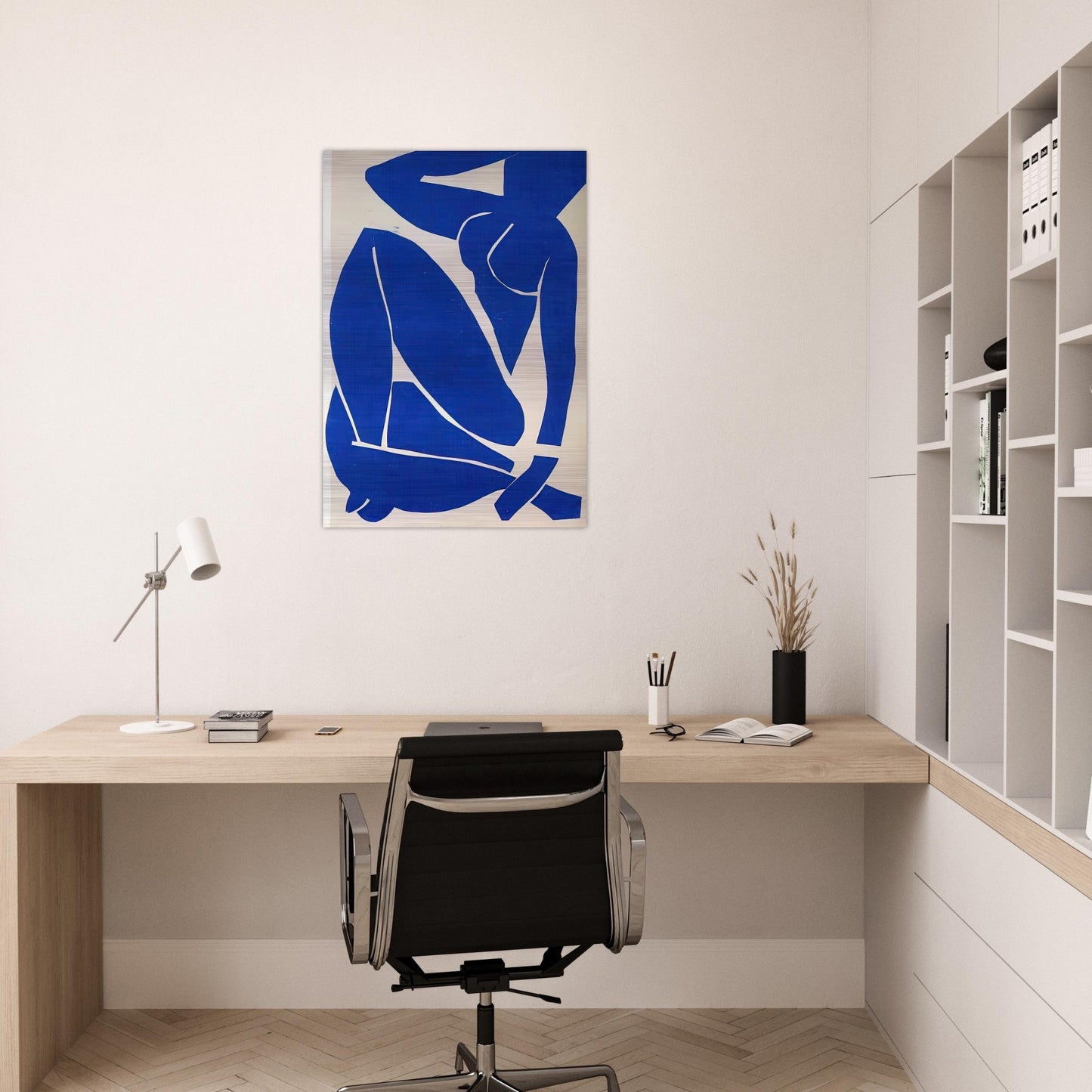
This Henri Matisse aluminum print is not a mere reproduction; it is a contemporary interpretation of a historical icon. The interaction between Matisse's bold ultramarine blue and the horizontal grain of the 3mm (0.12") brushed silver aluminum creates a dynamic visual experience. The matte, glare-free finish ensures that the focus remains on the purity of the composition, making it an ideal centerpiece for minimalist or high-concept interiors.
- Material: Genuine Brushed Silver Aluminum DIBOND® for a rigid, archival-grade foundation.
- Texture: A unique horizontal grain that catches the light, providing a metallic luster to any unprinted areas.
- Printing Technique: Advanced direct-to-material printing for vivid color saturation and durability.
- Aesthetic: A sophisticated matte finish that eliminates reflections, perfect for brightly lit galleries or homes.
- Ready to Hang: Each piece includes a specialized hanging kit tailored to your fulfillment region.
By choosing this museum-quality reproduction, you are investing in a piece that bridges the gap between traditional fine art and modern industrial design. The Blue Nude on aluminum is an archival-grade statement that honors Matisse’s legacy while providing the longevity and structural integrity required by discerning collectors.


Discover Unlimited Art Possibilities
At RedKalion, you can find virtually any artwork from any artist, available in a wide range of sizes to perfectly match your space.
If you didn’t find what you’re looking for, contact us at support@redkalion.com . We will source any artwork and produce it in any size and format you need, including art prints, posters, canvas, framed pieces, framed canvas, and more.
For dedicated art enthusiasts, we also offer handcrafted replicas of any artwork, carefully painted by highly skilled artists using traditional techniques.
For custom requests, contact us at support@redkalion.com .
What are the physical characteristics of the Henri Matisse Aluminum Print?
The print is crafted on 3mm (0.12") Brushed Silver Aluminum DIBOND®. It features a rigid base with a horizontal grain and a matte, glare-free finish that reveals a metallic effect in white areas.
Is the hanging hardware included with the artwork?
Yes, every RedKalion aluminum print comes with a hanging kit included. The specific type of kit may vary depending on the fulfillment country to ensure the most secure mounting for your region.
How does the brushed silver finish affect the Blue Nude's appearance?
The brushed silver aluminum adds a dynamic, metallic depth. While the blue ink remains matte, the unprinted regions of the silhouette showcase the silver grain, creating a striking interplay between form and material.
How long will this archival-grade reproduction last?
Aluminum DIBOND® is renowned for its durability and resistance to environmental factors. It is an archival-grade material that prevents warping and fading, ensuring your Henri Matisse print endures for decades.
What is RedKalion’s approach to shipping and logistics?
We prioritize the safety of your fine art print. Each piece is securely packaged in high-resistance materials and shipped via premium couriers to ensure it arrives in museum-quality condition.
What inspired Matisse to create the Blue Nude series?
Matisse developed the Blue Nudes using his 'gouaches découpés' (cut-out) technique. He sought to unite line and color simultaneously, 'carving' into color to find the essential spirit and movement of the female form.
Why did Matisse choose ultramarine blue for these specific works?
Matisse used a singular blue to emphasize silhouette and volume over detail. The color evokes a sense of infinite space and serenity, allowing the viewer to focus entirely on the rhythmic flow of the composition.