RedKalion
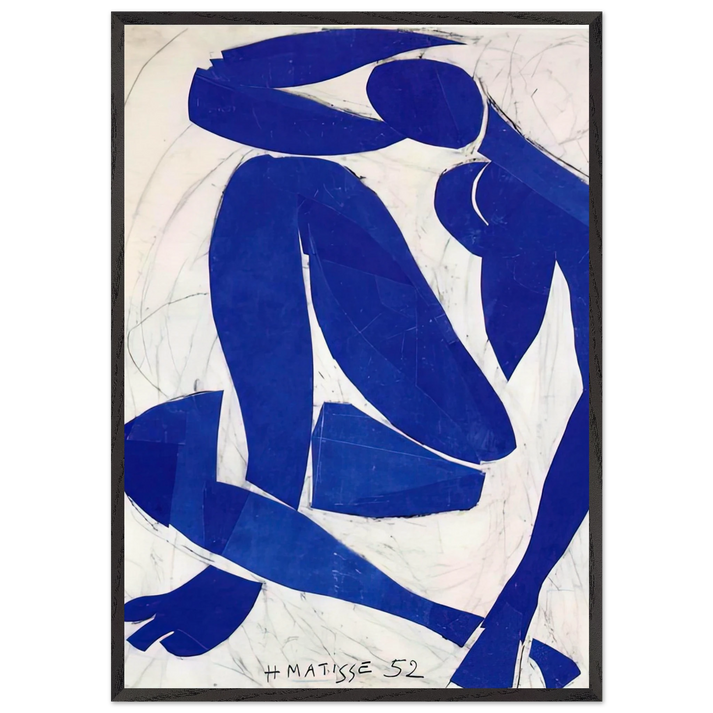
BLUE NUDE IV 1952 - Henri Matisse 70x100 cm / 28x40 inches Framed Art Print – Black Wooden Frame
BLUE NUDE IV 1952 - Henri Matisse 70x100 cm / 28x40 inches Framed Art Print – Black Wooden Frame
Couldn't load pickup availability
The Culmination of Matisse’s Genius: Blue Nude IV (1952)
In the final years of his life, Henri Matisse achieved a revolutionary synthesis of form and color through his legendary 'cut-outs.' Blue Nude IV, created in 1952, represents the pinnacle of this era. By 'cutting directly into color,' Matisse eliminated the conflict between line and shade, resulting in a composition that is both strikingly modern and timelessly elegant. This 70x100 cm framed art print captures the dynamic movement and sculptural weight of the original masterpiece, making it a sophisticated focal point for any contemporary interior.
Museum-Quality Craftsmanship by RedKalion
At RedKalion, we treat every reproduction as a work of art in its own right. This archival-grade museum-quality print is rendered on premium 250 gsm (110 lb) paper, featuring a matte, natural white finish that ensures deep, light-fast pigments without the glare of coated alternatives. The 11.4-mil thickness provides the structural integrity required for a true fine art exhibition piece.
Premium Framing and Sustainability
Your Matisse masterpiece arrives encased in a professional black wooden frame, meticulously crafted from responsibly sourced oak and ash. With a robust profile of 20mm (0.79") in both depth and width, our frames offer a more substantial, premium presence than standard 14mm gallery frames. To ensure longevity and safety, we use shatterproof plexiglass to protect the vibrant ultramarine hues from environmental damage.
- Artist: Henri Matisse (1952)
- Paper: 250 gsm archival, FSC-certified matte paper
- Frame: Sustainable oak/ash wood, 20mm profile
- Protection: UV-resistant shatterproof plexiglass
- Installation: Ready-to-hang with included hardware
Elevate your space with a legacy piece that marries historical significance with the highest standards of modern print technology.

Discover Unlimited Art Possibilities
At RedKalion, you can find virtually any artwork from any artist, available in a wide range of sizes to perfectly match your space.
If you didn’t find what you’re looking for, contact us at support@redkalion.com . We will source any artwork and produce it in any size and format you need, including art prints, posters, canvas, framed pieces, framed canvas, and more.
For dedicated art enthusiasts, we also offer handcrafted replicas of any artwork, carefully painted by highly skilled artists using traditional techniques.
For custom requests, contact us at support@redkalion.com .
What makes the RedKalion Blue Nude IV print museum-quality?
Our Matisse prints use 250 gsm archival-grade, natural white paper. This acid-free material prevents yellowing, ensuring your fine art reproduction maintains its vibrant blue hues and structural integrity for decades.
How is the 20mm frame different from standard frames?
Most retailers use thin 14mm frames. RedKalion uses a 20mm (0.79") thick and wide frame made from solid oak or ash, providing a more luxurious, gallery-standard aesthetic and superior durability.
Is the paper used for this Matisse print sustainable?
Yes. We exclusively use FSC-certified paper or equivalent sustainable materials. This ensures that your Henri Matisse art print is produced with the highest regard for environmental and social responsibility.
How does the shatterproof plexiglass compare to standard glass?
Our high-grade plexiglass offers superior clarity and UV protection while being significantly more durable than standard glass. It ensures your artwork arrives safely and remains protected in high-traffic environments.
Will the colors of this 1952 reproduction fade over time?
No. By utilizing archival-grade pigments on uncoated 250 gsm paper, our prints are designed for longevity. The matte finish absorbs light rather than reflecting it, preserving the depth of the iconic Matisse blue.
What was Matisse's 'cut-out' technique used in Blue Nude IV?
Matisse called it 'drawing with scissors.' He would cut shapes from pre-painted gouache sheets, allowing him to sculpt color in a way that combined the disciplines of drawing, painting, and sculpture.
Why did Matisse choose this specific shade of blue for the series?
The ultramarine blue symbolized the Mediterranean sky and sea, but also represented a 'pure' color that could convey space and volume without the need for traditional shading or perspective.