

RedKalion
BLUE POT AND LEMON 1897 - Henri Matisse Brushed Aluminum Print - 70x100 cm / 28x40 inches | Henri Matisse Aluminum Print | Henri Matisse Prints
BLUE POT AND LEMON 1897 - Henri Matisse Brushed Aluminum Print - 70x100 cm / 28x40 inches | Henri Matisse Aluminum Print | Henri Matisse Prints
Couldn't load pickup availability
Elevate Your Space with Henri Matisse’s Early Masterpiece
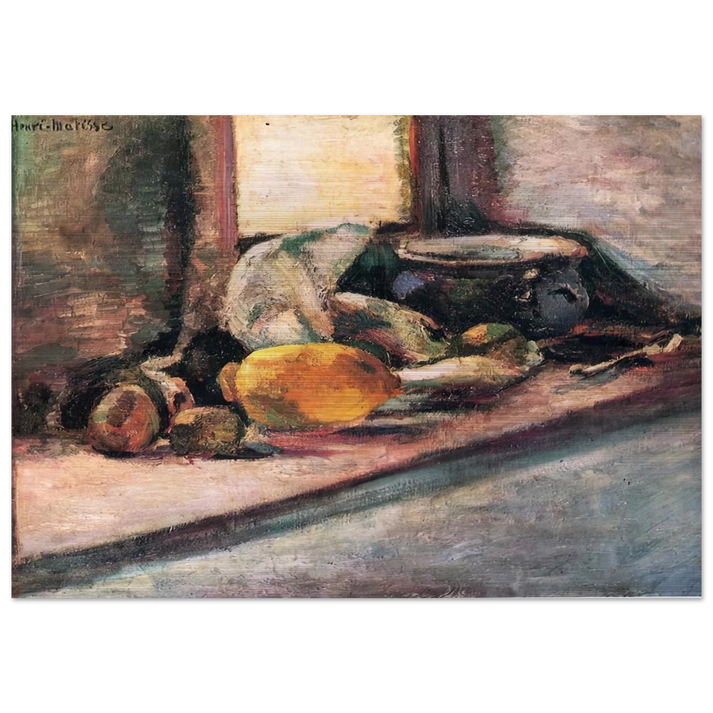
Experience the dawn of a modern master with Blue Pot and Lemon (1897), a seminal still life by Henri Matisse. Created during a transformative period in Matisse's career, this work captures a delicate balance between academic tradition and the burgeoning light-play of Post-Impressionism. At RedKalion, we have reimagined this historical treasure as a museum-quality reproduction, meticulously crafted to endure for generations.
The Intersection of History and Modern Medium
In 1897, Matisse was refining his understanding of color and composition. Blue Pot and Lemon serves as a quiet study of contrast; the cool, deep blues of the vessel provide a sophisticated anchor for the vibrant, luminous yellow of the citrus. This Henri Matisse aluminum print utilizes the unique properties of brushed silver Aluminum DIBOND® to enhance these tonal relationships. The 3mm (0.12") rigid base features a horizontal grain that adds a dynamic, metallic shimmer to the unprinted white areas, breathing new life into Matisse's 19th-century brushwork.
Archival Craftsmanship by RedKalion
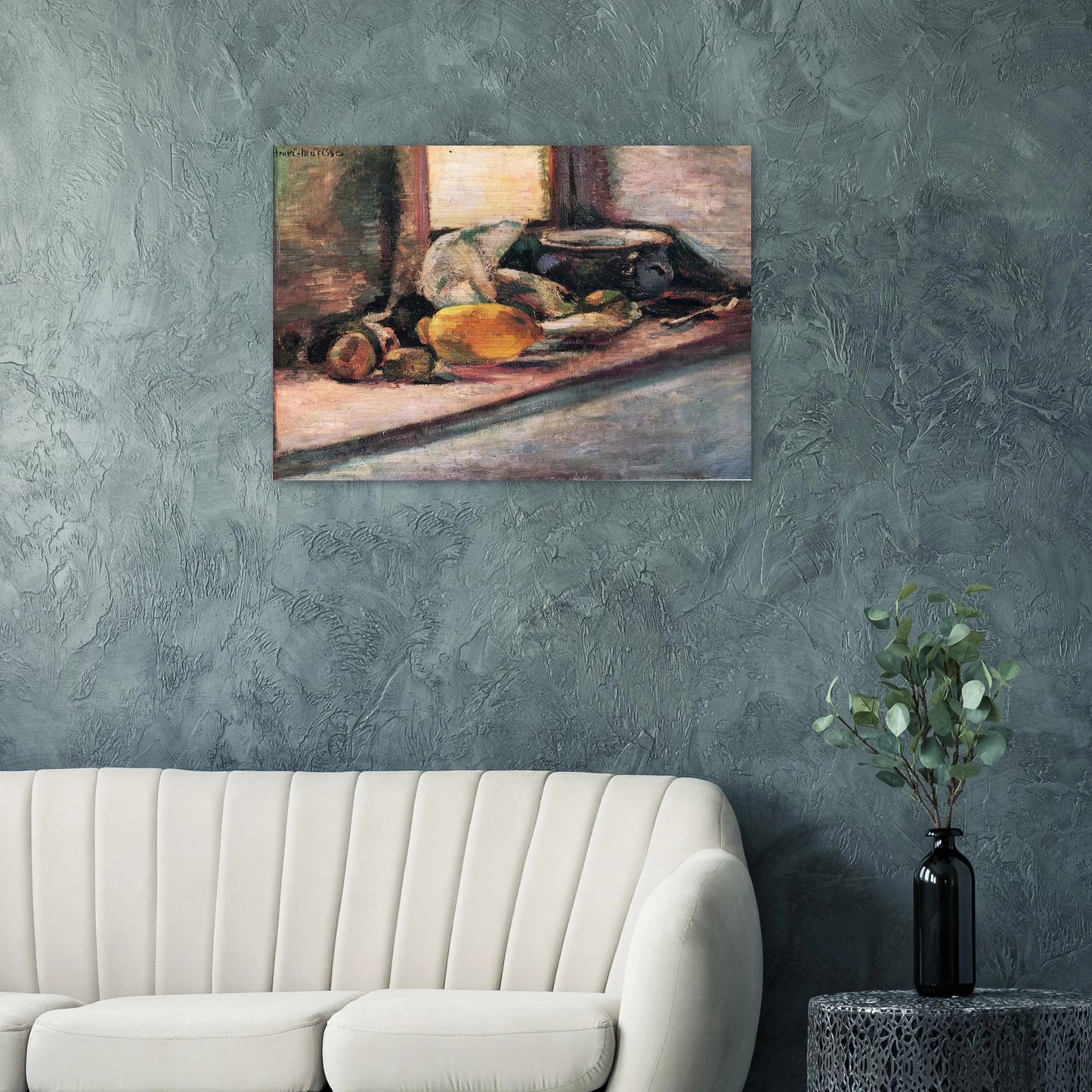
RedKalion is the definitive curator for those seeking archival-grade reproductions. Our printing process involves direct application onto the AluDibond surface, resulting in a matte, glare-free finish that is ideal for sophisticated interiors. This ensures that the intricate textures and subtle shadows of the original oil painting are preserved without distracting reflections. This 70x100 cm (28x40 inches) piece is not merely a print; it is a durable, rigid masterpiece that marries the heritage of fine art with the resilience of modern materials.
- Material: 3mm Brushed silver Aluminum DIBOND® for a premium, metallic aesthetic.
- Finish: Matte and glare-free, highlighting the depth of Matisse's palette.
- Durability: Highly rigid and archival, designed to resist the passage of time.
- Ready to Display: Includes a premium hanging kit tailored to your region.
By choosing a RedKalion print, you are investing in an archival piece that honors the legacy of Henri Matisse while utilizing the finest contemporary printing technology available today.


Discover Unlimited Art Possibilities
At RedKalion, you can find virtually any artwork from any artist, available in a wide range of sizes to perfectly match your space.
If you didn’t find what you’re looking for, contact us at support@redkalion.com . We will source any artwork and produce it in any size and format you need, including art prints, posters, canvas, framed pieces, framed canvas, and more.
For dedicated art enthusiasts, we also offer handcrafted replicas of any artwork, carefully painted by highly skilled artists using traditional techniques.
For custom requests, contact us at support@redkalion.com .
What are the physical dimensions and material of this Matisse print?
This Henri Matisse print measures 70x100 cm (28x40 inches) and is crafted on 3mm brushed silver Aluminum DIBOND®, providing a durable and sophisticated metallic finish.
How does the brushed aluminum finish enhance the artwork?
The horizontal grain of the brushed silver effect adds a dynamic shimmer to light-colored areas, creating a unique depth that complements Matisse's use of light and shadow.
What is the shipping process for RedKalion fine art prints?
RedKalion utilizes global fulfillment centers to ensure your museum-quality reproduction is shipped efficiently and arrives in perfect condition, with a hanging kit included.
Will this aluminum print fade over time?
No. Our direct-to-Dibond UV printing technology ensures exceptional archival longevity and fade resistance, making it a lasting investment for your private collection.
Is the print ready for immediate hanging?
Yes, every RedKalion aluminum print comes with a region-specific hanging kit, allowing you to elevate your space with this archival masterpiece immediately upon arrival.
What was Henri Matisse exploring in 1897?
In 1897, Matisse was transitioning from academic realism toward Impressionism, focusing on how light interacts with everyday objects like the blue pot and lemon featured here.
Why is a matte finish better for this specific artwork?
A matte, glare-free finish allows the viewer to appreciate the subtle color transitions and textures of Matisse's early work without the distraction of ambient light reflections.