


RedKalion
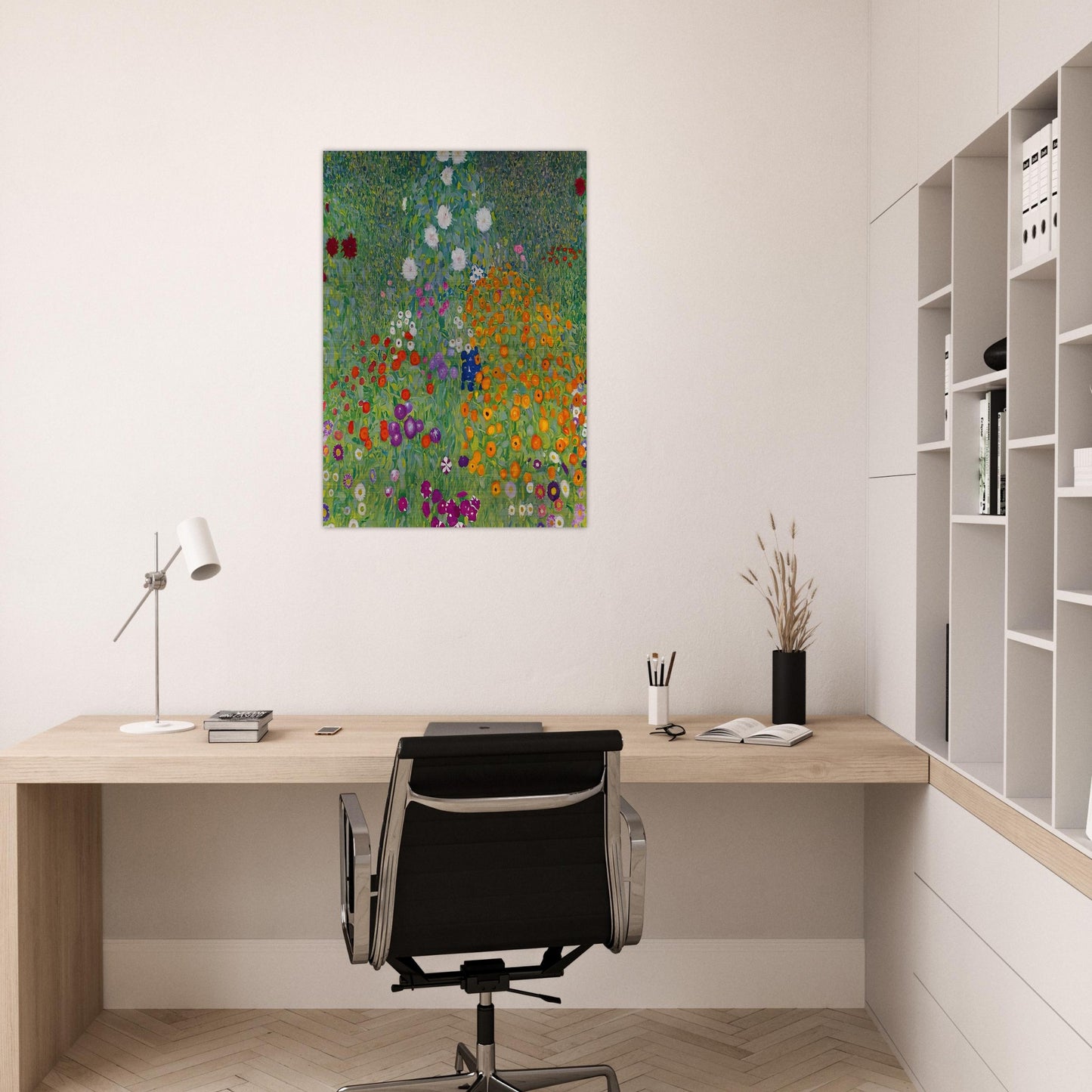
BLUMENGARTEN 1907 - Gustav Klimt Brushed Aluminum Print - 70x100 cm / 28x40 inches | Gustav Klimt Aluminum Print | Gustav Klimt Prints
BLUMENGARTEN 1907 - Gustav Klimt Brushed Aluminum Print - 70x100 cm / 28x40 inches | Gustav Klimt Aluminum Print | Gustav Klimt Prints
Couldn't load pickup availability
Elevate Your Space with Gustav Klimt’s Radiating Masterpiece: Blumengarten (1907)
Experience the botanical opulence of the Vienna Secession with this museum-quality reproduction of Gustav Klimt's Blumengarten (1907). Created during the height of his 'Golden Phase,' this work represents a pivotal moment in art history where Klimt transitioned from figurative symbolism to the exploration of lush, tapestry-like landscapes. Our reproduction captures the vibrant, mosaic-style brushwork that defines Klimt's unique contribution to Art Nouveau.
The RedKalion Distinction: Brushed Aluminum Sophistication
At RedKalion, we believe a masterpiece deserves a contemporary medium that honors its legacy. This Gustav Klimt aluminum print is meticulously rendered on brushed silver Aluminum DIBOND®. This premium 3mm (0.12") material features a horizontal grain that creates a dynamic, light-reflecting surface, bringing a modern shimmer to Klimt’s organic forms. The white areas of the original painting are left unprinted, allowing the natural metallic silver effect of the aluminum to peek through, creating a stunning depth that traditional paper cannot achieve.
Technical Excellence & Archival Quality
Each fine art print is a direct-to-substrate masterpiece, ensuring vivid color saturation and a refined matte finish that eliminates glare. This archival-grade Gustav Klimt print is designed for longevity, providing a rigid, durable base that resists warping. The 70x100 cm (28x40 inches) format provides a commanding presence, perfect for sophisticated interiors seeking a blend of historical depth and industrial elegance.
- Material: 3mm Brushed Aluminum DIBOND® with a metallic silver finish.
- Visual Effect: Matte, glare-free surface with a distinctive horizontal grain.
- Durability: Rigid, lightweight, and engineered for archival longevity.
- Installation: Includes a dedicated hanging kit tailored to your region.
By choosing RedKalion, you are investing in a curated piece of art history. Our museum-quality reproduction transforms Klimt’s 1907 floral vision into a resilient, contemporary artifact that will endure for generations.


Discover Unlimited Art Possibilities
At RedKalion, you can find virtually any artwork from any artist, available in a wide range of sizes to perfectly match your space.
If you didn’t find what you’re looking for, contact us at support@redkalion.com . We will source any artwork and produce it in any size and format you need, including art prints, posters, canvas, framed pieces, framed canvas, and more.
For dedicated art enthusiasts, we also offer handcrafted replicas of any artwork, carefully painted by highly skilled artists using traditional techniques.
For custom requests, contact us at support@redkalion.com .
What defines the print quality of this Blumengarten reproduction?
RedKalion utilizes direct-to-substrate printing on AluDibond, ensuring vivid colors and a glare-free matte finish. This method preserves the intricate details of Klimt’s brushwork while offering a modern, high-end aesthetic.
How does the brushed aluminum finish affect the artwork’s appearance?
The brushed silver aluminum features a horizontal grain. Unprinted white areas reveal a metallic silver effect, giving the artwork a dynamic, light-reactive quality that enhances the mosaic-like texture of Klimt’s 1907 composition.
What are the dimensions and durability of the material?
This print measures 70x100 cm (28x40 inches) and is 3mm (0.12") thick. The Aluminum DIBOND® provides a highly durable, rigid base that ensures the print remains perfectly flat and stable over time.
Is the hanging hardware included with the print?
Yes, every Gustav Klimt aluminum print arrives with a specialized hanging kit included. The specific type of hardware varies depending on the fulfillment country to ensure the safest and most efficient installation.
How does RedKalion ensure the archival longevity of the print?
We use archival-grade materials and UV-resistant inks. The combination of industrial-grade aluminum and advanced printing technology ensures the colors remain vibrant and the material remains intact for decades.
What is the significance of the year 1907 in Klimt's career?
1907 was the pinnacle of Klimt’s 'Golden Phase.' During this time, he perfected his 'horror vacui' style—filling every inch of the canvas with intricate, mosaic-like floral patterns, as seen in Blumengarten.
Why did Klimt choose the square format for his landscapes?
Klimt utilized the square format to break away from traditional perspective. This choice emphasizes the decorative, two-dimensional quality of the garden, turning the landscape into a meditative, structural tapestry of color.