RedKalion
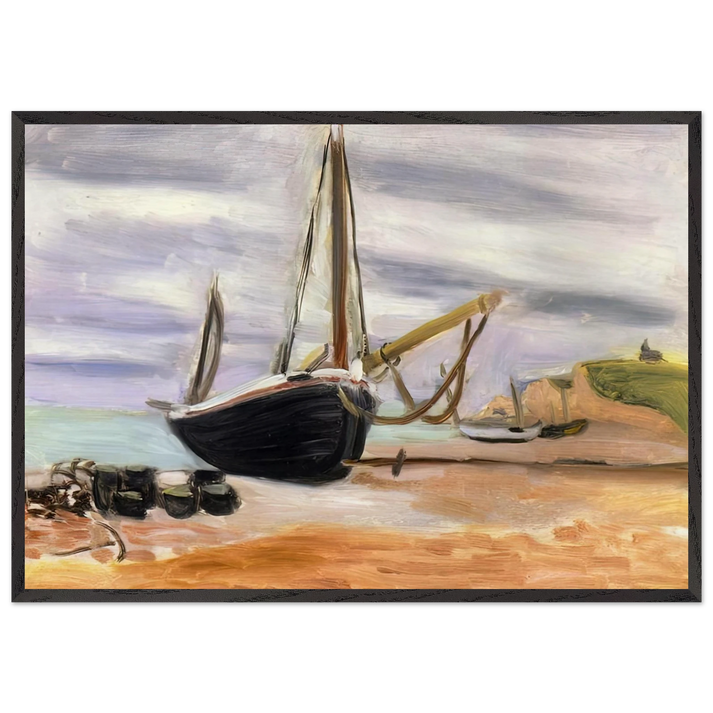
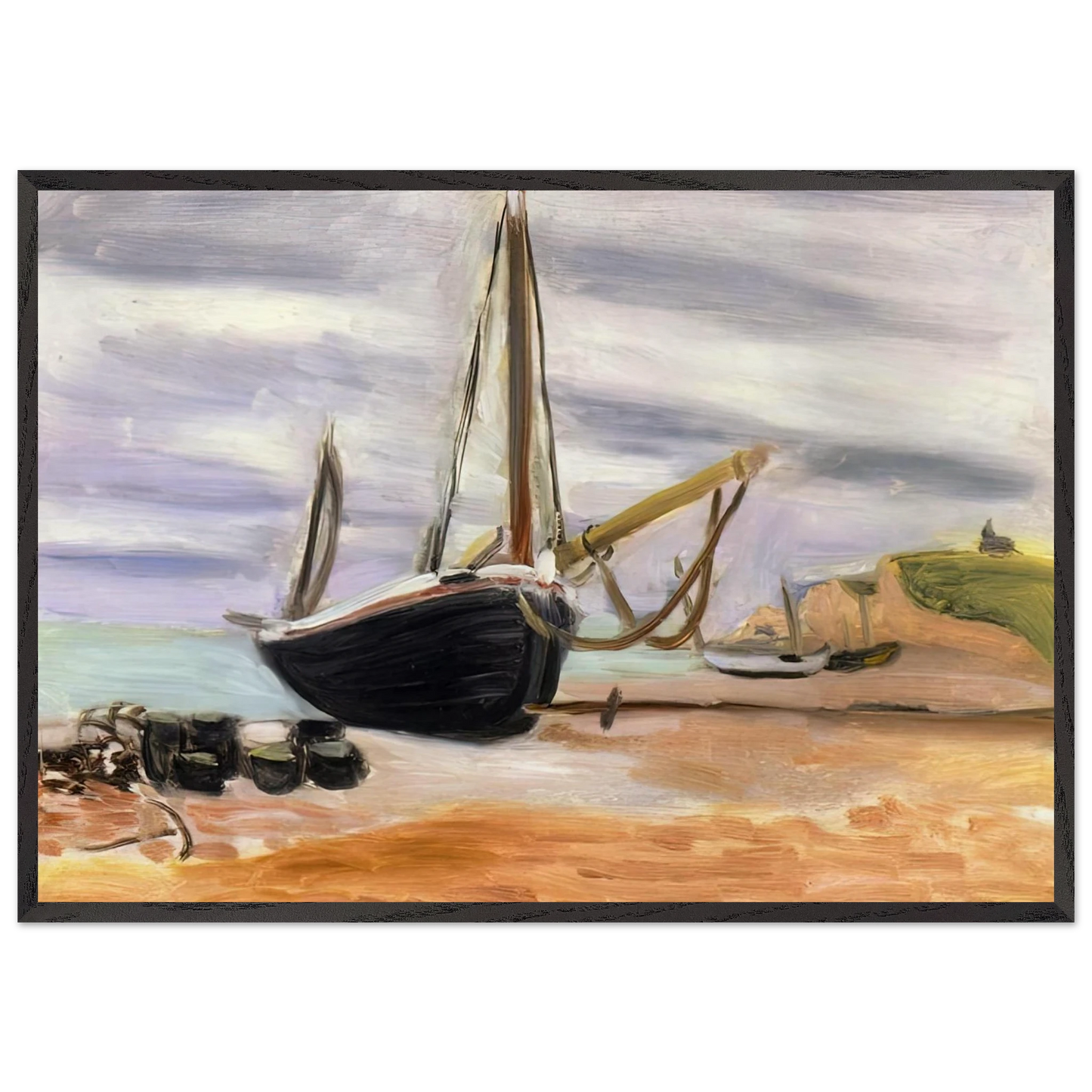
BOATS AT ETRETAT 1920 - Henri Matisse 70x100 cm / 28x40 inches Framed Art Print – Black Wooden Frame
BOATS AT ETRETAT 1920 - Henri Matisse 70x100 cm / 28x40 inches Framed Art Print – Black Wooden Frame
Couldn't load pickup availability
Capture the Serenity of Normandy with Henri Matisse’s 'Boats at Étretat'
Experience a pivotal moment in modern art history with this museum-quality reproduction of Henri Matisse’s 'Boats at Étretat' (1920). During his stay on the Alabaster Coast, Matisse transitioned from the bold, aggressive colors of his earlier Fauvist period toward a more rhythmic and atmospheric naturalism. This piece perfectly captures the unique light of the Normandy coast, using fluid lines and a sophisticated palette to depict the grounded fishing boats against the pebble shore.
Museum-Grade Quality for the Discerning Collector
At RedKalion, we believe fine art deserves the highest standards of preservation. This Matisse fine art print is meticulously rendered on 250 gsm (110 lb) archival museum-quality paper. This heavy-weight, natural white, uncoated paper ensures that the subtle tonal shifts and delicate textures of Matisse’s brushwork are preserved with stunning clarity and depth. The matte finish eliminates glare, allowing the viewer to appreciate the composition from any angle.
Exceptional Craftsmanship and Sustainability
Your 70x100 cm (28x40 inches) masterpiece arrives in a premium black wooden frame, crafted from responsibly sourced oak and ash. Distinguished by a substantial 20mm (0.79") profile, our frames provide a more robust and elegant presence than standard thin gallery frames. To ensure longevity, the print is protected by shatterproof plexiglass, providing crystal-clear visibility while guarding against environmental damage. This ready-to-hang archival piece is an investment in both style and sustainability, utilizing FSC-certified materials to support global forestry efforts.
- Artist: Henri Matisse, 1920
- Frame: 20mm premium black oak/ash wood
- Paper: 250 gsm archival natural white
- Protection: Transparent, shatterproof plexiglass
- Installation: Includes hanging kit; ready to hang directly on your wall
Discover Unlimited Art Possibilities
At RedKalion, you can find virtually any artwork from any artist, available in a wide range of sizes to perfectly match your space.
If you didn’t find what you’re looking for, contact us at support@redkalion.com . We will source any artwork and produce it in any size and format you need, including art prints, posters, canvas, framed pieces, framed canvas, and more.
For dedicated art enthusiasts, we also offer handcrafted replicas of any artwork, carefully painted by highly skilled artists using traditional techniques.
For custom requests, contact us at support@redkalion.com .
What are the specifications of the paper used for this Matisse print?
We use 250 gsm (110 lb) archival-grade, museum-quality paper. It is natural white, uncoated, and matte-finished to ensure long-lasting color vibrancy without glare, meeting the highest standards for fine art reproduction.
What makes the RedKalion frame superior to standard options?
Our frames are 20mm (0.79") thick and wide, providing a sturdier and more premium aesthetic than common 14mm frames. They are crafted from solid black-stained oak and ash wood for a sophisticated look.
Is the artwork protected from damage during shipping and display?
Yes, we use shatterproof plexiglass to protect the print from dust and UV light. For shipping, we use specialized protective packaging to ensure your framed art print arrives in pristine condition.
How easy is it to hang this 70x100 cm framed print?
Your order arrives ready-to-hang. We include a professional hanging kit, allowing you to easily and securely mount your 28x40 inch Matisse print directly onto your wall upon arrival.
Is this product environmentally friendly?
RedKalion is committed to sustainability. We use FSC-certified wood for our frames and paper (or equivalent certifications), ensuring that your art purchase supports responsible forest management.
What is the significance of the year 1920 in Matisse's career?
1920 marked a shift where Matisse moved toward a more realistic and atmospheric style in Étretat, blending his earlier Fauvist color theories with a newfound focus on the rhythm of nature.
Why did Matisse choose the boats at Étretat as a subject?
Matisse was fascinated by the geometric structure of the fishing boats and how they interacted with the famous cliffs of Étretat, a location previously celebrated by Impressionist masters.