RedKalion
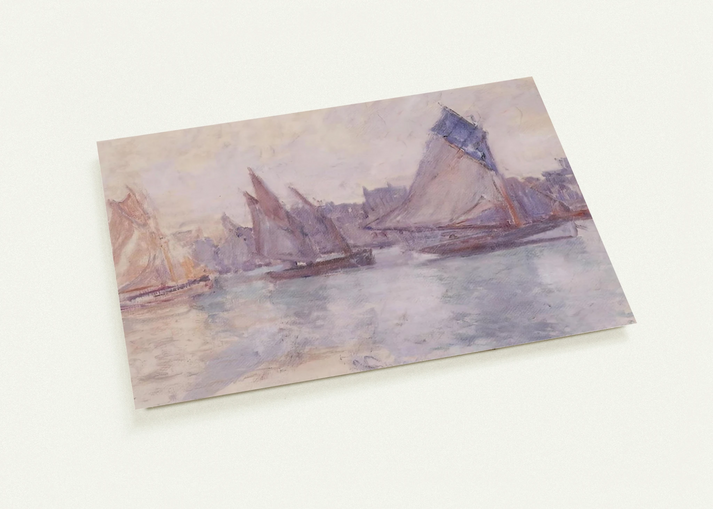
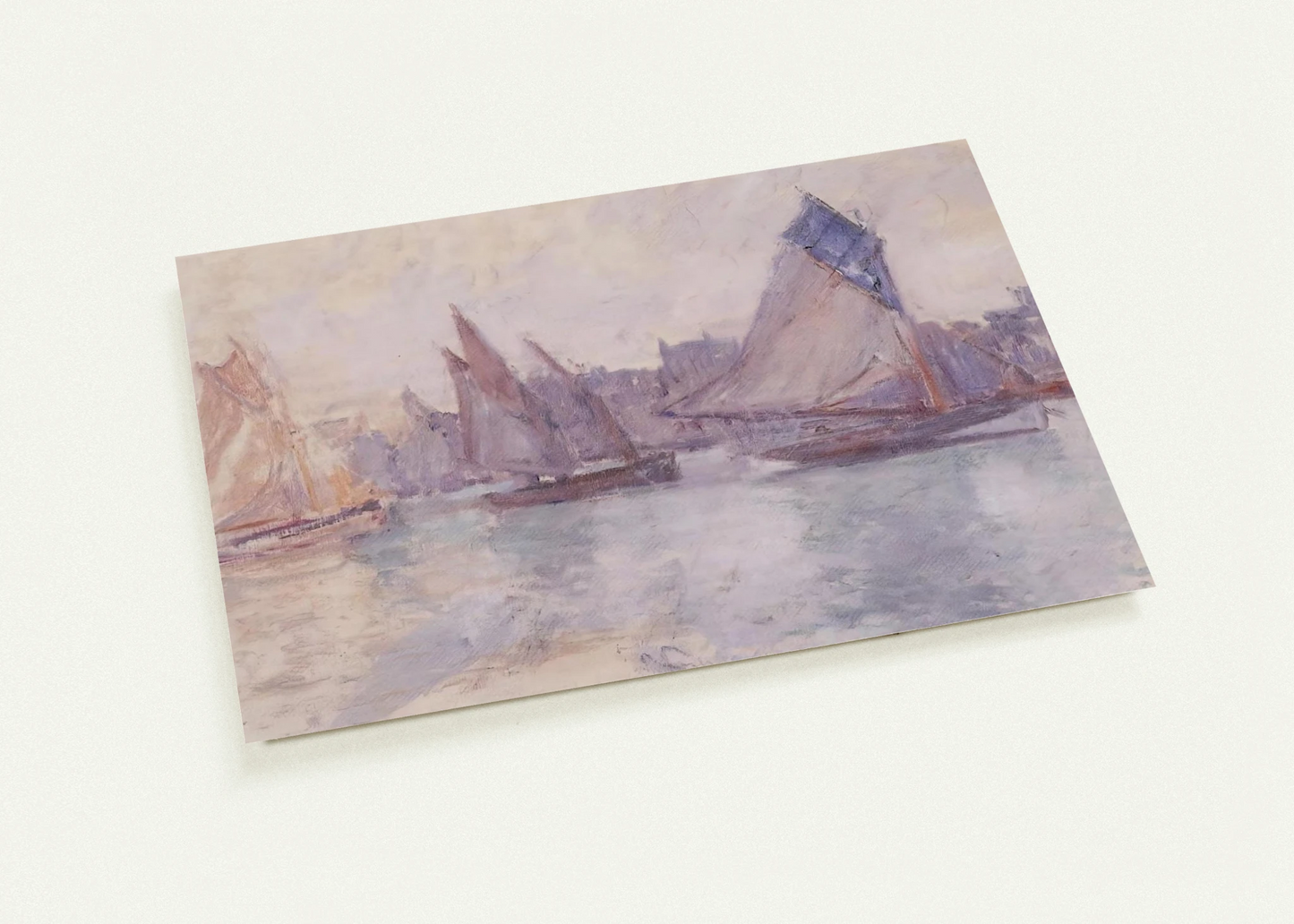
Boats in the Port of Le Havre By claude monet Pack of 10 Post Cards | claude monet Post Cards | A6 (10.5 x 14.8 cm) - 4.1 x 5.8 inches
Boats in the Port of Le Havre By claude monet Pack of 10 Post Cards | claude monet Post Cards | A6 (10.5 x 14.8 cm) - 4.1 x 5.8 inches
Couldn't load pickup availability
Bring Home a Masterpiece: Boats in the Port of Le Havre by Claude Monet
Claude Monet’s Boats in the Port of Le Havre captures the atmospheric essence of the French coast, where light and water dance in a delicate balance of color. This exclusive pack of 10 postcards from RedKalion allows you to share or display the fleeting beauty of Impressionism in a versatile A6 format. Painted during the early 1870s, this work reflects Monet’s fascination with the industrial maritime landscape of his childhood home, utilizing loose brushwork and a subtle palette to evoke the misty morning air of the English Channel.
Museum-Quality Reproductions for the Modern Collector
At RedKalion, we bridge the gap between historic artistry and contemporary craftsmanship. Unlike standard 4-color inkjet reproductions, our postcards are produced using a sophisticated 12-color fine art printing technology. This process ensures unparalleled color vibrancy and depth, capturing every nuanced stroke of Monet’s maritime scene. Each card is printed on premium 200 gsm (80 lb) FSC-certified paper, offering a substantial feel and a smooth matte finish that eliminates glare, making them perfect for framing or sending as a thoughtful sentiment.
- Artist: Claude Monet
- Title: Boats in the Port of Le Havre
- Quantity: Pack of 10 flat postcards
- Dimensions: A6 (10.5 x 14.8 cm / 4.1 x 5.8 inches)
- Material: 0.26 mm (10.3 mils) archival-grade paper
- Eco-Conscious: Environmentally friendly, FSC-certified materials
Elevate your correspondence or curate a miniature gallery within your home with an archival masterpiece that endures. These postcards represent RedKalion’s commitment to preserving the integrity of fine art for a new generation of admirers.
Discover Unlimited Art Possibilities
At RedKalion, you can find virtually any artwork from any artist, available in a wide range of sizes to perfectly match your space.
If you didn’t find what you’re looking for, contact us at support@redkalion.com . We will source any artwork and produce it in any size and format you need, including art prints, posters, canvas, framed pieces, framed canvas, and more.
For dedicated art enthusiasts, we also offer handcrafted replicas of any artwork, carefully painted by highly skilled artists using traditional techniques.
For custom requests, contact us at support@redkalion.com .
What kind of paper is used for these Monet postcards?
We use 200 gsm (80 lb) FSC-certified paper with a thickness of 0.26 mm. This ensures a premium, sturdy feel and long-lasting durability for your fine art prints.
What makes the color quality of these Le Havre prints unique?
RedKalion utilizes 12-color fine art printing technology, which provides significantly more vivid and accurate color depth than standard 4-color inkjet printers used for typical postcards.
Are these Claude Monet art cards eco-friendly?
Yes, all our postcards are printed on demand to reduce waste and utilize FSC-certified paper, ensuring an environmentally conscious product that supports sustainable forestry.
How are my postcards produced and shipped?
Each set is printed on demand with no minimum order requirements. This bespoke approach ensures the highest quality control before being carefully packaged and shipped to your door.
Will these art prints fade over time?
Our archival-grade materials and 12-color printing process are designed for longevity. The smooth matte finish provides a protective, glare-free layer that preserves the artwork's integrity for years.
What is the significance of 'Boats in the Port of Le Havre' in Monet's career?
This work is pivotal in the development of Impressionism, showcasing Monet's early mastery of capturing transient light and atmospheric effects in a bustling maritime setting.
Why did Monet choose Le Havre as a frequent subject?
Monet grew up in Le Havre, and its unique coastal atmosphere and changing weather conditions provided the perfect laboratory for his revolutionary 'en plein air' painting techniques.