RedKalion
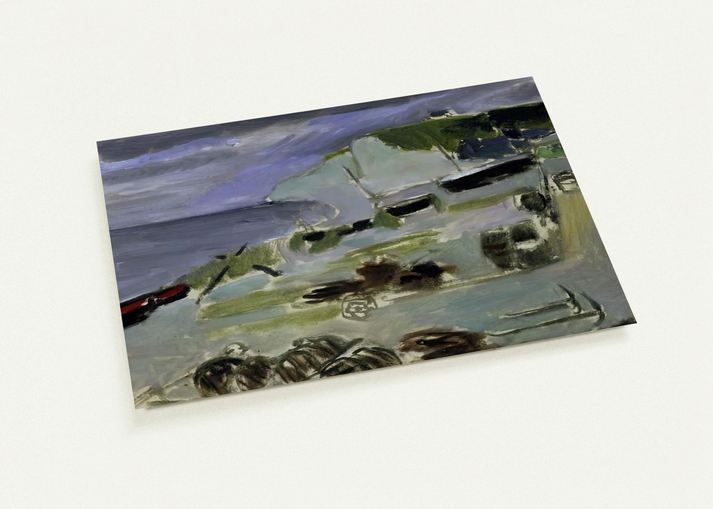
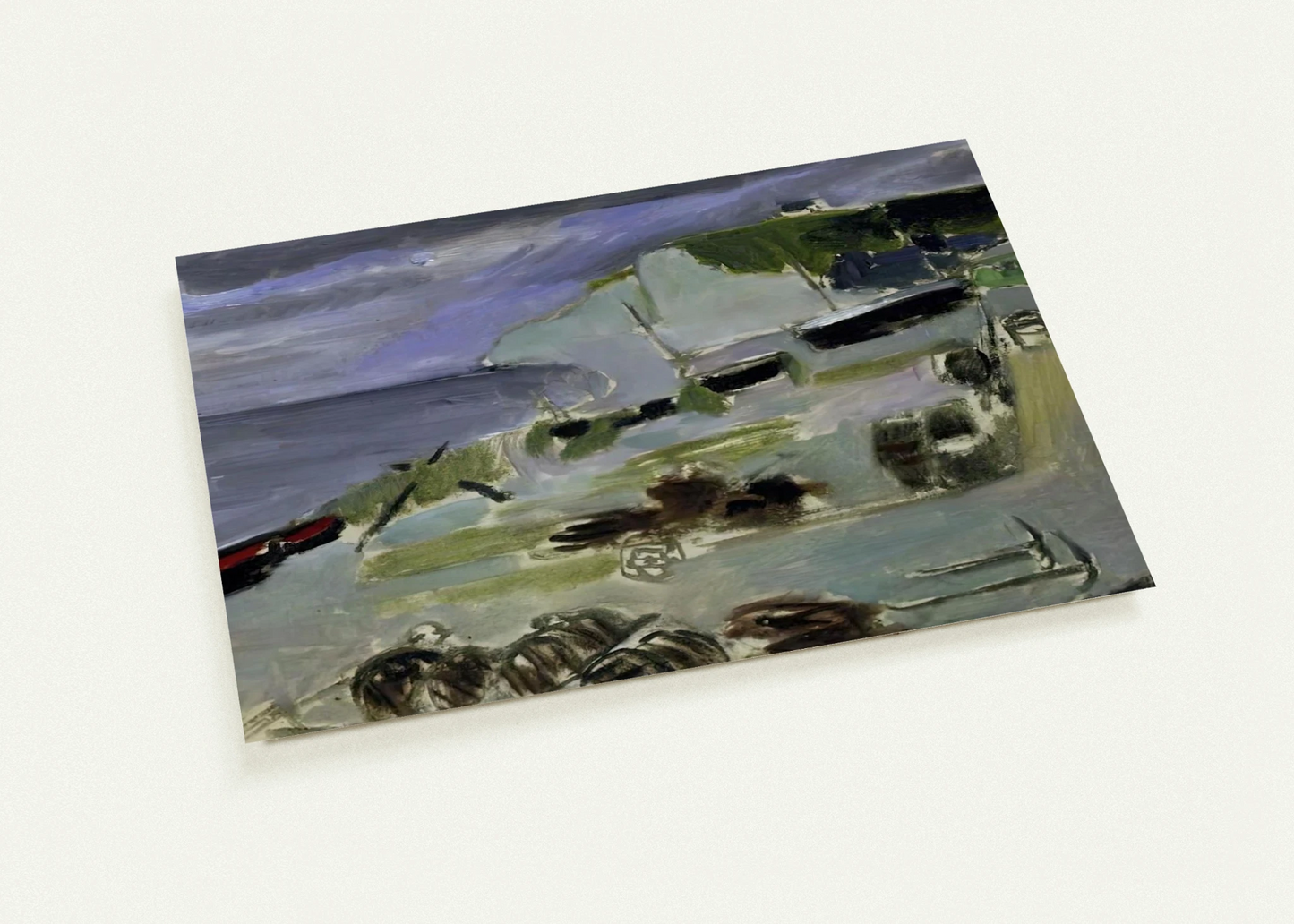
BOATS ON THE BEACH ETRETAT 1920 By Henri Matisse Pack of 10 Post Cards | Henri Matisse Post Cards | A6 (10.5 x 14.8 cm) - 4.1 x 5.8 inches
BOATS ON THE BEACH ETRETAT 1920 By Henri Matisse Pack of 10 Post Cards | Henri Matisse Post Cards | A6 (10.5 x 14.8 cm) - 4.1 x 5.8 inches
Couldn't load pickup availability
Elevate Your Correspondence with Henri Matisse’s 'Boats on the Beach, Étretat 1920'
In the summer of 1920, Henri Matisse arrived at the pebble-strewn shores of Étretat, a location famously immortalized by Impressionist masters. However, Matisse approached the scene with his singular vision, moving beyond mere observation to capture the rhythmic harmony between the sturdy fishing vessels and the expansive Atlantic light. This pack of 10 museum-quality postcards from RedKalion allows you to share a piece of art history that radiates with the calm, structured beauty of Matisse’s early 20th-century mastery.
The RedKalion Archival Standard
At RedKalion, we believe that fine art deserves to be experienced in its most authentic form. These postcards are not mere stationery; they are sophisticated fine art prints. Utilizing an advanced 12-color fine art printing technology, we achieve a color vibrancy and depth that traditional 4-color inkjet processes simply cannot replicate. Every nuance of Matisse’s palette—from the cool greys of the beach to the subtle ochres of the boats—is rendered with breathtaking accuracy.
Exquisite Material Specifications
- Premium Weight: Each card is printed on 200 gsm (80 lb) paper, providing a substantial, luxurious feel at a thickness of 0.26 mm.
- Smooth Matte Finish: A clean, glare-free surface ensures the artwork remains the focal point, offering a tactile experience that is both modern and timeless.
- FSC-Certified: We are committed to sustainability; our paper is environmentally conscious and responsibly sourced.
- Precise Dimensions: A6 format (10.5 x 14.8 cm / 4.1 x 5.8 inches), perfect for personal notes or elegant wall displays.
Whether used for sophisticated correspondence or as a curated set of miniature prints for your home, these Henri Matisse postcards represent an investment in enduring quality and artistic heritage. Experience the difference of a print curated by specialists who value the integrity of the original masterpiece.
Discover Unlimited Art Possibilities
At RedKalion, you can find virtually any artwork from any artist, available in a wide range of sizes to perfectly match your space.
If you didn’t find what you’re looking for, contact us at support@redkalion.com . We will source any artwork and produce it in any size and format you need, including art prints, posters, canvas, framed pieces, framed canvas, and more.
For dedicated art enthusiasts, we also offer handcrafted replicas of any artwork, carefully painted by highly skilled artists using traditional techniques.
For custom requests, contact us at support@redkalion.com .
What makes these Henri Matisse post cards museum-quality?
We use 12-color fine art printing technology, which captures significantly more depth and color accuracy than standard 4-color printing, ensuring a reproduction that stays true to Matisse’s original 1920 vision.
What are the physical dimensions and paper weight?
Each post card is A6 size (10.5 x 14.8 cm / 4.1 x 5.8 inches). They are printed on heavy 200 gsm (80 lb) paper for a premium, durable feel.
Is the paper environmentally sustainable?
Yes, all our Matisse post cards are printed on FSC-certified paper, ensuring that your appreciation for art aligns with environmentally responsible forestry practices.
How does the matte finish affect the artwork?
The smooth matte finish provides a glare-free viewing experience, allowing the sophisticated colors of 'Boats on the Beach' to be seen clearly from any angle without distracting reflections.
How long will these prints last without fading?
By using archival-grade materials and premium pigments, our prints are designed to resist fading for decades, ensuring your collection remains a vibrant tribute to Matisse’s legacy.
What was Matisse's focus in 'Boats on the Beach, Étretat 1920'?
Matisse focused on the rhythmic arrangement of the boats against the shore, exploring the interplay of natural light and simplified geometric forms during his significant stay in Étretat.
Is Étretat a recurring theme in Matisse's work?
Yes, Matisse spent several months in Étretat between 1920 and 1921. This period was crucial for his transition toward a more naturalistic yet vibrant style of landscape painting.