RedKalion
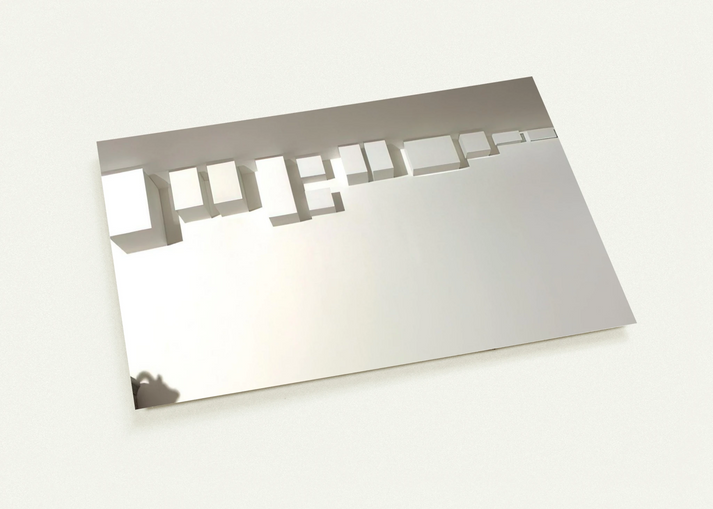
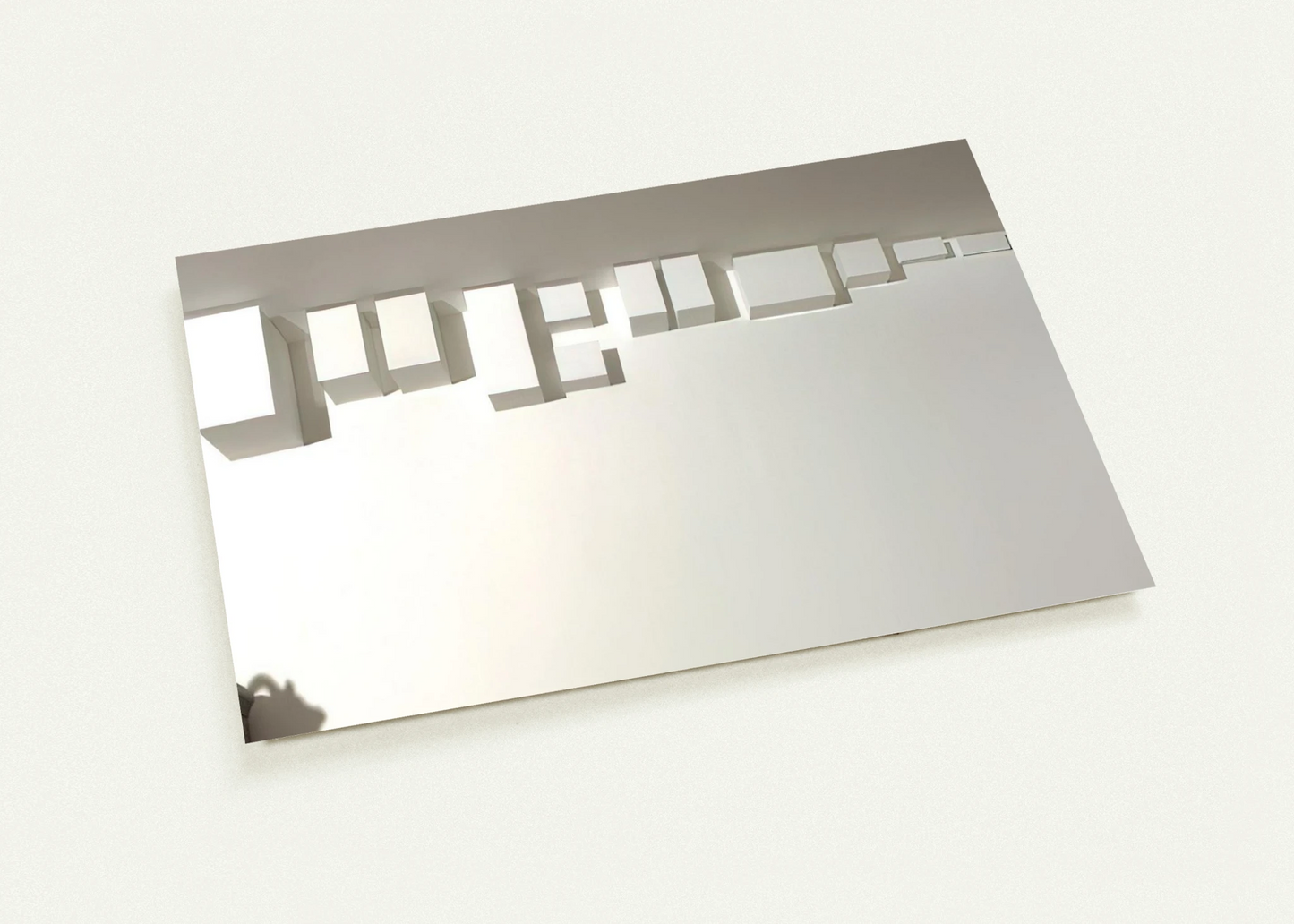
Book of the Clouds - 1983 By Lygia Pape Pack of 10 Post Cards | Lygia Pape Post Cards | A6 (10.5 x 14.8 cm) - 4.1 x 5.8 inches
Book of the Clouds - 1983 By Lygia Pape Pack of 10 Post Cards | Lygia Pape Post Cards | A6 (10.5 x 14.8 cm) - 4.1 x 5.8 inches
Couldn't load pickup availability
Elevate Your Correspondence with Lygia Pape’s Poetic Abstraction
Experience the ethereal beauty of Brazilian Neo-Concrete pioneer Lygia Pape with this exclusive pack of 10 postcards featuring Book of the Clouds (Livro das Nuvens, 1983). This series represents a pivotal moment in Pape’s career, where geometric rigidity gives way to a fluid, atmospheric exploration of space and light. As an elite curator of fine art, RedKalion is proud to present these museum-quality reproductions that capture the subtle nuances of Pape’s original vision.
Museum-Grade Quality in Every Detail
Each A6 postcard is a testament to technical excellence. Utilizing advanced 12-color fine art printing technology, we achieve a depth of color and precision that traditional inkjet methods simply cannot replicate. The smooth matte finish eliminates glare, allowing the delicate textures and minimalist compositions of the 1983 masterpiece to resonate with clarity.
- Artist: Lygia Pape (1927–2004), a central figure in Brazil's Neo-Concrete movement.
- Material: Heavyweight 200 gsm (80 lb) FSC-certified paper for a premium, archival feel.
- Sustainability: Printed on demand using eco-friendly materials, minimizing waste without compromising on quality.
- Versatility: Perfect for sophisticated correspondence, minimalist wall decor, or as a curated gift for collectors of Latin American abstraction.
By choosing this collection, you are not merely purchasing stationery; you are acquiring a meticulously crafted tribute to one of the 20th century's most influential artists. RedKalion ensures that every print serves as an enduring archival masterpiece, bringing the sanctuary of the gallery into your hands.
Discover Unlimited Art Possibilities
At RedKalion, you can find virtually any artwork from any artist, available in a wide range of sizes to perfectly match your space.
If you didn’t find what you’re looking for, contact us at support@redkalion.com . We will source any artwork and produce it in any size and format you need, including art prints, posters, canvas, framed pieces, framed canvas, and more.
For dedicated art enthusiasts, we also offer handcrafted replicas of any artwork, carefully painted by highly skilled artists using traditional techniques.
For custom requests, contact us at support@redkalion.com .
What makes the printing quality of these Lygia Pape postcards unique?
We use 12-color fine art printing technology, which offers superior color vibrancy and accuracy compared to standard 4-color processes. This ensures every nuance of the 1983 'Book of the Clouds' is captured with museum-quality precision.
What are the physical specifications of the paper used?
Each card is printed on 200 gsm (80 lb) paper with a thickness of 0.26 mm. The smooth matte finish provides a clean, glare-free display, ensuring a sophisticated tactile and visual experience.
Is the paper used for these postcards environmentally friendly?
Yes. RedKalion is committed to sustainability. These postcards are printed on FSC-certified paper, ensuring the materials are sourced from responsibly managed forests that provide environmental, social, and economic benefits.
Are these postcards suitable for individual framing?
Absolutely. The archival-grade paper and 12-color vibrancy make these A6 (10.5 x 14.8 cm) prints ideal for small frames, allowing you to create a modular art installation in any space.
How does RedKalion handle shipping and production for these sets?
To ensure quality and reduce waste, each pack is printed on demand. There are no minimum orders, and we ship your archival prints in protective packaging to ensure they arrive in pristine condition.
What is the historical significance of 'Book of the Clouds' (1983)?
This work reflects Lygia Pape's transition into more organic, poetic abstraction. Moving beyond the strict geometry of early Neo-Concretism, it explores themes of transparency, light, and the ethereal nature of memory and space.
Who was Lygia Pape in the context of Brazilian art history?
Lygia Pape was a founding member of the Neo-Concrete movement in Brazil. Her work revolutionized the relationship between the viewer and the artwork, emphasizing sensory experience and the liberation of the art object from static forms.