


RedKalion
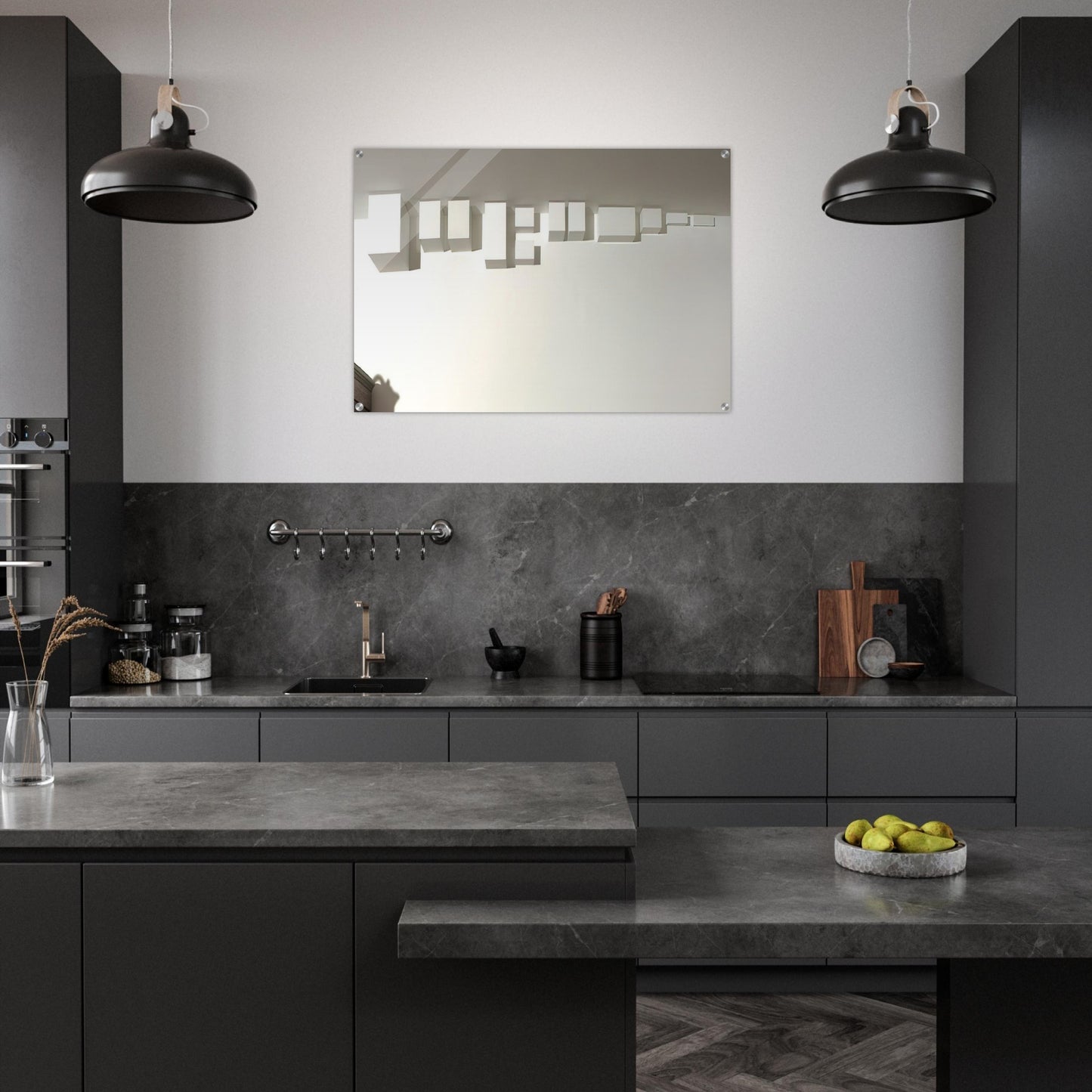
Book of the Clouds - 1983 - Lygia Pape Acrylic Print - 70x100 cm / 28x40″ inches
Book of the Clouds - 1983 - Lygia Pape Acrylic Print - 70x100 cm / 28x40″ inches
Couldn't load pickup availability
Lygia Pape: Book of the Clouds (1983) – A Neo-Concrete Masterpiece
Elevate your interior with a museum-quality reproduction of Lygia Pape’s 'Book of the Clouds' (Livro das Nuvens). A central figure in the Brazilian Neo-Concrete movement, Pape transitioned from the rigid geometry of Concrete art to a more sensorial, organic, and interactive approach. This 1983 work represents a poetic exploration of space and time, capturing the ephemeral nature of perception within a structured, aesthetic frame.
As part of our exclusive collection at RedKalion, this acrylic print is meticulously crafted to preserve the lyrical abstraction and subtle tonal shifts of Pape's original vision. The medium’s inherent depth enhances the conceptual layering of the 'Book' series, inviting viewers to engage with the artwork as a meditative object of fine art.
Archival Quality & Sophisticated Construction
This premium art print is rendered on 4mm (0.15") acrylic, providing a sleek, high-gloss finish that adds vibrancy and modern sophistication to any gallery-style setting. Unlike traditional glazing, acrylic offers superior clarity and durability, ensuring that the intricate details of Pape’s work remain pristine for decades.
- Modern Aesthetics: Features straight-cut corners for a contemporary, architectural silhouette.
- Visual Depth: Any transparent or white elements in the design are backed with a solid white layer to ensure the colors remain saturated and true to the artist's intent.
- Precision Mounting: Includes a dedicated hanging kit with high-grade hardware. Four pre-drilled screw holes (8mm diameter) are positioned 14mm from the edges, utilizing 15mm screw heads for a secure and elegant floating effect.
By choosing this RedKalion archival reproduction, you are investing in a piece of art history that bridges the gap between mid-century avant-garde Brazil and contemporary minimalist luxury.


Discover Unlimited Art Possibilities
At RedKalion, you can find virtually any artwork from any artist, available in a wide range of sizes to perfectly match your space.
If you didn’t find what you’re looking for, contact us at support@redkalion.com . We will source any artwork and produce it in any size and format you need, including art prints, posters, canvas, framed pieces, framed canvas, and more.
For dedicated art enthusiasts, we also offer handcrafted replicas of any artwork, carefully painted by highly skilled artists using traditional techniques.
For custom requests, contact us at support@redkalion.com .
What material is used for the Book of the Clouds print?
We use premium 4mm (0.15") acrylic, which offers a vibrant, durable, and sleek finish, enhancing the depth of Lygia Pape's Neo-Concrete aesthetic.
How is the artwork mounted and hung?
Each print includes a professional hanging kit with screws. Holes are pre-drilled 14mm from the corners, allowing for a secure and sophisticated installation.
Is the acrylic finish durable for long-term display?
Yes, our museum-quality acrylic is shatter-resistant and designed to maintain its clarity and color saturation, ensuring archival-grade longevity for your collection.
How do transparent areas in the artwork appear?
To ensure optimal visual impact and color accuracy, any transparent backgrounds default to a crisp white finish, providing a solid foundation for the composition.
What are the shipping and handling standards?
RedKalion employs rigorous protective packaging to ensure your fine art print arrives in perfect condition, handled with the care expected of high-end gallery reproductions.
What is the significance of Lygia Pape's 'Livro das Nuvens'?
Part of her 'Books' series, this 1983 work explores the transition from physical geometry to poetic, elemental themes like the sky, emphasizing the viewer's sensory experience.
How does the Neo-Concrete movement influence this work?
Neo-Concretism sought to bring subjectivity and expression to geometric abstraction; Pape’s work embodies this by turning rigid shapes into evocative, organic narratives.