

RedKalion
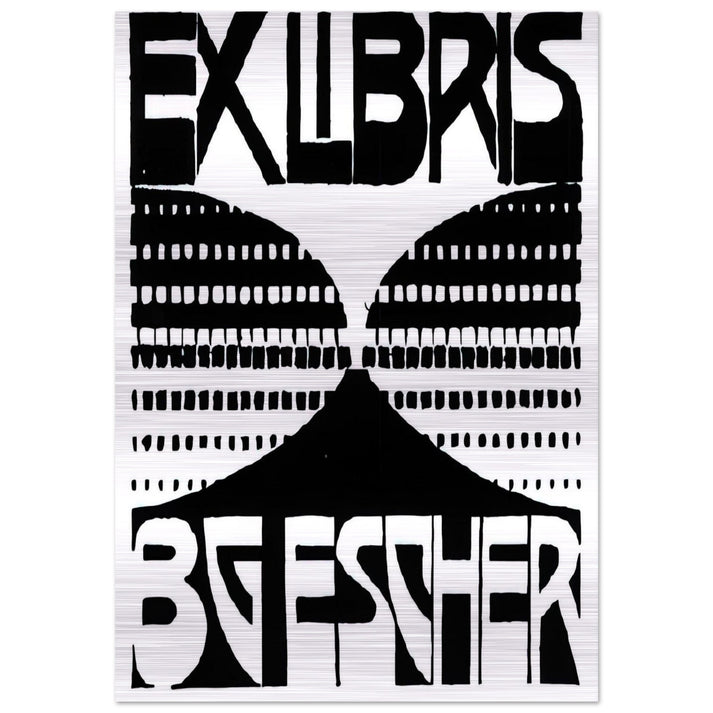
BOOKPLATE B G ESCHER BEER - MC Escher Brushed Aluminum Print - 70x100 cm / 28x40 inches | MC Escher Aluminum Print | MC Escher Prints | Maurits Cornelis Escher Prints
BOOKPLATE B G ESCHER BEER - MC Escher Brushed Aluminum Print - 70x100 cm / 28x40 inches | MC Escher Aluminum Print | MC Escher Prints | Maurits Cornelis Escher Prints
Couldn't load pickup availability
Elevate Your Collection with M.C. Escher’s 'Bookplate B. G. Escher Beer'
Experience the intersection of mathematical precision and graphic mastery with this museum-quality reproduction of Maurits Cornelis Escher’s 'Bookplate B. G. Escher Beer'. Originally designed by the Dutch master of impossible realities, this piece reflects Escher’s early exploration of heraldry and typography, showcasing the disciplined linework that would later define his iconic career. At RedKalion, we have curated this fine art print to honor the legacy of M.C. Escher, offering a sophisticated piece that resonates with collectors of visionary art.
The Sophistication of Brushed Aluminum Dibond®
This premium edition is rendered on brushed silver Aluminum DIBOND®, a medium that transforms a classic design into a contemporary masterpiece. The 3mm (0.12") thick rigid base features a horizontal grain that catches the light, providing a dynamic depth to the composition. The unique metallic silver effect is most striking in the unprinted white areas, where the raw aluminum shines through, perfectly complementing Escher's high-contrast aesthetic.
- Archival Quality: Direct print technology ensures vivid colors and a glare-free, matte finish that preserves every intricate detail.
- Durable Construction: The 3mm aluminum composite is lightweight yet exceptionally rigid, preventing warping over time.
- Industrial Elegance: The metallic finish adds a refined, modern edge to the traditional bookplate motif, making it a focal point in any interior.
A Historical Insight into the Master’s Craft
The 'Bookplate B. G. Escher Beer' represents a fascinating moment in Maurits Cornelis Escher’s history, often linked to his family lineage (B.G. Escher was his half-brother, a noted geologist). Escher’s ability to balance symmetry with narrative intent is evident here. By selecting a brushed aluminum print for this reproduction, the viewer engages in a visual dialogue between the historical woodcut style and 21st-century material science, a synthesis that RedKalion is proud to facilitate for the discerning art enthusiast.


Discover Unlimited Art Possibilities
At RedKalion, you can find virtually any artwork from any artist, available in a wide range of sizes to perfectly match your space.
If you didn’t find what you’re looking for, contact us at support@redkalion.com . We will source any artwork and produce it in any size and format you need, including art prints, posters, canvas, framed pieces, framed canvas, and more.
For dedicated art enthusiasts, we also offer handcrafted replicas of any artwork, carefully painted by highly skilled artists using traditional techniques.
For custom requests, contact us at support@redkalion.com .
What makes the brushed aluminum finish unique for this MC Escher print?
The brushed silver Aluminum DIBOND® features a horizontal grain. In this MC Escher fine art print, unprinted white areas reveal the raw metallic surface, creating a shimmering, silver effect that enhances the graphic nature of the artwork.
How thick and durable is the aluminum base?
Each museum-quality reproduction is printed on a 3mm (0.12") thick aluminum composite panel. This ensures the print is rigid, lightweight, and highly resistant to bending or environmental damage over time.
Is the hanging hardware included with the print?
Yes, every MC Escher aluminum print from RedKalion includes a professional hanging kit. The specific type of kit may vary depending on the fulfillment country to ensure the most secure installation for your space.
What is the archival longevity of an AluDibond® print?
Our direct-to-substrate printing method uses UV-resistant inks on a stable aluminum base. This archival-grade process ensures the colors remain vivid and the matte finish stays glare-free for decades without fading.
How is the artwork protected during shipping?
RedKalion employs specialized, high-durability packaging designed for large-format fine art. Your 70x100 cm aluminum print is securely crated to ensure it arrives in pristine, museum-ready condition.
Who was the intended recipient of the original B. G. Escher Beer bookplate?
The bookplate was designed for Berend George Escher, M.C. Escher's half-brother, who was a professor of geology. This reflects Escher's frequent use of family themes and professional motifs in his early graphic commissions.
What artistic era does this bookplate represent in Escher’s career?
This piece stems from Escher's earlier period, where he focused on woodcuts and traditional graphic design before his transition into the complex 'impossible' architectures and tessellations for which he is globally renowned.