RedKalion
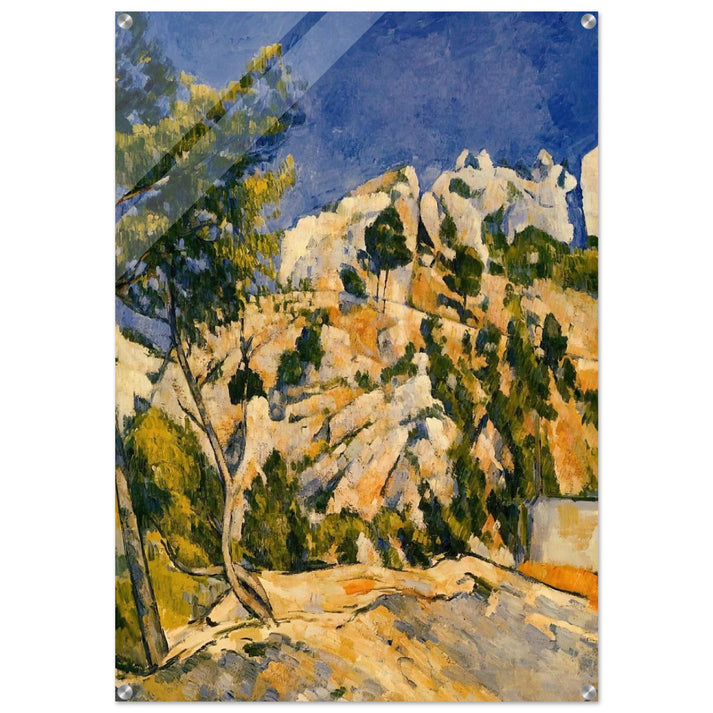
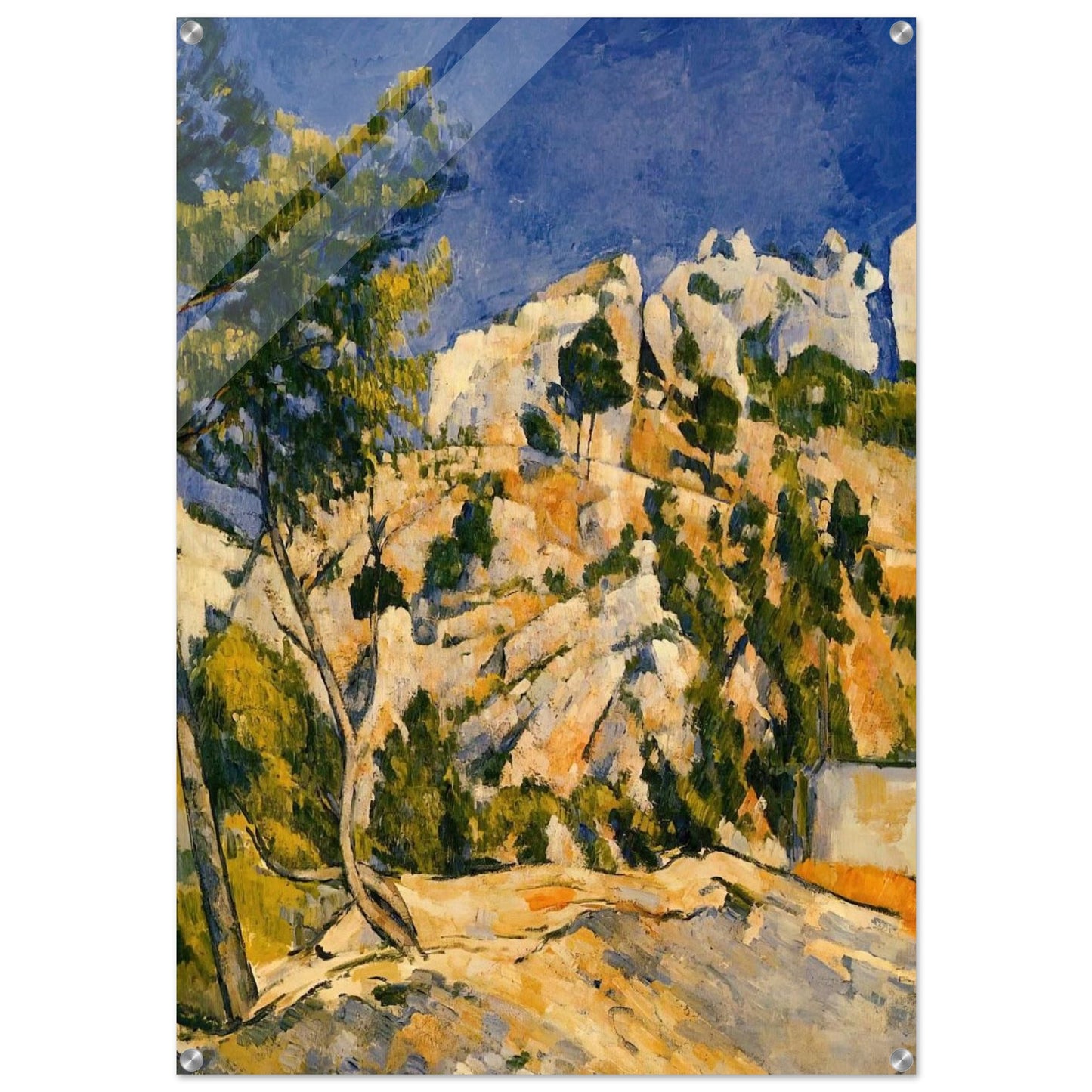
Bottom of the Ravine - Paul Cézanne Acrylic Print - 70x100 cm / 28x40″ inches
Bottom of the Ravine - Paul Cézanne Acrylic Print - 70x100 cm / 28x40″ inches
Couldn't load pickup availability
A Provençal Masterpiece: Paul Cézanne’s Bottom of the Ravine
Experience the structural brilliance of the "Father of Modern Art" with this museum-quality reproduction of Paul Cézanne’s Bottom of the Ravine. This piece captures a pivotal moment in art history, where Cézanne moved beyond Impressionism to explore the geometric permanence of the natural world. Our 70x100 cm (28x40″) acrylic print brings this landscape to life with unparalleled clarity and depth.
In Bottom of the Ravine, Cézanne utilizes his signature "constructive stroke"—a technique of applying paint in parallel, rhythmic patches—to build form through color rather than line. This specific view showcases the rugged beauty of the French countryside, emphasizing the interplay of light and shadow within the deep fissures of the earth. By choosing a fine art acrylic print, these nuanced color shifts and architectural brushstrokes are magnified by the refractive properties of the 4mm acrylic pane.
RedKalion is dedicated to curating archival-grade masterpieces. This Paul Cézanne acrylic print is engineered for both aesthetic impact and long-term durability. The sleek 4mm (0.15") acrylic surface provides a vibrant, glass-like finish that enhances the saturation of the pigments, making the Provençal greens and earth tones appear luminous from within.
- Premium Material: 4mm (0.15") thick acrylic for a sophisticated, modern aesthetic that resists wear.
- Precision Finish: Expertly crafted with straight-cut corners and transparent-to-white background optimization for optimal visual punch.
- Ready to Display: Includes a professional-grade hanging kit with screws and pre-drilled holes for a seamless, stable installation.
- Museum Quality: Archival-grade construction ensures your investment remains a centerpiece of your collection for decades.
Discover Unlimited Art Possibilities
At RedKalion, you can find virtually any artwork from any artist, available in a wide range of sizes to perfectly match your space.
If you didn’t find what you’re looking for, contact us at support@redkalion.com . We will source any artwork and produce it in any size and format you need, including art prints, posters, canvas, framed pieces, framed canvas, and more.
For dedicated art enthusiasts, we also offer handcrafted replicas of any artwork, carefully painted by highly skilled artists using traditional techniques.
For custom requests, contact us at support@redkalion.com .
What material is used for this Paul Cézanne print?
We use premium 4mm (0.15") acrylic for a sleek, vibrant finish. This material enhances the depth and colors of Cézanne’s work while offering superior durability and a modern, glass-like appearance.
Is the hanging hardware included with the 70x100 cm print?
Yes, each print includes a specialized hanging kit with screws. The acrylic features four pre-drilled holes (8mm diameter) positioned 14mm from the edges for a secure and elegant display.
How will my artwork be protected during shipping?
Every RedKalion print is meticulously packaged using protective layers and rigid, impact-resistant materials to ensure your museum-quality reproduction arrives in pristine condition, ready for immediate installation.
Will the colors fade over time?
No. Our archival-grade acrylic prints are designed for longevity. The high-quality pigments and UV-resistant acrylic properties ensure the vibrancy of "Bottom of the Ravine" endures for generations without yellowing or fading.
Can I order this in other dimensions?
While this listing is for the 70x100 cm (28x40″) format, RedKalion offers various sizes to suit your space. This large-scale format is ideal for capturing the intricate textures of Cézanne's landscape.
What is the historical significance of Bottom of the Ravine?
This work exemplifies Cézanne’s transition toward Post-Impressionism. It focuses on the architectural qualities of nature, a style that essentially laid the foundation for the Cubist movement in the early 20th century.
What specific technique did Cézanne use in this piece?
Cézanne employed his "constructive stroke" technique, using rhythmic, slanted brushstrokes to build volume and form. This method allowed him to create a sense of three-dimensional space using sophisticated color modulation.