RedKalion
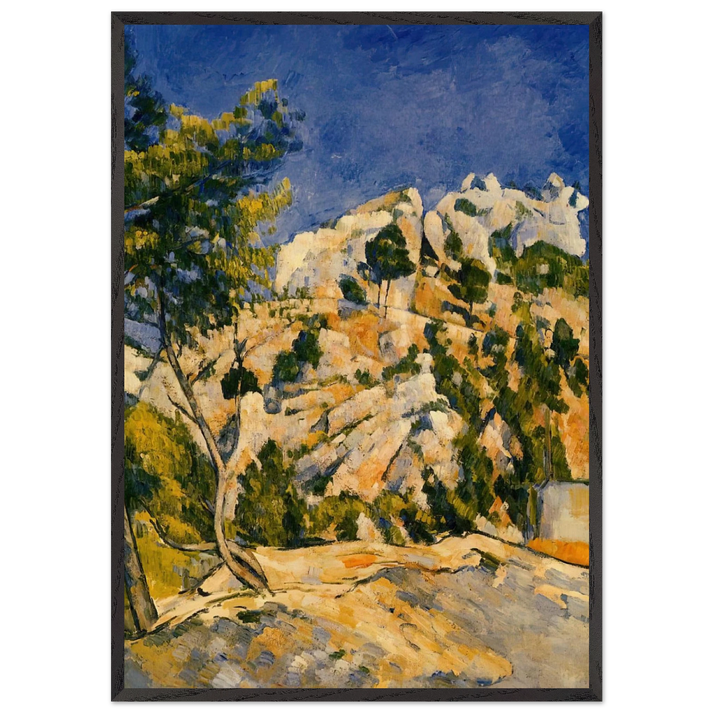
Bottom of the Ravine - Paul Cezanne 70x100 cm / 28x40 inches Framed Art Print – Black Wooden Frame
Bottom of the Ravine - Paul Cezanne 70x100 cm / 28x40 inches Framed Art Print – Black Wooden Frame
Couldn't load pickup availability
A Masterpiece of Structural Landscape: Paul Cézanne’s Bottom of the Ravine
Invite the profound depth and architectural brilliance of Paul Cézanne into your home with this museum-quality reproduction of Bottom of the Ravine. As the 'Father of Modern Art,' Cézanne sought to 'treat nature by means of the cylinder, the sphere, the cone,' and this particular work showcases his mastery of geological form and spatial tension. This 70x100 cm (28x40 inches) framed art print captures the subtle shifts in color and the 'constructive stroke' that would eventually pave the way for Cubism.
At RedKalion, we believe fine art deserves a presentation that matches its historical weight. This print is produced on 250 gsm (110 lb) archival museum-quality paper, featuring a natural white, matte, and uncoated finish that allows the rich earth tones and structured shadows of the ravine to resonate without distracting glare. Each piece is meticulously housed in a premium black frame crafted from responsibly sourced oak and ash wood.
Our frames are specifically selected for their robust profile, measuring 20mm (0.79") in both thickness and width—providing a more substantial and sophisticated presence than standard commercial frames. To ensure your investment remains pristine for generations, we utilize shatterproof plexiglass, providing crystal-clear protection against the elements while maintaining the integrity of Cézanne’s vision.
- Museum-Grade Quality: Printed on FSC-certified, archival-grade paper for long-lasting brilliance.
- Sustainable Craftsmanship: Hand-finished frames made from sustainably managed forests.
- Ready to Hang: Includes a professional hanging kit for immediate installation.
- Sophisticated Aesthetic: The 28x40 inch format serves as a commanding focal point for modern or classical interiors.

Discover Unlimited Art Possibilities
At RedKalion, you can find virtually any artwork from any artist, available in a wide range of sizes to perfectly match your space.
If you didn’t find what you’re looking for, contact us at support@redkalion.com . We will source any artwork and produce it in any size and format you need, including art prints, posters, canvas, framed pieces, framed canvas, and more.
For dedicated art enthusiasts, we also offer handcrafted replicas of any artwork, carefully painted by highly skilled artists using traditional techniques.
For custom requests, contact us at support@redkalion.com .
What makes the 250 gsm paper ideal for this Cézanne print?
Our 250 gsm (110 lb) paper is a premium, heavy-weight archival material. Its matte, uncoated finish prevents glare and ensures the intricate textures of Cézanne’s brushwork are rendered with museum-quality precision and exceptional longevity.
Is the black wooden frame sustainably sourced?
Yes, all RedKalion frames are crafted from FSC-certified oak and ash wood. This ensures your Paul Cézanne fine art print is housed in materials that meet the highest environmental and social standards for sustainability.
How is the artwork protected from environmental damage?
Each print is protected by high-quality, shatterproof plexiglass. This provides the clarity of traditional glass while offering superior durability and protection against dust and physical impact, preserving the artwork's archival integrity.
Is the Bottom of the Ravine print ready to hang upon arrival?
Absolutely. Your 70x100 cm framed art print arrives fully assembled with a specialized hanging kit included. The 20mm thick frame is designed for a secure, flush mount against your wall.
How long will the colors of this fine art reproduction last?
By utilizing archival museum-quality paper and acid-free materials, this reproduction is designed to resist yellowing and fading. When kept out of direct sunlight, the print will maintain its vibrant color profile for decades.
What period of Cézanne's career does this work represent?
Bottom of the Ravine exemplifies Cézanne’s Post-Impressionist period, where he moved beyond fleeting light to explore the permanent, underlying structure of the landscape near his home in Aix-en-Provence.
Why is this piece considered a precursor to modern art?
Cézanne’s use of geometric planes and his rejection of traditional perspective in this piece directly influenced the development of 20th-century movements, most notably the Cubism of Picasso and Braque.