

RedKalion
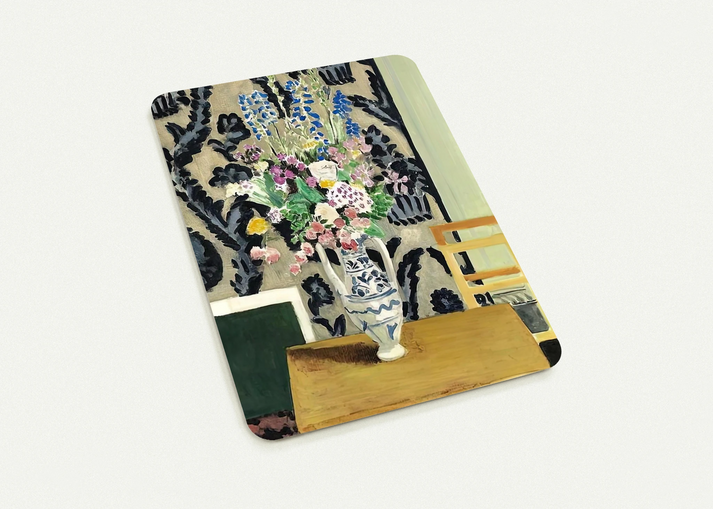
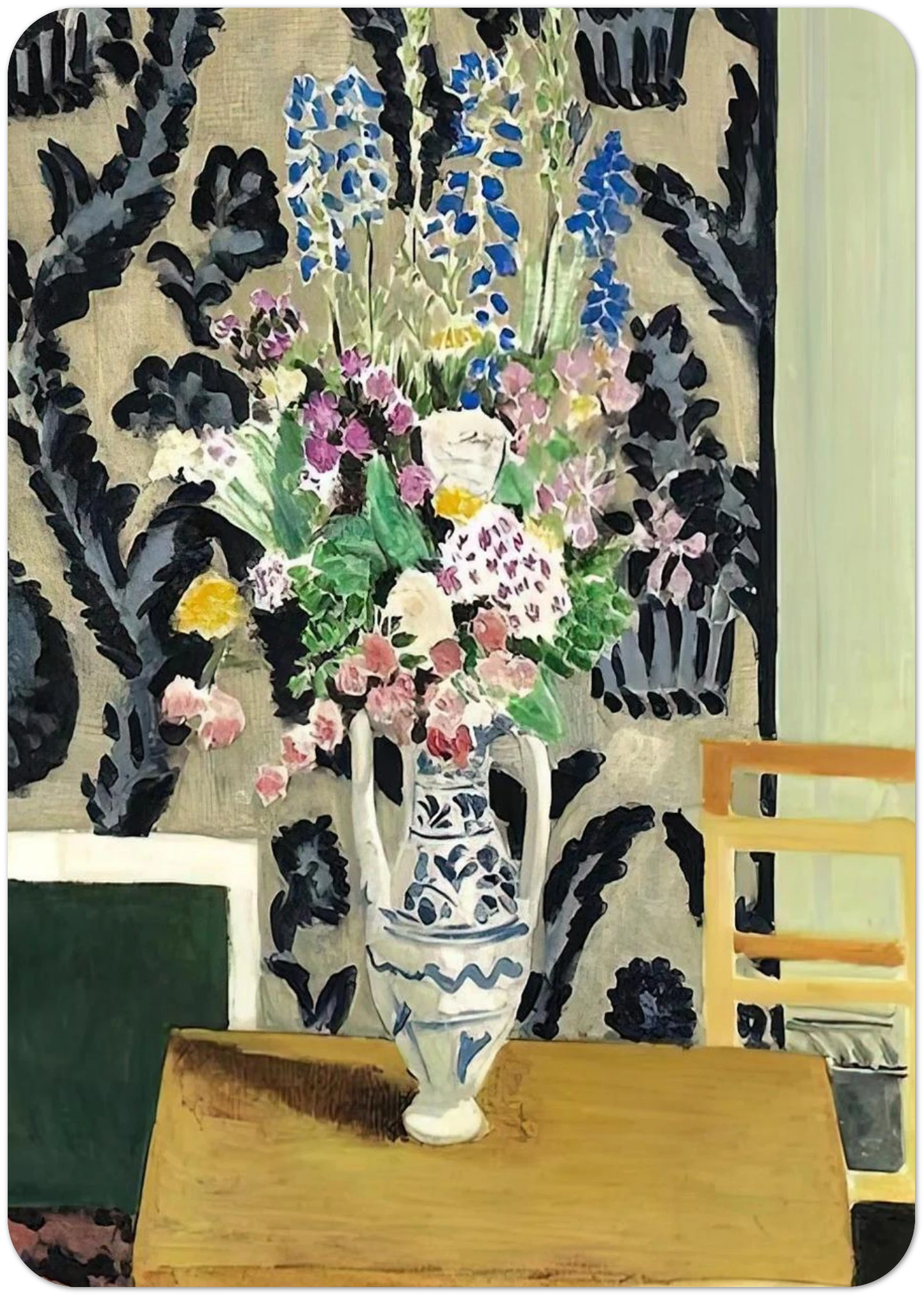
BOUQUET DE FLEURS POUR LE QUATORZE JUILLET 1919 By Henri Matisse Pack of 10 Post Cards | Henri Matisse Post Cards | A6 (10.5 x 14.8 cm) - 4.1 x 5.8 inches
BOUQUET DE FLEURS POUR LE QUATORZE JUILLET 1919 By Henri Matisse Pack of 10 Post Cards | Henri Matisse Post Cards | A6 (10.5 x 14.8 cm) - 4.1 x 5.8 inches
Couldn't load pickup availability
Elevate Your Correspondence with Henri Matisse’s Post-War Masterpiece
Immerse your recipients in the vibrant optimism of early 20th-century modernism with our premium pack of 10 post cards featuring Henri Matisse’s Bouquet de Fleurs pour le Quatorze Juillet (1919). This evocative piece, painted shortly after the conclusion of World War I, serves as a chromatic celebration of French national pride and the resilience of the human spirit. Captured during Matisse's transformative period in Nice, the work reflects his mastery of light and the fluid, expressive brushwork that defined his legendary career.
Museum-Quality Reproduction for the Discerning Collector
At RedKalion, we bridge the gap between historical fine art and contemporary stationery. Each A6 post card is a testament to archival excellence, utilizing 12-color fine art printing technology. Unlike standard 4-color commercial prints, our process ensures every nuance of Matisse’s palette—from the deep verdant leaves to the subtle pastel highlights—is rendered with breathtaking depth and accuracy.
Premium Specifications & Sustainable Craftsmanship
Experience the tactile luxury of a true fine art reproduction. These post cards are designed to endure, serving as both a message and a keepsake. Our commitment to quality is matched only by our commitment to the environment.
- Color Vibrancy: Advanced 12-color inkjet technology for superior color gamut and tonal transitions.
- Paper Weight: Substantial 200 gsm (80 lb) paper, offering a thickness of 0.26 mm (10.3 mils) for a premium feel.
- Finish: A sophisticated smooth matte finish that eliminates glare and enhances the clarity of Matisse's brushstrokes.
- Eco-Conscious: Proudly printed on FSC-certified paper, ensuring responsible forest management.
- Archival Integrity: Acid-free materials designed to prevent yellowing and maintain vibrancy over time.
Whether used for personal invitations or as a curated set for an art enthusiast, these post cards transform a simple message into a gallery-worthy experience. Trust in RedKalion to deliver a piece of history that resonates with timeless sophistication.


Discover Unlimited Art Possibilities
At RedKalion, you can find virtually any artwork from any artist, available in a wide range of sizes to perfectly match your space.
If you didn’t find what you’re looking for, contact us at support@redkalion.com . We will source any artwork and produce it in any size and format you need, including art prints, posters, canvas, framed pieces, framed canvas, and more.
For dedicated art enthusiasts, we also offer handcrafted replicas of any artwork, carefully painted by highly skilled artists using traditional techniques.
For custom requests, contact us at support@redkalion.com .
What makes the printing quality of these post cards unique?
We use 12-color fine art printing technology, which provides a significantly wider color gamut and greater depth compared to standard 4-color prints, ensuring a museum-quality reproduction of Matisse’s original work.
What are the specific physical attributes of the paper?
The cards are printed on 200 gsm (80 lb) FSC-certified paper with a thickness of 0.26 mm. They feature a smooth matte finish for a glare-free, professional aesthetic.
Is the paper used for these Matisse post cards eco-friendly?
Yes, all our post cards are printed on environmentally conscious, FSC-certified paper, supporting sustainable forestry practices and reducing ecological impact.
How are orders processed and is there a minimum quantity?
Each pack of 10 post cards is printed on demand with no minimum order requirements, ensuring you receive a freshly produced, high-quality product every time.
Will the colors fade over time?
By utilizing archival-grade inks and acid-free matte paper, these post cards are designed to resist fading and maintain their vibrant color integrity for years to come.
What is the historical significance of the 'Quatorze Juillet' title?
'Quatorze Juillet' refers to Bastille Day, France's National Day. Painted in 1919, this bouquet symbolizes the first peace-time celebration following World War I, embodying hope and national renewal.
What period of Matisse’s career does this artwork represent?
This 1919 work represents Matisse's early Nice period, where he moved away from the radical abstraction of Fauvism toward a more naturalistic, light-filled style focused on Mediterranean interiors and still lifes.