RedKalion
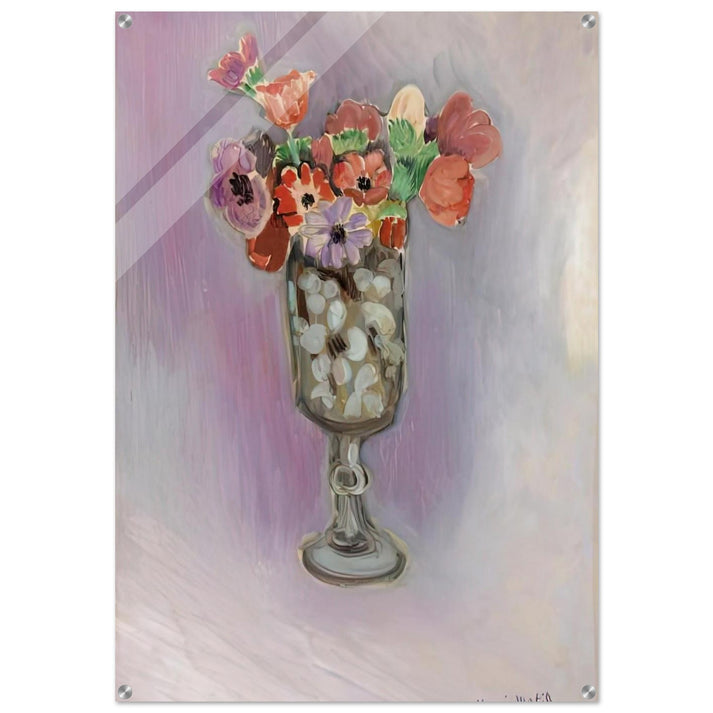
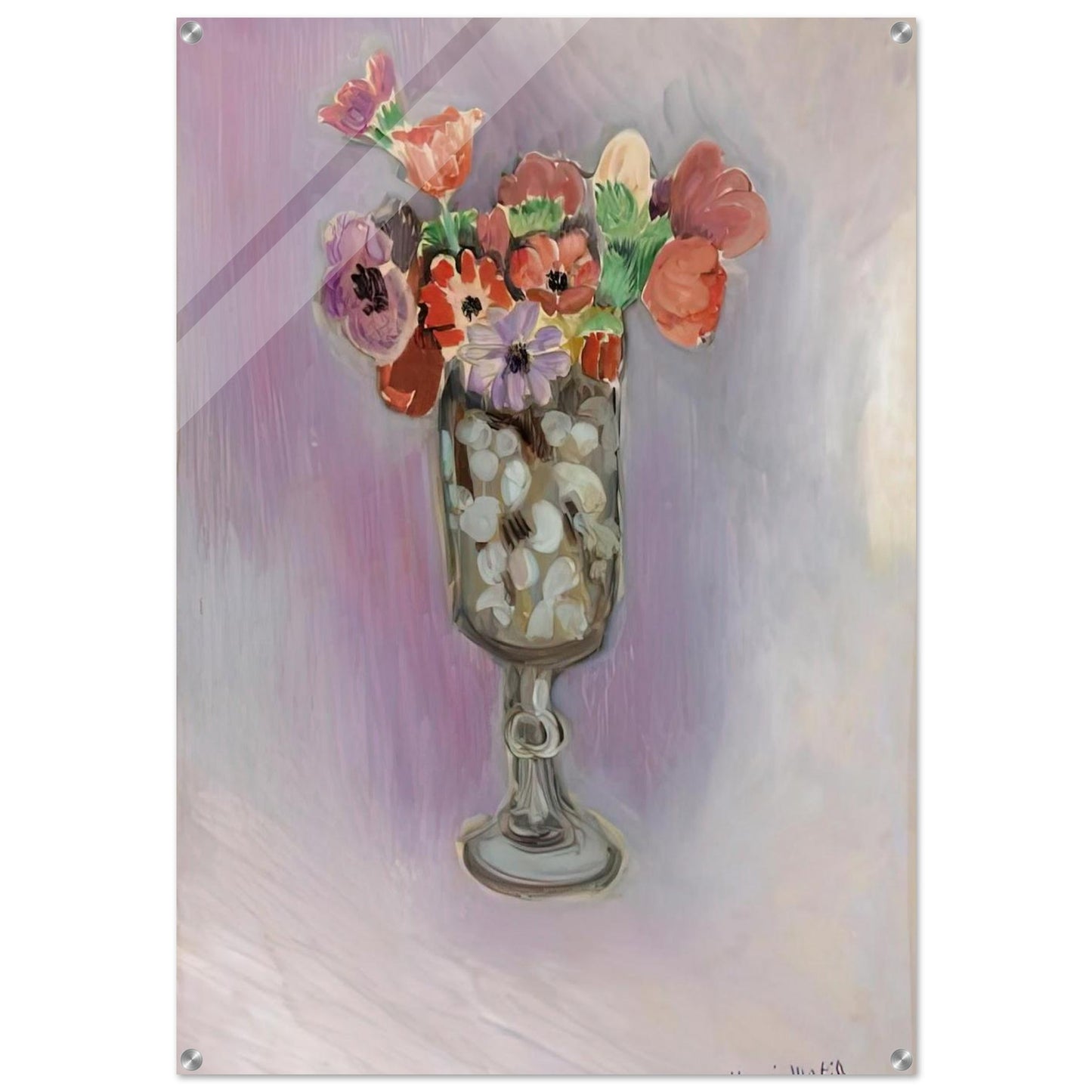
BOUQUET OF ANEMONES 1918 - Henri Matisse Acrylic Print - 70x100 cm / 28x40″ inches | Henri Matisse Wall Art | Henri Matisse Prints
BOUQUET OF ANEMONES 1918 - Henri Matisse Acrylic Print - 70x100 cm / 28x40″ inches | Henri Matisse Wall Art | Henri Matisse Prints
Couldn't load pickup availability
BOUQUET OF ANEMONES 1918: A Symphony of Mediterranean Radiance
Experience the vibrant energy of Henri Matisse’s early Nice period with this museum-quality reproduction of Bouquet of Anemones (1918). Created during a transformative era for the artist, this piece captures the soft, filtered light of the French Riviera and Matisse’s lifelong fascination with botanical forms and decorative patterns. This fine art print does more than decorate a room; it invites the mastery of one of the 20th century’s greatest colorists into your daily life.
Unrivaled Depth and Modern Elegance
At RedKalion, we elevate Henri Matisse wall art by utilizing premium 4mm (0.15") acrylic, which provides a sleek, glass-like finish that enhances color saturation and depth. The transparency of the material allows light to interact with the pigments, creating a luminous effect that traditional canvas cannot replicate. Our Henri Matisse prints feature straight-cut corners for a contemporary aesthetic, ensuring the artwork remains the focal point of any modern interior.
The RedKalion Standard of Craftsmanship
This 70x100 cm (28x40″) masterpiece is designed for both beauty and longevity. To ensure a seamless installation, each acrylic print includes a specialized hanging kit with hardware and screws. Precision-drilled holes (8mm diameter) are placed 14mm from each corner, designed to fit the included 15mm screw heads perfectly. Transparent backgrounds in the original composition are rendered in a crisp, clean white to ensure the highest visual impact and color accuracy. Elevate your space with an archival masterpiece that endures through generations.
Discover Unlimited Art Possibilities
At RedKalion, you can find virtually any artwork from any artist, available in a wide range of sizes to perfectly match your space.
If you didn’t find what you’re looking for, contact us at support@redkalion.com . We will source any artwork and produce it in any size and format you need, including art prints, posters, canvas, framed pieces, framed canvas, and more.
For dedicated art enthusiasts, we also offer handcrafted replicas of any artwork, carefully painted by highly skilled artists using traditional techniques.
For custom requests, contact us at support@redkalion.com .
What makes this Matisse acrylic print museum-quality?
We use high-grade 4mm acrylic and advanced printing techniques to ensure color accuracy and depth. This archival-grade material provides a vibrant, durable finish that mimics the luminosity of an original gallery display.
How do I mount the Bouquet of Anemones print?
Each print includes a professional hanging kit. The acrylic features pre-drilled 8mm holes at each corner, 14mm from the edge. We provide the necessary screws (15mm head) for a secure and elegant installation.
Is the 4mm acrylic material durable?
Yes, our 4mm (0.15") acrylic is highly durable and impact-resistant. It offers a sleek, modern look while protecting the artwork from dust and moisture, making it superior to standard glass frames.
What is the shipping process for this large-format print?
Your 70x100 cm print is meticulously packaged in protective layers to ensure it arrives in pristine condition. We use trusted global carriers and provide tracking for every RedKalion shipment.
Will the colors fade over time?
Our Matisse prints use UV-resistant inks and archival-grade acrylic to prevent fading. This ensures that the vivid reds and purples of the anemones remain vibrant for decades under normal indoor lighting.
Why is Bouquet of Anemones significant in Matisse’s career?
Painted in 1918, this work marks Matisse's move to Nice. It showcases his transition from bold Fauvism to a more atmospheric, decorative style that focused on the interplay of interior light and floral textures.
How does the 1918 setting influence this composition?
Following WWI, Matisse sought peace and beauty. The anemone bouquet reflects this desire for domestic harmony, utilizing the unique Mediterranean light to create a sense of optimism and serene visual pleasure.