

RedKalion
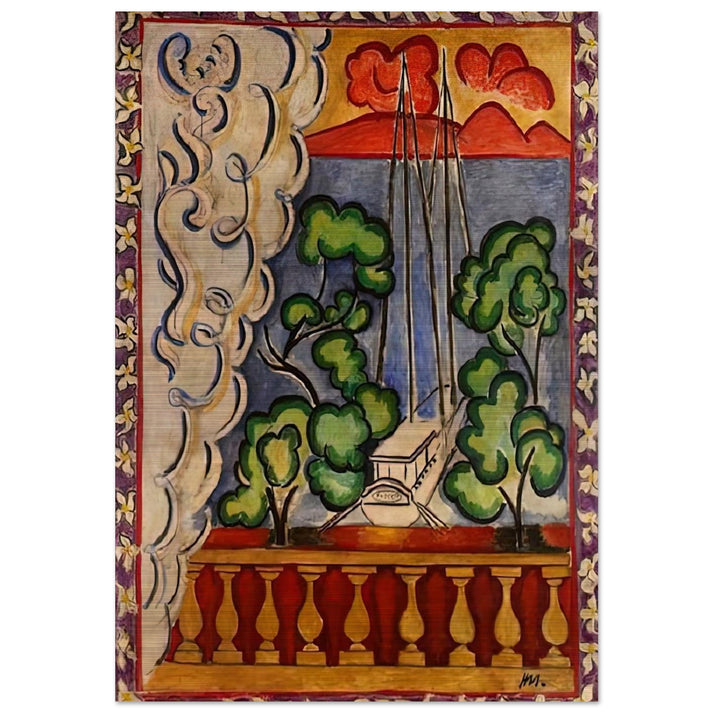
BOUQUET OF DAHLIAS AND WHITE BOOK 1923 - Henri Matisse Brushed Aluminum Print - 70x100 cm / 28x40 inches | Henri Matisse Aluminum Print | Henri Matisse Prints
BOUQUET OF DAHLIAS AND WHITE BOOK 1923 - Henri Matisse Brushed Aluminum Print - 70x100 cm / 28x40 inches | Henri Matisse Aluminum Print | Henri Matisse Prints
Couldn't load pickup availability
Experience the Luminosity of Matisse’s Nice Period
Henri Matisse’s Bouquet of Dahlias and White Book (1923) captures the serene, light-filled atmosphere of the artist’s studio in Nice. During this pivotal era, Matisse moved away from the radical simplification of his early Fauvist years toward a lush, decorative naturalism. This specific composition balances the organic vibrancy of the dahlias against the geometric stillness of the white book, creating a profound dialogue between nature and intellect.
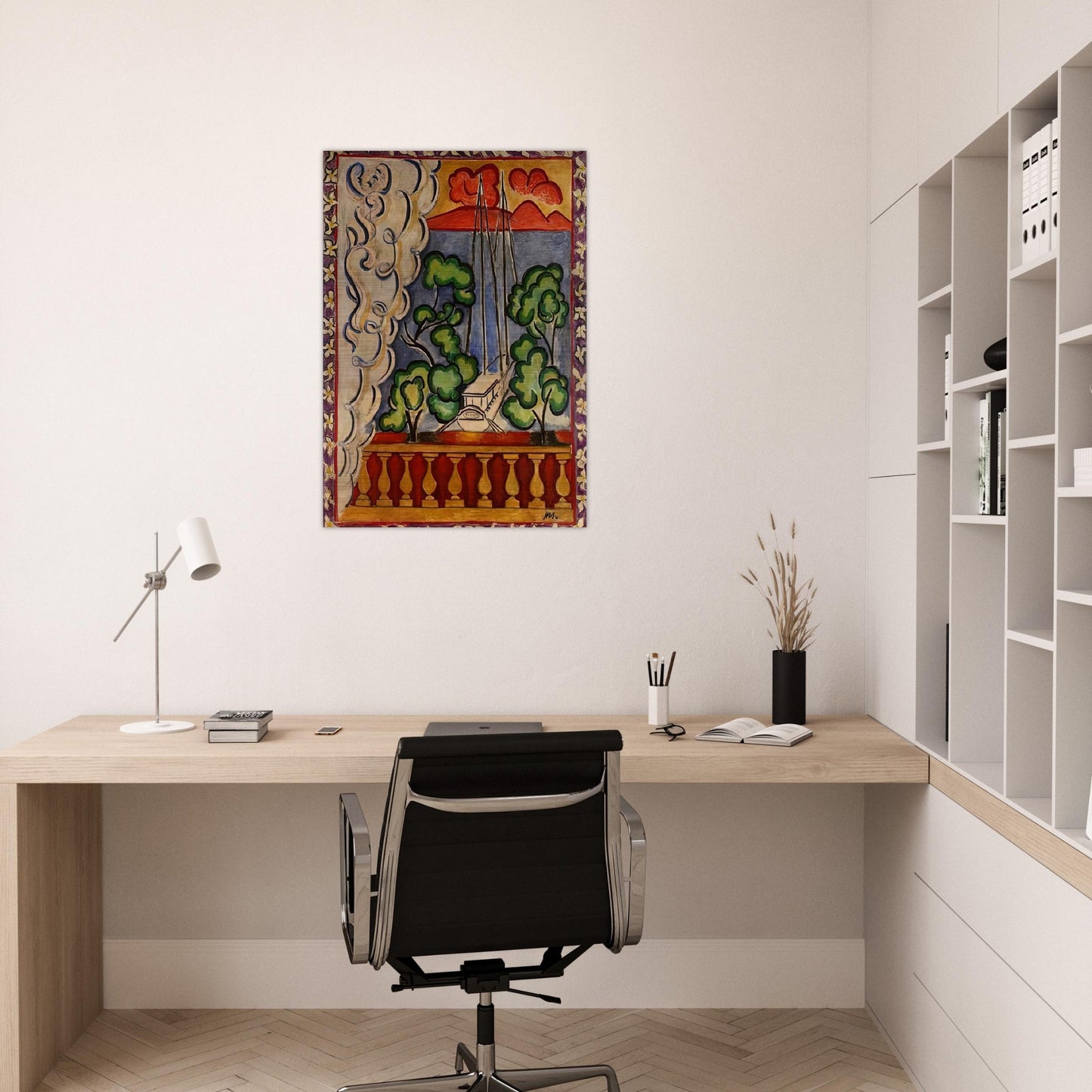
At RedKalion, we elevate this historical masterpiece by presenting it on Brushed Silver Aluminum DIBOND®. This medium offers a sophisticated, modern texture that complements Matisse's color palette. The 3mm thick substrate provides a rigid, museum-quality base that ensures the longevity of the artwork while adding a distinct contemporary edge to your collection. This is a definitive fine art print designed for those who appreciate the intersection of classic Modernism and industrial design.
Technical Excellence Meets Artistic Heritage
This premium reproduction utilizes a direct print technique on AluDibond, where unprinted white areas reveal a metallic silver effect, allowing the horizontal grain of the aluminum to shine through. This creates a dynamic, light-reactive surface that changes character depending on the angle of illumination. The matte finish eliminates glare, ensuring that every brushstroke and tonal shift remains visible in any lighting environment.
- Material: 3mm (0.12") Brushed Aluminum DIBOND® with a metallic silver finish.
- Visual Profile: Horizontal grain for a textured, dynamic aesthetic that highlights Matisse’s colorism.
- Durability: Highly rigid and archival-grade, designed to endure for generations without warping.
- Finish: Matte and glare-free, perfect for high-light environments.
- Ready to Display: Includes a high-quality hanging kit tailored to your fulfillment location.
By choosing this RedKalion edition, you are acquiring more than a reproduction; you are investing in a meticulously crafted archival piece. Elevate your space with an archival masterpiece that endures, bridging the gap between early 20th-century French modernism and 21st-century interior elegance.


Discover Unlimited Art Possibilities
At RedKalion, you can find virtually any artwork from any artist, available in a wide range of sizes to perfectly match your space.
If you didn’t find what you’re looking for, contact us at support@redkalion.com . We will source any artwork and produce it in any size and format you need, including art prints, posters, canvas, framed pieces, framed canvas, and more.
For dedicated art enthusiasts, we also offer handcrafted replicas of any artwork, carefully painted by highly skilled artists using traditional techniques.
For custom requests, contact us at support@redkalion.com .
What makes the brushed aluminum print unique?
Our prints use Aluminum DIBOND® with a brushed silver finish. The horizontal grain adds a metallic texture, making the artwork appear dynamic as light hits the surface from different angles.
How long will the print last?
These museum-quality reproductions are printed on 3mm thick, archival-grade aluminum. They are highly durable, UV-resistant, and designed to maintain their vivid colors without fading for decades.
Is the artwork ready to hang?
Yes, every RedKalion aluminum print comes with a specialized hanging kit included. The kit varies by fulfillment country to ensure the most secure mounting for your specific wall type.
Will there be reflections on the surface?
No, the print features a sophisticated matte finish that is completely glare-free. This makes it ideal for bright rooms or spaces with heavy artificial lighting where glass would cause reflections.
How do I clean my Matisse aluminum print?
Maintenance is simple. Use a soft, dry microfiber cloth to gently wipe away dust. Avoid abrasive cleaners or excess moisture to preserve the brushed silver effect and ink integrity.
What is the significance of the 1923 date for Matisse?
1923 marks Matisse’s 'Nice Period,' where he focused on the interplay of Mediterranean light and domestic interiors, moving toward a more harmonious and decorative style of modernism.
Why is the 'White Book' important in this composition?
The white book serves as a structural counterpoint to the organic dahlias. It represents Matisse’s frequent theme of balancing intellectual study with sensory beauty and vibrant floral color.