RedKalion
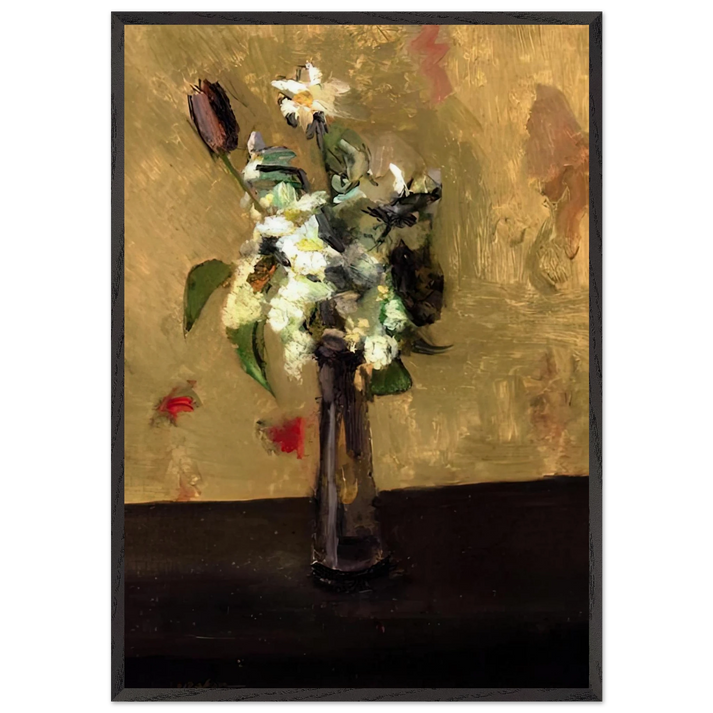
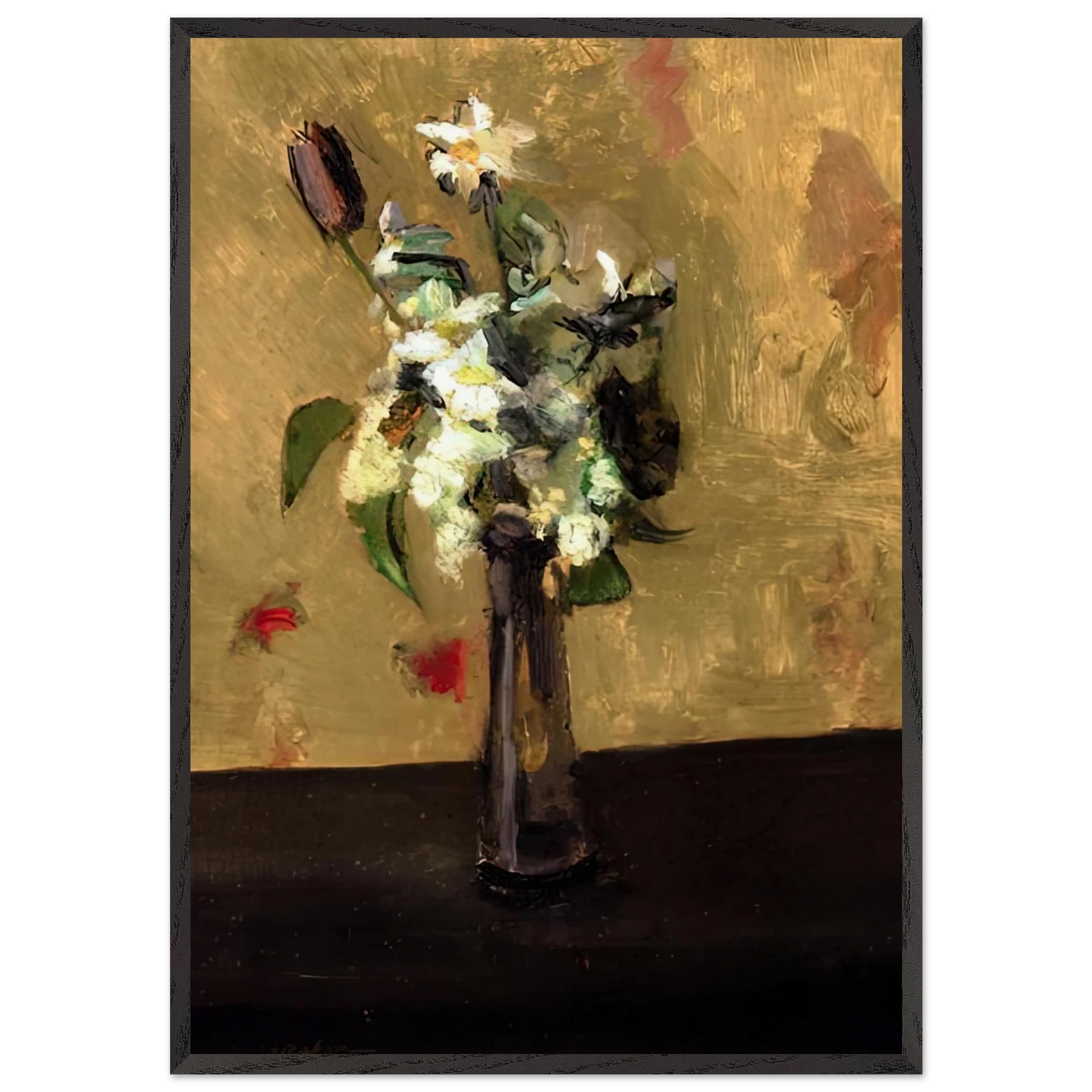
BOUQUET OF FLOWERS IN A CRYSTAL VASE 1902 - Henri Matisse 70x100 cm / 28x40 inches Framed Art Print – Black Wooden Frame
BOUQUET OF FLOWERS IN A CRYSTAL VASE 1902 - Henri Matisse 70x100 cm / 28x40 inches Framed Art Print – Black Wooden Frame
Couldn't load pickup availability
Elevate Your Space with Henri Matisse's 1902 Masterpiece
Experience the early genius of Henri Matisse with this museum-quality reproduction of Bouquet of Flowers in a Crystal Vase (1902). Created during a pivotal transitional period in Matisse's career, this work captures the artist's burgeoning interest in the interplay of light, color, and structure before his full emergence into Fauvism. The delicate transparency of the crystal vase provides a sophisticated contrast to the vibrant, organic forms of the floral arrangement, making it a timeless centerpiece for any interior.
Archival Quality Meets Sustainable Craftsmanship
At RedKalion, we specialize in fine art prints that honor the integrity of the original work. This 70x100 cm (28x40 inches) framed art print is meticulously produced on 250 gsm (110 lb) archival-grade paper. The paper is natural white, uncoated, and features a matte finish that prevents glare, allowing the subtle nuances of Matisse's brushwork to shine. Each print is protected by shatterproof plexiglass, ensuring long-lasting clarity and safety.
Premium Framing and Specifications
Our commitment to excellence extends to our materials. This piece arrives in a premium black wooden frame, crafted from responsibly sourced oak and ash (FSC-certified). Unlike standard commercial frames, our frames are 20mm (0.79") thick and wide, providing a robust and elegant profile that commands attention. Your artwork arrives ready-to-hang with a high-quality hanging kit included, allowing for immediate installation in your home or gallery.
- Artist: Henri Matisse (1902)
- Paper: 250 gsm archival museum-quality, matte finish.
- Frame: 20mm thick black wood (FSC-certified oak/ash).
- Protection: Durable shatterproof plexiglass.
- Ready-to-hang: Includes professional hanging hardware.
Discover Unlimited Art Possibilities
At RedKalion, you can find virtually any artwork from any artist, available in a wide range of sizes to perfectly match your space.
If you didn’t find what you’re looking for, contact us at support@redkalion.com . We will source any artwork and produce it in any size and format you need, including art prints, posters, canvas, framed pieces, framed canvas, and more.
For dedicated art enthusiasts, we also offer handcrafted replicas of any artwork, carefully painted by highly skilled artists using traditional techniques.
For custom requests, contact us at support@redkalion.com .
What are the paper specifications for this Matisse print?
We use 250 gsm (110 lb) archival museum-quality paper. It is a natural white, uncoated, matte-finished paper that ensures deep color saturation and longevity without the distracting glare of glossy alternatives.
Is the frame sustainably sourced?
Yes, our frames are crafted from FSC-certified oak and ash wood. This ensures that the materials for your fine art print are harvested responsibly, supporting global forest conservation efforts.
How is the artwork protected during shipping and display?
To ensure your print arrives in pristine condition, we use shatterproof plexiglass. This provides the same clarity as glass while being much more durable and resistant to impact during transit and home display.
Is this Matisse art print ready to hang?
Absolutely. Every RedKalion framed print includes a pre-installed hanging kit. You can display your new Henri Matisse masterpiece on your wall immediately upon unboxing with no additional assembly required.
Will the colors fade over time?
No, we use archival-grade materials and pigment-based inks. Combined with our 250 gsm museum-quality paper, this ensures your reproduction maintains its original vibrancy and historical accuracy for decades.
What is the historical significance of Matisse's 1902 period?
In 1902, Matisse was moving away from traditional Impressionism. This period highlights his study of structure and light, serving as a vital precursor to the bold color experiments of the Fauvist movement.
Why did Matisse choose a crystal vase for this composition?
Matisse used the crystal vase to explore the complexities of transparency and refraction. It allowed him to demonstrate technical mastery in depicting how light interacts with both water and glass alongside organic floral elements.