

RedKalion
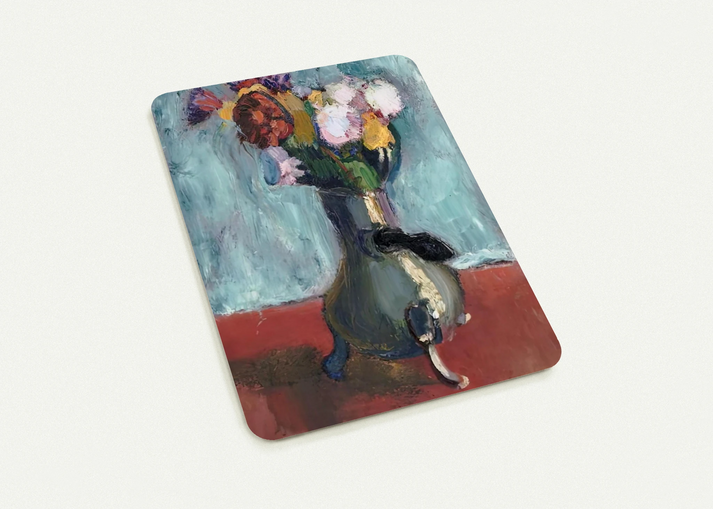
BOUQUET OF FLOWERS IN CHOCOLATE 1902 By Henri Matisse Pack of 10 Post Cards | Henri Matisse Post Cards | A6 (10.5 x 14.8 cm) - 4.1 x 5.8 inches
BOUQUET OF FLOWERS IN CHOCOLATE 1902 By Henri Matisse Pack of 10 Post Cards | Henri Matisse Post Cards | A6 (10.5 x 14.8 cm) - 4.1 x 5.8 inches
Couldn't load pickup availability
Elevate Your Correspondence with Matisse’s 'Bouquet of Flowers in Chocolate' (1902)
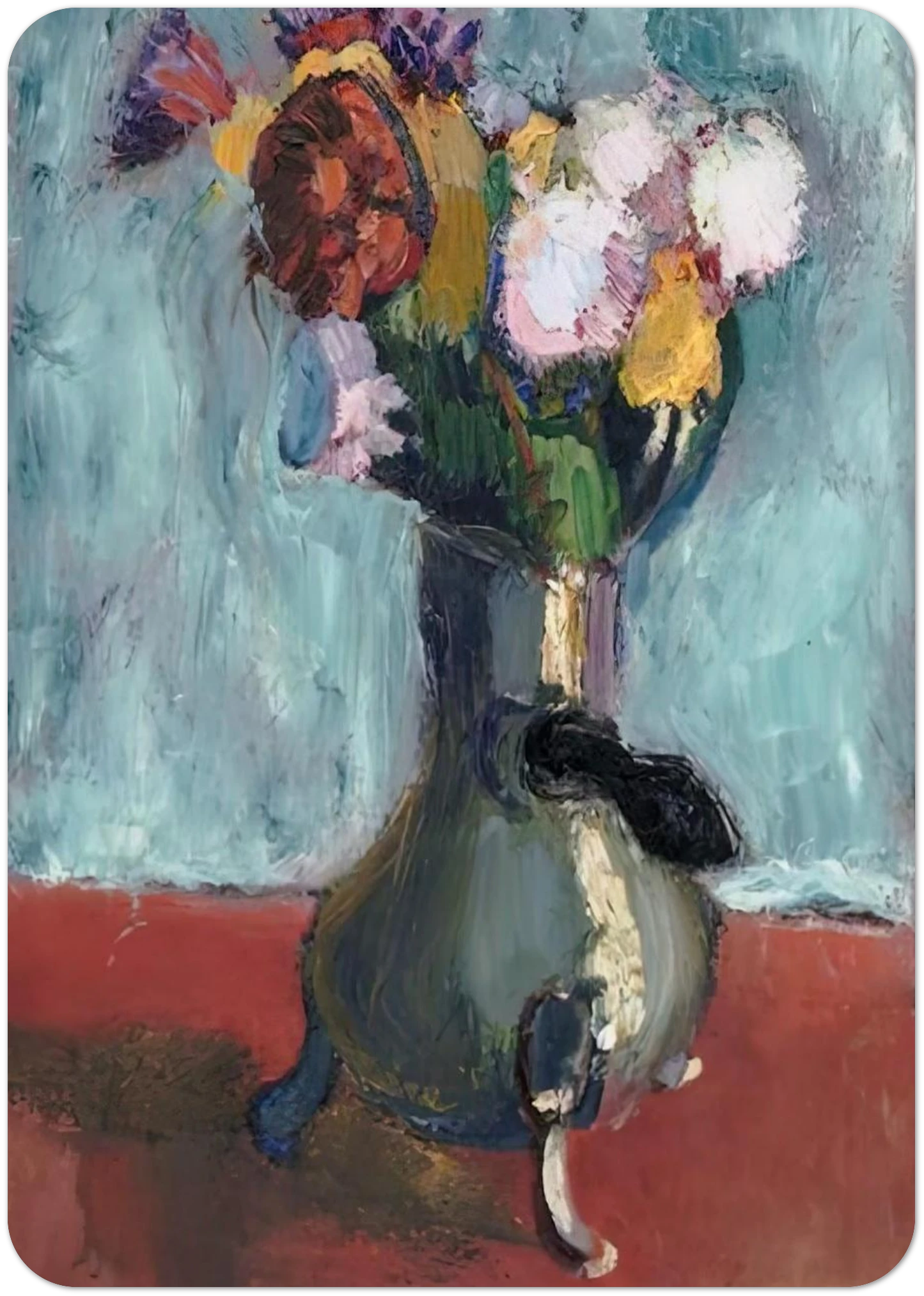
Experience the profound depth of Henri Matisse’s early mastery with this exquisite pack of 10 fine art postcards. Painted in 1902, Bouquet of Flowers in Chocolate (also known as Bouquet de fleurs dans un chocolatier) captures a pivotal moment in Matisse’s evolution. Moving away from academic strictness, this work showcases the artist's exploration of volume and subdued, earthy tones—a period often characterized by art historians as his 'Dark Period' or 'Somber Period' before the explosion of Fauvism.
At RedKalion, we believe that art should be tactile and enduring. These postcards are not mere stationary; they are museum-quality reproductions designed to bring a touch of the 20th-century avant-garde to your personal notes or home gallery. Each card captures the rich, velvety textures and the subtle interplay of light that Matisse carefully orchestrated in his Parisian studio.
Uncompromising Material Excellence
- 12-Color Fine Art Printing: Unlike standard 4-color commercial prints, we utilize a 12-color pigment-based process. This ensures every nuance of Matisse’s 'chocolate' palette is rendered with breathtaking accuracy and depth.
- Premium Archival Paper: Printed on 200 gsm (80 lb) FSC-certified paper with a thickness of 0.26 mm, providing a substantial, luxurious feel.
- Sophisticated Matte Finish: The smooth, glare-free matte surface ensures the artwork remains the focal point, whether displayed under direct light or tucked into a frame.
- Eco-Conscious Curation: We utilize sustainably sourced materials, reflecting our commitment to both art and the environment.
Whether you are a collector of modernist art or looking for a sophisticated way to connect with loved ones, these A6 postcards offer a tangible piece of art history. Every pack is printed on demand, ensuring that your set meets our rigorous standards for archival quality and color vibrancy.


Discover Unlimited Art Possibilities
At RedKalion, you can find virtually any artwork from any artist, available in a wide range of sizes to perfectly match your space.
If you didn’t find what you’re looking for, contact us at support@redkalion.com . We will source any artwork and produce it in any size and format you need, including art prints, posters, canvas, framed pieces, framed canvas, and more.
For dedicated art enthusiasts, we also offer handcrafted replicas of any artwork, carefully painted by highly skilled artists using traditional techniques.
For custom requests, contact us at support@redkalion.com .
What makes the printing quality of these Matisse postcards unique?
RedKalion utilizes 12-color fine art printing technology. This exceeds standard 4-color prints by offering superior color vibrancy and tonal depth, capturing the exact mood of Matisse’s 1902 palette.
What are the physical specifications of the postcard paper?
Each card is printed on 200 gsm (80 lb) FSC-certified paper with a 0.26 mm thickness. It features a smooth matte finish for a premium, glare-free tactile experience.
Can these postcards be framed as miniature art prints?
Absolutely. The archival-grade paper and 12-color depth make these A6 cards (10.5 x 14.8 cm) ideal for small frames, creating a curated gallery aesthetic in any space.
How does RedKalion handle shipping and production?
To ensure quality and reduce waste, these postcards are printed on demand. They are carefully packaged to prevent bending and shipped using tracked services to ensure safe arrival.
Are the materials used for these postcards environmentally friendly?
Yes, we use FSC-certified paper, which ensures the wood pulp is sourced from responsibly managed forests that provide environmental, social, and economic benefits.
What is the historical significance of 'Bouquet of Flowers in Chocolate'?
Painted in 1902, this work represents Matisse’s transition toward modernism. It displays a focus on structure and somber tones, influenced by his study of Old Masters like Chardin.
Why is the painting referred to as being 'in Chocolate'?
The title refers to the chocolate-colored ceramic vessel (a 'chocolatier') holding the flowers, a common household object Matisse used to experiment with dark, rich tonal values.