RedKalion
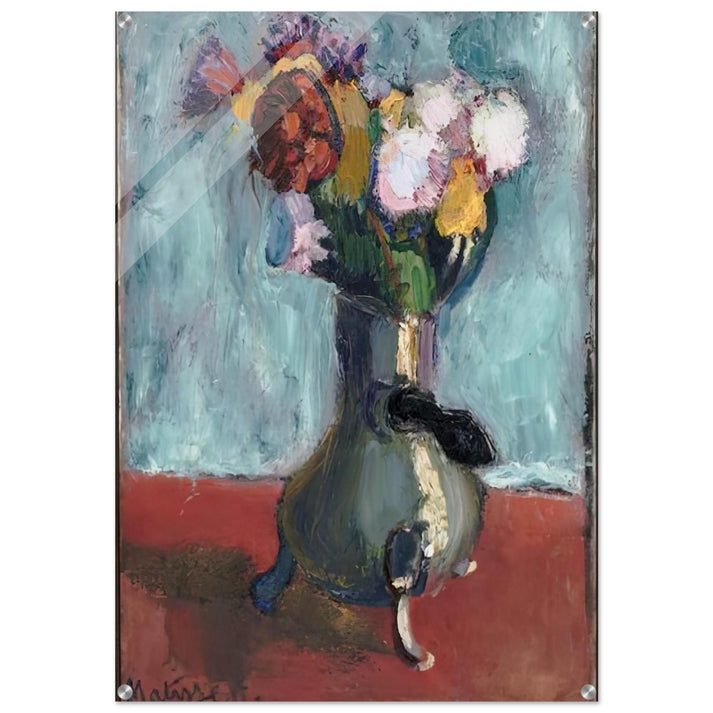
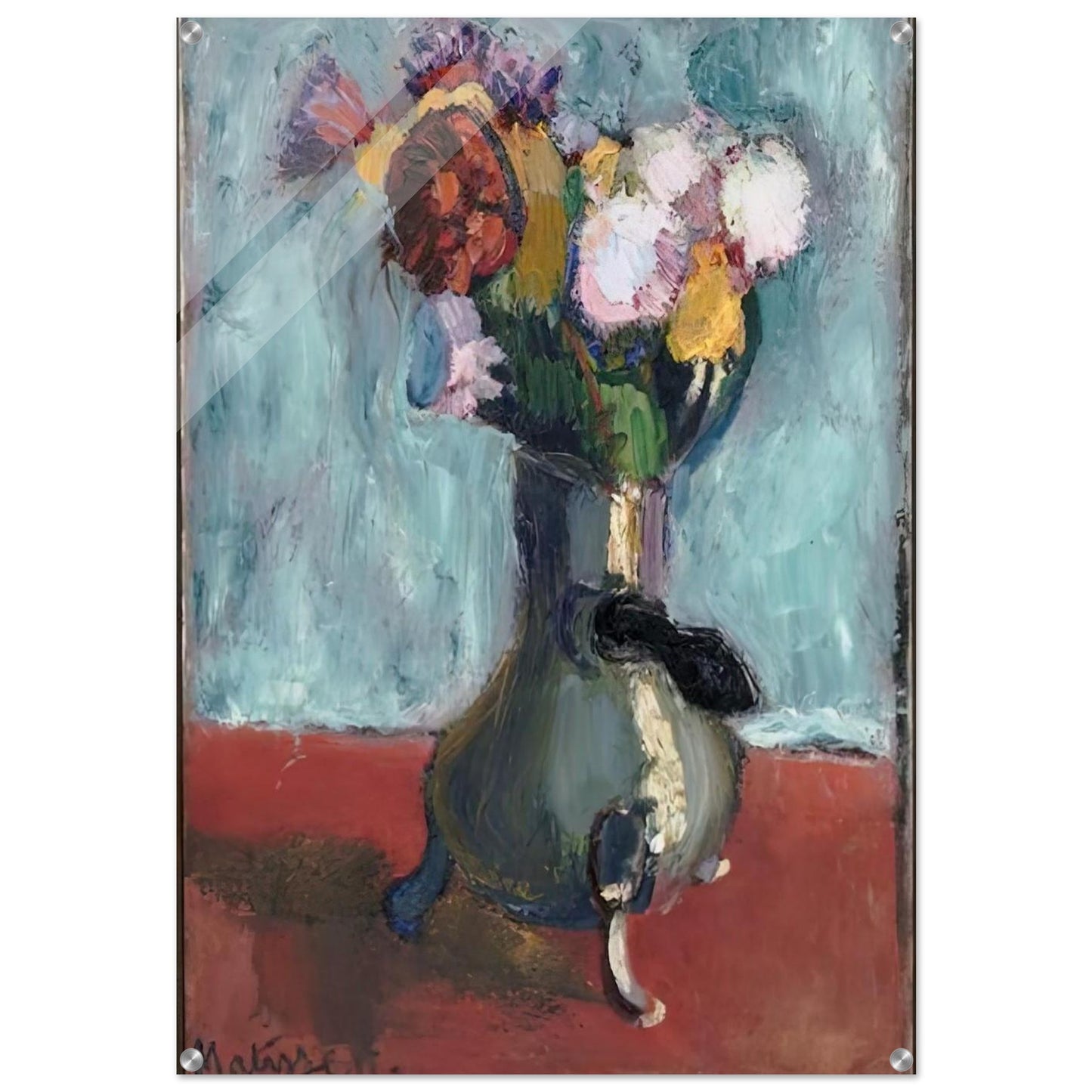
BOUQUET OF FLOWERS IN CHOCOLATE 1902 - Henri Matisse Acrylic Print - 70x100 cm / 28x40″ inches
BOUQUET OF FLOWERS IN CHOCOLATE 1902 - Henri Matisse Acrylic Print - 70x100 cm / 28x40″ inches
Couldn't load pickup availability
Bring Home a Masterpiece: Henri Matisse's Bouquet of Flowers in Chocolate (1902)
Step into a pivotal moment of art history with this museum-quality reproduction of Henri Matisse's Bouquet of Flowers in Chocolate (1902). Created during Matisse’s influential 'Dark Period,' this work showcases the artist’s transition from the structured influence of Cézanne toward the explosive color theories that would eventually lead to Fauvism. The rich, earthy tones and vigorous brushwork are perfectly captured on our premium acrylic medium, offering a depth and luminosity that traditional canvas cannot replicate.
The RedKalion Archival Standard
At RedKalion, we curate more than just images; we preserve the soul of the original work. This 70x100 cm (28x40″) acrylic print is crafted using 4mm (0.15") thick acrylic, providing a sleek, modern finish that enhances the vibrant colors and intricate textures of Matisse’s early still life. Our commitment to archival excellence ensures that your investment remains a centerpiece of your collection for generations.
Premium Construction and Elegant Design
- Material: Crystal-clear 4mm acrylic for a vibrant, high-definition finish.
- Sophisticated Aesthetic: Precision straight-cut corners and a minimalist design.
- Integrated Hanging Solution: Includes a full hanging kit with screws and pre-drilled holes at each corner (14mm from edges) for effortless, professional installation.
- Optimized Presentation: Transparent elements are backed with white to ensure the colors of the bouquet remain vivid and true to Matisse's original intent.
Elevate your interior with an archival-grade fine art print that combines early 20th-century genius with 21st-century durability. This piece is not merely decor; it is a testament to the enduring legacy of Henri Matisse.
Discover Unlimited Art Possibilities
At RedKalion, you can find virtually any artwork from any artist, available in a wide range of sizes to perfectly match your space.
If you didn’t find what you’re looking for, contact us at support@redkalion.com . We will source any artwork and produce it in any size and format you need, including art prints, posters, canvas, framed pieces, framed canvas, and more.
For dedicated art enthusiasts, we also offer handcrafted replicas of any artwork, carefully painted by highly skilled artists using traditional techniques.
For custom requests, contact us at support@redkalion.com .
What materials are used for this Henri Matisse print?
This print is crafted from 4mm (0.15") premium acrylic, offering a durable, vibrant, and sleek finish that protects the artwork while providing stunning visual depth.
How do I hang the 70x100 cm acrylic print?
Each print includes a professional hanging kit with screws. There are pre-drilled 8mm holes at each corner, 14mm from the edge, designed for the 15mm screw heads provided.
Is the shipping process secure for large-format art?
Yes. RedKalion utilizes specialized protective packaging for all museum-quality reproductions, ensuring your 70x100 cm Matisse print arrives in pristine condition with global tracking.
Will the colors of the Bouquet of Flowers fade over time?
No. Our archival-grade acrylic prints are designed for longevity. The 4mm acrylic shield and high-quality inks ensure the colors remain vibrant and resistant to UV-induced fading.
What are the exact dimensions of this specific piece?
This reproduction measures 70x100 cm, which is approximately 28x40 inches, making it a substantial statement piece for any home or office gallery.
What is the historical significance of the year 1902 for Matisse?
1902 represents Matisse's 'Dark Period.' Influenced by personal financial hardship and the works of Van Gogh, he experimented with a somber, earthy palette before his Fauvist breakthrough.
What does 'Chocolate' refer to in the title of this artwork?
The title refers to the deep, rich brown tones of the background and the vase, a color choice that demonstrates Matisse's early mastery of tonal depth and structural composition.