

RedKalion
BOUQUET OF FLOWERS IN CHOCOLATE 1902 - Henri Matisse Brushed Aluminum Print - 70x100 cm / 28x40 inches | Henri Matisse Aluminum Print | Henri Matisse Prints
BOUQUET OF FLOWERS IN CHOCOLATE 1902 - Henri Matisse Brushed Aluminum Print - 70x100 cm / 28x40 inches | Henri Matisse Aluminum Print | Henri Matisse Prints
Couldn't load pickup availability
Elevate Your Space with Henri Matisse’s Early Masterpiece
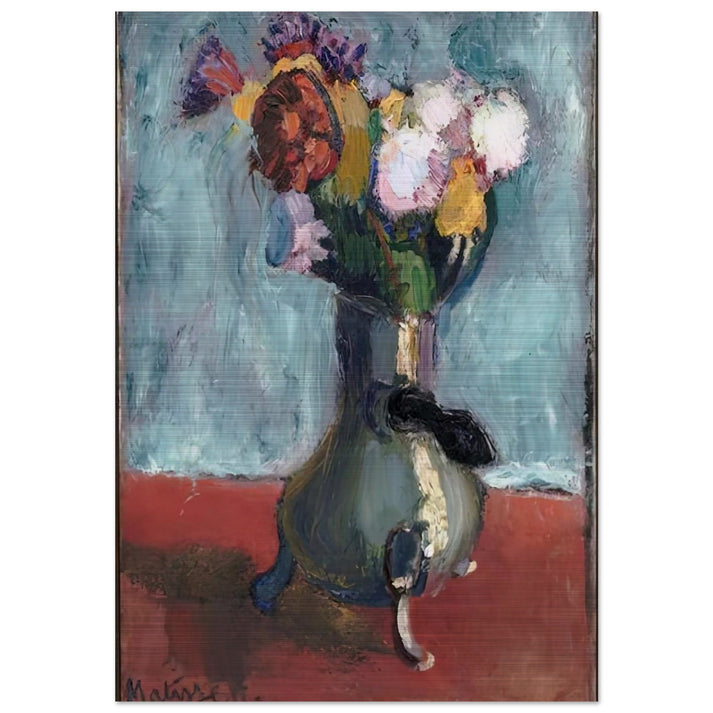
Experience the profound depth of Henri Matisse’s 'Bouquet of Flowers in Chocolate' (1902), a seminal work from the artist’s 'Dark Period.' Before the vibrant explosion of Fauvism, Matisse explored the structural integrity of color through a sophisticated, earthy palette. This museum-quality reproduction captures the transition of a master, where the 'chocolate' tones provide a rich, tactile foundation for the floral arrangement.
The Innovation of Brushed Aluminum DIBOND®
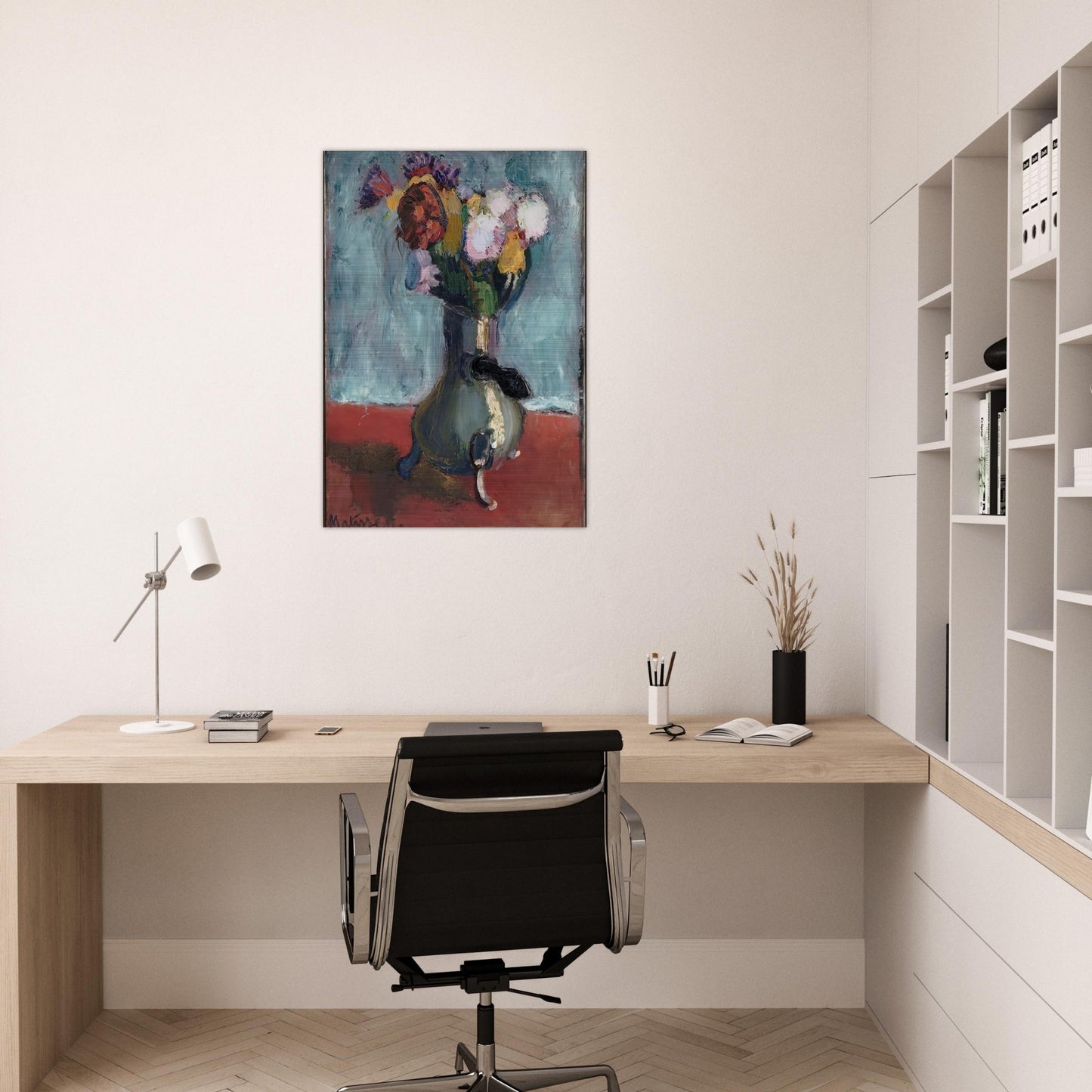
RedKalion brings this historical artwork into the modern era using Brushed silver Aluminum DIBOND®. This medium is specifically chosen to complement Matisse’s early 20th-century technique. The 3mm (0.12") rigid base features a horizontal grain that creates a dynamic, metallic interplay with light. In this fine art print, any unprinted white areas allow the natural silver metallic effect to shine through, adding a contemporary brilliance to the somber, classic tones.
Premium Specifications & Archival Quality
- Material: 3mm Brushed Aluminum DIBOND® with a sophisticated metallic finish.
- Visual Depth: Direct-to-substrate printing ensures vivid colors and a glare-free matte finish.
- Durability: Highly rigid and durable, designed to resist fading and environmental wear.
- Ready to Display: Each print includes a specialized hanging kit tailored to your region.
By choosing this Henri Matisse aluminum print, you are not merely purchasing a decoration; you are investing in an archival-grade reproduction that honors the artist’s legacy. RedKalion’s commitment to precision ensures that every brushstroke from the 1902 original is rendered with impeccable clarity and depth.


Discover Unlimited Art Possibilities
At RedKalion, you can find virtually any artwork from any artist, available in a wide range of sizes to perfectly match your space.
If you didn’t find what you’re looking for, contact us at support@redkalion.com . We will source any artwork and produce it in any size and format you need, including art prints, posters, canvas, framed pieces, framed canvas, and more.
For dedicated art enthusiasts, we also offer handcrafted replicas of any artwork, carefully painted by highly skilled artists using traditional techniques.
For custom requests, contact us at support@redkalion.com .
What material is used for this Henri Matisse print?
This print is crafted on 3mm (0.12") Brushed silver Aluminum DIBOND®, offering a rigid, durable base with a sophisticated horizontal grain for a dynamic metallic finish.
How does the brushed silver effect impact the artwork?
The matte finish is glare-free, and unprinted white areas reveal a striking metallic silver effect, enhancing the depth and texture of Matisse’s 1902 floral composition.
Is the mounting hardware included with the purchase?
Yes, a professional hanging kit is included with every RedKalion print. The specific type of kit varies slightly depending on the fulfillment country to ensure safe installation.
How do I maintain and clean my aluminum fine art print?
To clean your archival-grade aluminum print, simply use a soft, dry microfiber cloth. Avoid harsh chemicals; the matte finish is naturally durable and resistant to environmental factors.
What is the archival longevity of an AluDibond print?
AluDibond prints are exceptionally long-lasting. The direct print technology and UV-resistant inks ensure your Matisse reproduction remains vibrant and structural for decades without fading.
What was Henri Matisse's 'Dark Period' in 1902?
In 1902, Matisse focused on somber tones and structural form, influenced by Chardin and Manet. This era, known as 'Manière noire,' preceded his world-famous Fauvist color explorations.
Why is the piece titled 'Bouquet of Flowers in Chocolate'?
The title refers to the rich, deep brown and earthy 'chocolate' tones that dominate the palette, showcasing Matisse’s mastery over tonal values and atmospheric depth.