RedKalion
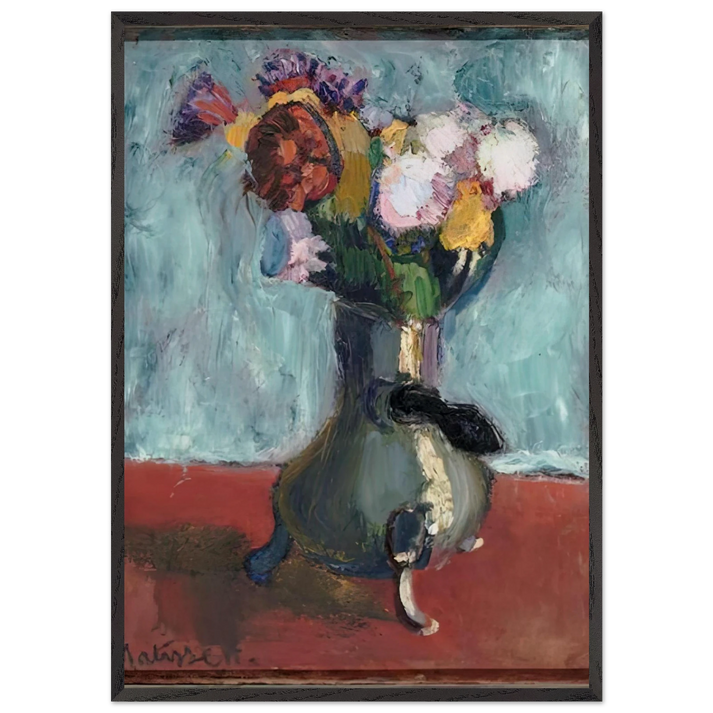
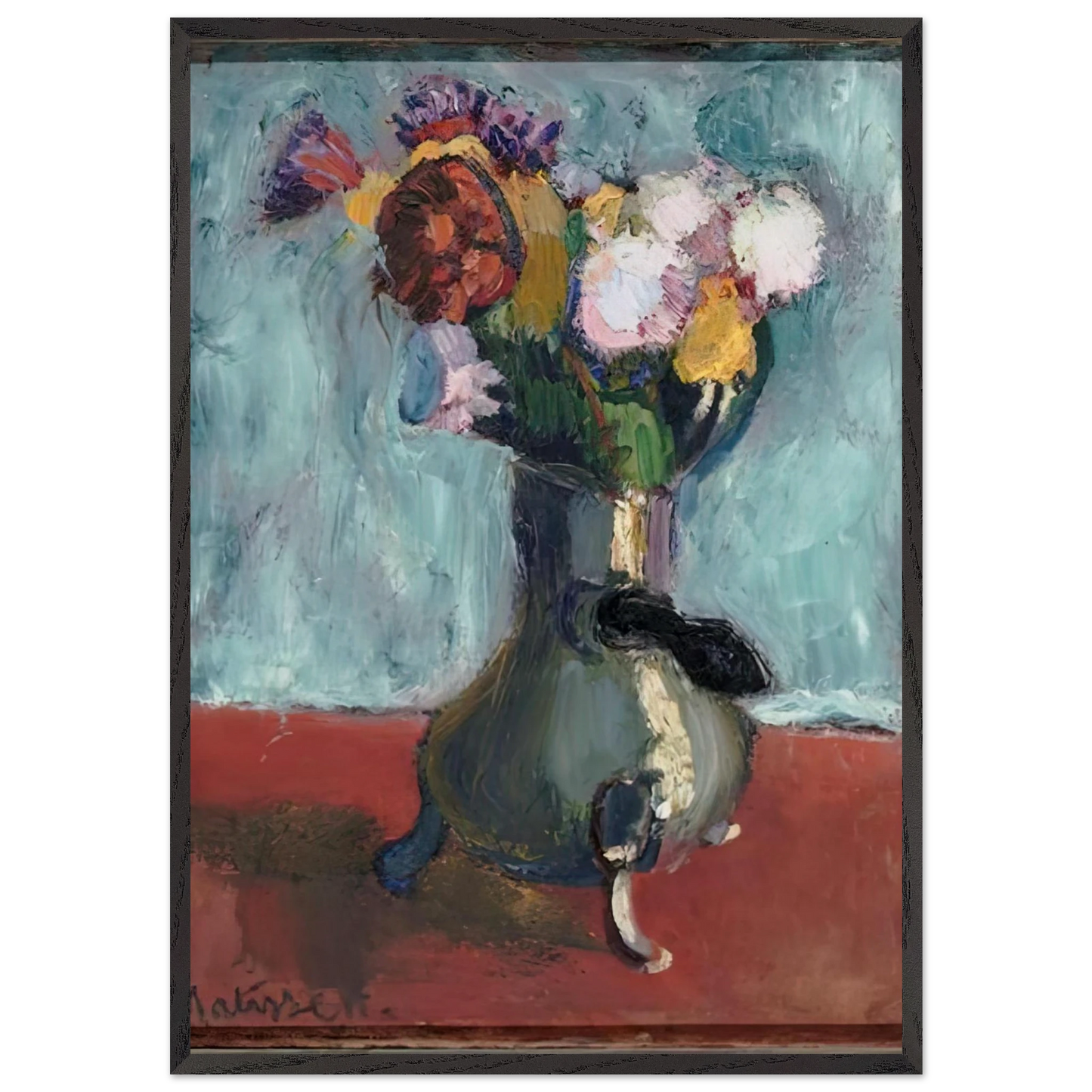
BOUQUET OF FLOWERS IN CHOCOLATE 1902 - Henri Matisse 70x100 cm / 28x40 inches Framed Art Print – Black Wooden Frame
BOUQUET OF FLOWERS IN CHOCOLATE 1902 - Henri Matisse 70x100 cm / 28x40 inches Framed Art Print – Black Wooden Frame
Couldn't load pickup availability
Elevate Your Space with Henri Matisse's Early Masterpiece
Experience the profound evolution of modern art with a museum-quality reproduction of Henri Matisse's 'Bouquet of Flowers in Chocolate' (1902). Painted during Matisse's somber and intellectually rigorous 'Dark Period,' this work offers a rare glimpse into the artist's foundational mastery before the explosion of Fauvism. The earthy, chocolate-toned palette showcases a sophisticated exploration of light and shadow, making it a timeless addition to any curated collection.
The RedKalion Standard of Excellence
At RedKalion, we believe fine art deserves the highest level of craftsmanship. This Matisse art print is meticulously rendered on 250 gsm (110 lb) archival museum-quality paper. The matte, uncoated, natural white finish ensures that every brushstroke and tonal shift is captured with stunning clarity, free from the glare often found in lower-quality reproductions. This is not just a poster; it is an enduring investment in aesthetic heritage.
Sustainably Sourced, Premium Framing
This piece arrives in a sophisticated black wooden frame, crafted from responsibly sourced oak and ash. To provide a more presence-heavy and gallery-ready aesthetic, our frames are 20mm (0.79") thick, offering a sturdier profile than standard consumer frames. To protect your investment, we use shatrerproof plexiglass, providing the crystal-clear visibility of glass with significantly enhanced durability.
Product Specifications at a Glance
- Historical Significance: A pivotal 1902 work from Matisse's formative years.
- Paper Quality: 250 gsm archival, FSC-certified paper for long-term preservation.
- Frame Details: 20mm premium black oak/ash wood with a matte finish.
- Protection: Archival-grade shatterproof plexiglass.
- Ready-to-Hang: Includes a high-quality hanging kit for immediate installation.
Enhance your home or office with a work that bridges the gap between traditional still life and the birth of modernism. RedKalion’s commitment to archival integrity ensures that this framed Matisse print remains a centerpiece in your space for generations.
Discover Unlimited Art Possibilities
At RedKalion, you can find virtually any artwork from any artist, available in a wide range of sizes to perfectly match your space.
If you didn’t find what you’re looking for, contact us at support@redkalion.com . We will source any artwork and produce it in any size and format you need, including art prints, posters, canvas, framed pieces, framed canvas, and more.
For dedicated art enthusiasts, we also offer handcrafted replicas of any artwork, carefully painted by highly skilled artists using traditional techniques.
For custom requests, contact us at support@redkalion.com .
What makes the paper quality museum-grade?
We use 250 gsm (110 lb) natural white, archival-grade paper. It is uncoated and acid-free, ensuring the print does not yellow or degrade over time, preserving the deep chocolate tones of Matisse’s original work.
How does the frame differ from standard retail frames?
Our frames are 20mm thick and wide, providing a more robust, gallery-style profile compared to the standard 14mm frames. They are crafted from responsibly sourced, solid oak and ash wood for premium durability.
Is the artwork protected against damage during shipping?
Yes, each framed print is protected by shatterproof plexiglass and shipped in secure, protective packaging. The use of plexiglass ensures the artwork remains safe during transit and in high-traffic home environments.
Is the materials used in this print sustainable?
Absolutely. We prioritize the environment by using FSC-certified paper and frames, or equivalent certifications depending on regional availability, supporting responsible forest management worldwide.
Does the print arrive ready to be displayed?
Yes, every framed Henri Matisse print from RedKalion includes a professional hanging kit, allowing you to display your archival masterpiece directly on your wall upon arrival.
What is the significance of the 'Chocolate' period in Matisse's career?
Between 1901 and 1903, Matisse moved away from Impressionism toward a darker palette. This 'Chocolate' period highlights his focus on structure and volume, serving as a critical bridge to his later Fauvist style.
Why does this painting look different from Matisse’s famous bright works?
In 1902, Matisse was influenced by Chardin and Manet, experimenting with more traditional, somber tones to master light and composition before he eventually revolutionized art with vibrant, non-naturalistic colors.