

RedKalion
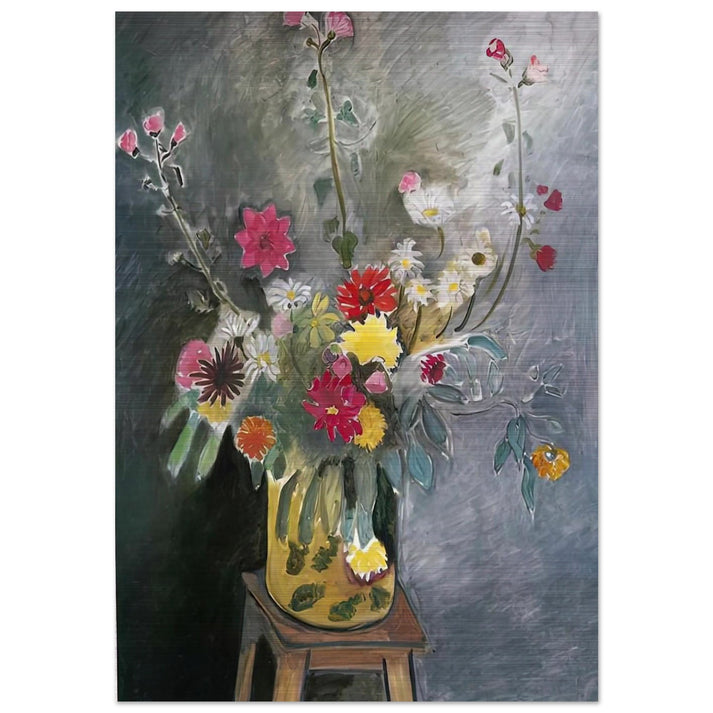
BOUQUET OF MIXED FLOWERS 1917 - Henri Matisse Brushed Aluminum Print - 70x100 cm / 28x40 inches | Henri Matisse Aluminum Print | Henri Matisse Prints
BOUQUET OF MIXED FLOWERS 1917 - Henri Matisse Brushed Aluminum Print - 70x100 cm / 28x40 inches | Henri Matisse Aluminum Print | Henri Matisse Prints
Couldn't load pickup availability
Elevate Your Collection with Henri Matisse’s 'Bouquet of Mixed Flowers' (1917)
Experience the vibrant intersection of Fauvism and domestic intimacy with this museum-quality reproduction of Henri Matisse's Bouquet of Mixed Flowers (1917). Created during a pivotal transitional period in Matisse’s career, this work captures a delicate balance between rhythmic composition and expressive color. At RedKalion, we have curated this masterpiece specifically for our brushed silver Aluminum DIBOND® medium, ensuring that each petal and leaf resonates with contemporary sophistication.
The Mastery of Matisse: A Historical Context
By 1917, Matisse began moving away from the stark abstractions of his earlier Parisian years toward the luminous, light-filled atmosphere of Nice. This bouquet represents a masterclass in the 'economy of line'—where every brushstroke is intentional. As a premier Henri Matisse fine art print, this reproduction preserves the artist's ability to create depth through color contrast rather than traditional perspective. The 70x100 cm format allows the viewer to fully appreciate the fluid, gestural energy Matisse infused into the floral arrangement.
Contemporary Materiality: Brushed Aluminum DIBOND®
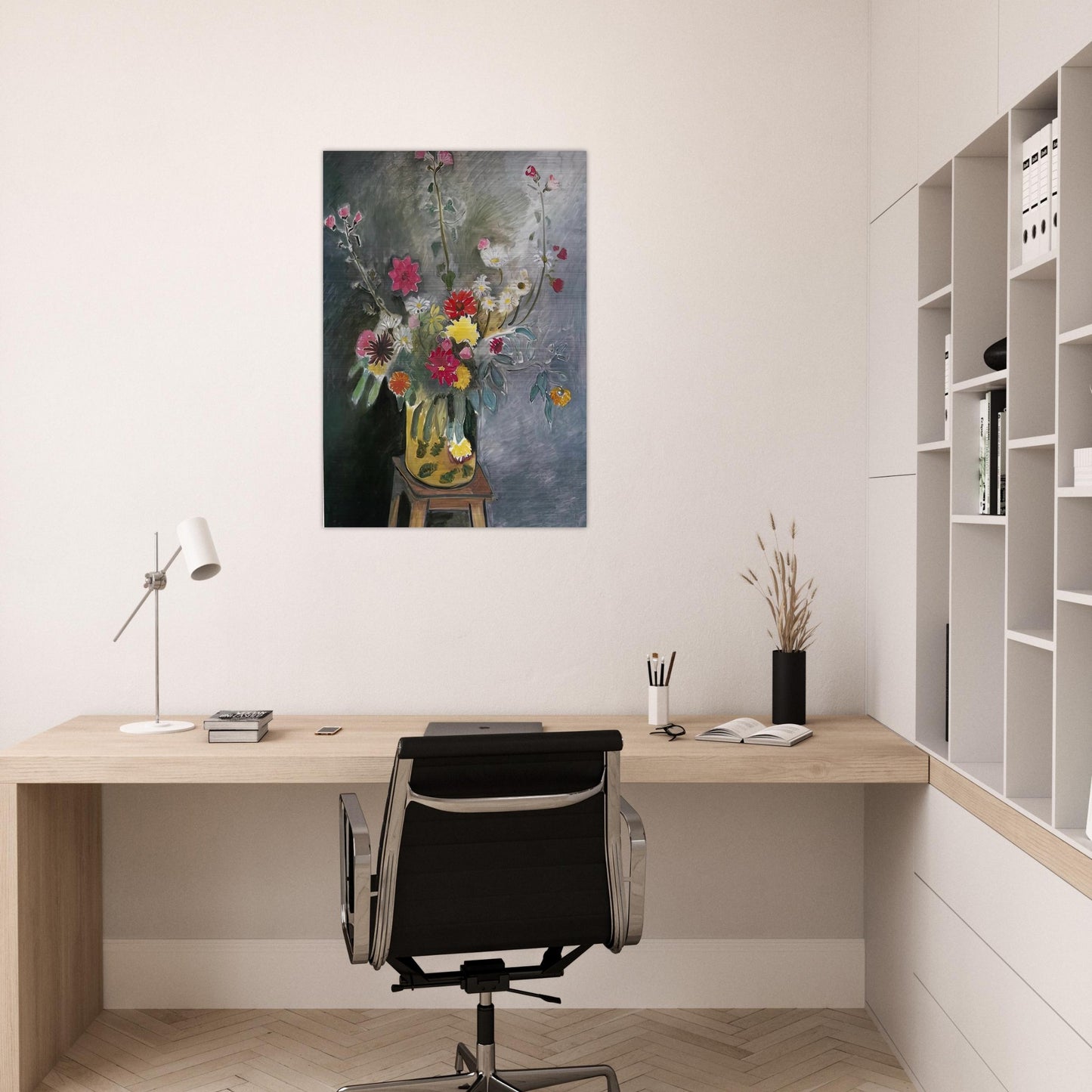
This is not a traditional paper print; it is an enduring piece of architectural art. RedKalion utilizes 3mm (0.12") Aluminum DIBOND® with a horizontal grain that provides a dynamic, metallic finish. The direct-to-surface printing process ensures vivid colors and a matte, glare-free finish. Notably, the unprinted white areas of Matisse's composition are left to reveal the natural brushed silver effect, allowing the metal’s texture to interact with the ambient light in your space.
- Archival Durability: The rigid DIBOND® base prevents warping and ensures longevity.
- Dynamic Visuals: The brushed silver finish adds a modern metallic shimmer to Matisse's 1917 palette.
- Seamless Installation: Each print includes a specialized hanging kit tailored to your region.
By choosing a RedKalion reproduction, you are investing in a museum-quality archival masterpiece that bridges the gap between early 20th-century modernism and 21st-century industrial design.


Discover Unlimited Art Possibilities
At RedKalion, you can find virtually any artwork from any artist, available in a wide range of sizes to perfectly match your space.
If you didn’t find what you’re looking for, contact us at support@redkalion.com . We will source any artwork and produce it in any size and format you need, including art prints, posters, canvas, framed pieces, framed canvas, and more.
For dedicated art enthusiasts, we also offer handcrafted replicas of any artwork, carefully painted by highly skilled artists using traditional techniques.
For custom requests, contact us at support@redkalion.com .
What is the unique visual effect of the brushed aluminum finish?
The brushed silver Aluminum DIBOND® features a horizontal grain. White areas of the Matisse design remain unprinted, allowing the metallic silver texture to shine through, creating a dynamic, light-reactive surface that changes depending on your viewing angle.
How does the 3mm Aluminum DIBOND® compare to traditional paper prints?
Unlike paper, this 3mm (0.12") substrate is incredibly rigid, durable, and lightweight. It provides a contemporary, frameless look that is resistant to environmental factors, making it a superior choice for long-term art preservation.
What mounting hardware is included with my Henri Matisse print?
Every order includes a high-quality hanging kit. The specific hardware varies based on the fulfillment country to ensure the most secure and aesthetically pleasing mounting solution for your specific wall type.
How long will this archival-grade reproduction last?
RedKalion prints are engineered for longevity. Using direct-print technology on AluDibond with high-quality inks, this reproduction is UV-resistant and designed to maintain its color integrity for decades without fading.
Where is this artwork produced and shipped from?
To minimize carbon footprint and ensure safety, we produce and ship our Henri Matisse prints from various global fulfillment centers, selecting the location closest to you for efficient, secure delivery.
What makes 'Bouquet of Mixed Flowers' (1917) a significant work in Matisse's career?
This 1917 work marks Matisse's transition toward his more naturalistic Nice period. It showcases his evolution in using color as a primary structural element, balancing the intensity of his Fauvist roots with a new sense of spatial harmony.
Why does the silver metallic effect work so well with Matisse's floral subjects?
The metallic grain of the aluminum enhances the rhythmic brushwork of the bouquet. It adds a modern, industrial counterpoint to the organic floral shapes, highlighting the timelessness of Matisse's floral compositions.