RedKalion
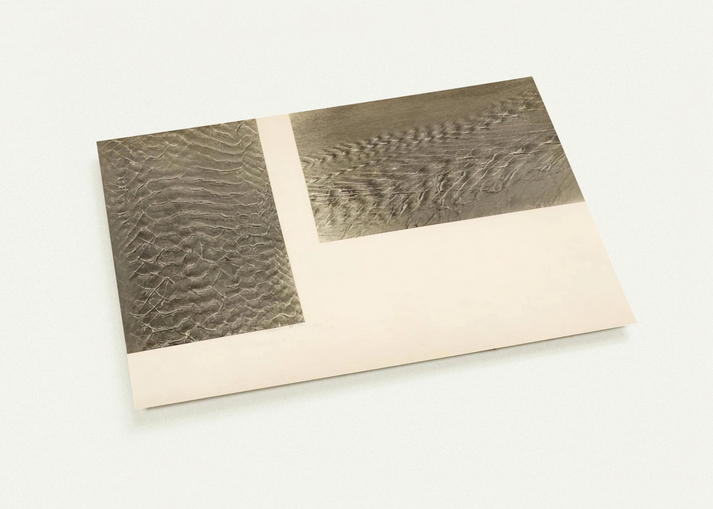
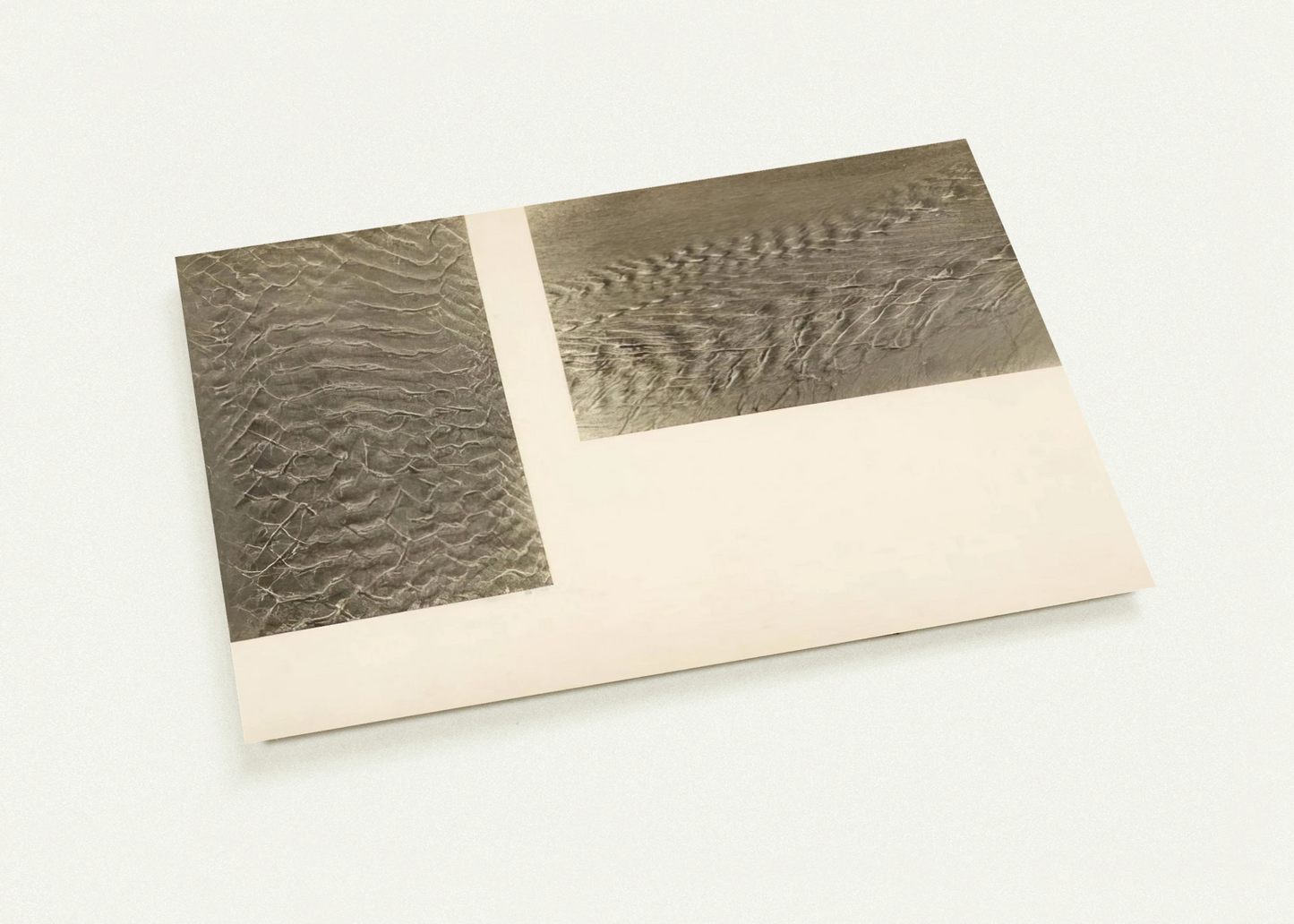
BRACKISH WATER BIARRITZ VIII 1929 By Josef Albers Pack of 10 Post Cards | Josef Albers Post Cards | A6 (10.5 x 14.8 cm) - 4.1 x 5.8 inches
BRACKISH WATER BIARRITZ VIII 1929 By Josef Albers Pack of 10 Post Cards | Josef Albers Post Cards | A6 (10.5 x 14.8 cm) - 4.1 x 5.8 inches
Couldn't load pickup availability
Refined Modernism: Brackish Water Biarritz VIII (1929) by Josef Albers
Elevate your correspondence with the intellectual rigor and structural beauty of Josef Albers. This pack of ten museum-quality postcards features Brackish Water Biarritz VIII (1929), a pivotal work from Albers' influential period between the Bauhaus Dessau and his later color theories. Captured during his time on the French coast, this composition explores the sophisticated interplay of light, water, and geometric abstraction that would eventually define 20th-century modernism.
At RedKalion, we treat every reproduction as a work of art. These postcards are not mere stationary; they are archival-grade prints produced using state-of-the-art 12-color fine art printing technology. Unlike standard 4-color commercial prints, our process ensures breathtaking depth, capturing the nuanced tonal shifts and precise lines intended by Albers himself. Each card is printed on premium 200 gsm (80 lb) FSC-certified paper, offering a substantial tactile feel and a smooth matte finish that eliminates glare while enhancing color fidelity.
Whether used for sophisticated personal messaging or displayed as a curated miniature gallery, these postcards represent the pinnacle of archival quality. By choosing RedKalion, you are investing in a sustainable, print-on-demand masterpiece that honors both the artist's legacy and our planet.
- Artist: Josef Albers
- Title: Brackish Water Biarritz VIII (1929)
- Format: Pack of 10 Flat Postcards
- Size: A6 (10.5 x 14.8 cm / 4.1 x 5.8 inches)
- Finish: Smooth Matte, 0.26 mm thickness
- Sustainability: FSC-certified, environmentally conscious materials
Discover Unlimited Art Possibilities
At RedKalion, you can find virtually any artwork from any artist, available in a wide range of sizes to perfectly match your space.
If you didn’t find what you’re looking for, contact us at support@redkalion.com . We will source any artwork and produce it in any size and format you need, including art prints, posters, canvas, framed pieces, framed canvas, and more.
For dedicated art enthusiasts, we also offer handcrafted replicas of any artwork, carefully painted by highly skilled artists using traditional techniques.
For custom requests, contact us at support@redkalion.com .
What printing technology is used for these Josef Albers postcards?
We utilize advanced 12-color fine art printing technology. This provides superior color vibrancy and accuracy compared to standard 4-color inkjet methods, ensuring each Josef Albers reproduction maintains its original depth and integrity.
What is the weight and texture of the postcard paper?
These postcards are printed on 200 gsm (80 lb) paper with a thickness of 0.26 mm. The smooth matte finish provides a clean, glare-free surface that is both luxurious to touch and visually stunning.
Are the materials used for these prints eco-friendly?
Yes. RedKalion is committed to sustainability. We use FSC-certified paper from responsibly managed forests and employ a print-on-demand model to reduce waste and eliminate overproduction.
How long will these archival prints last without fading?
Our postcards are printed with archival-grade inks on acid-free paper. This combination ensures long-term color stability and prevents yellowing, making them suitable for both mailing and framing as miniature art pieces.
Is there a minimum order requirement for these postcards?
No. We print every order on demand, allowing you to purchase exactly what you need without minimum order requirements, ensuring premium quality for every individual pack.
What was the historical inspiration behind Albers' Biarritz series?
In 1929, Albers visited Biarritz, France. This series reflects his fascination with the structural qualities of the coast, where he used photography and drawing to distill complex landscapes into minimalist, geometric compositions.
How does 'Brackish Water Biarritz VIII' reflect Albers' Bauhaus roots?
The work emphasizes the Bauhaus principle of 'economy of form.' By stripping away unnecessary detail, Albers focuses on the balance of shapes and the rhythmic relationship between elements, a hallmark of his modernist philosophy.