RedKalion
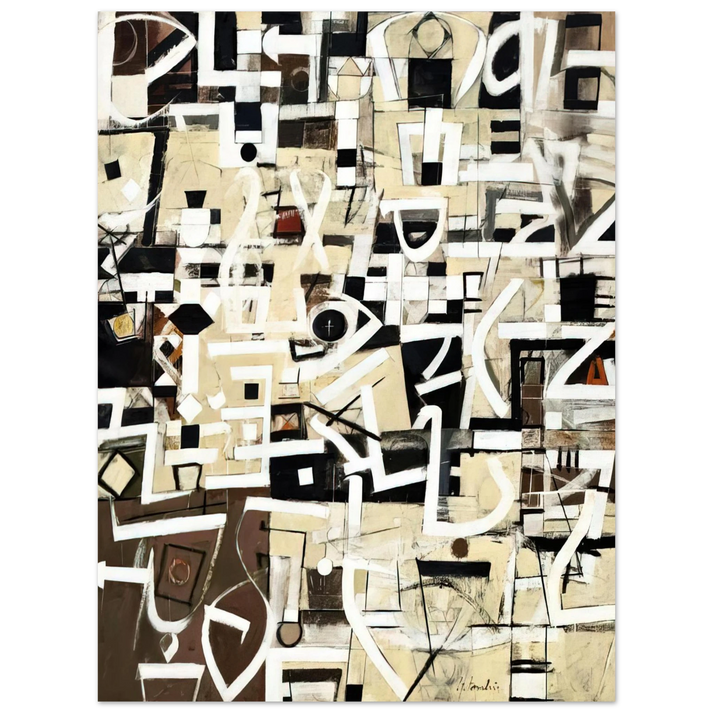
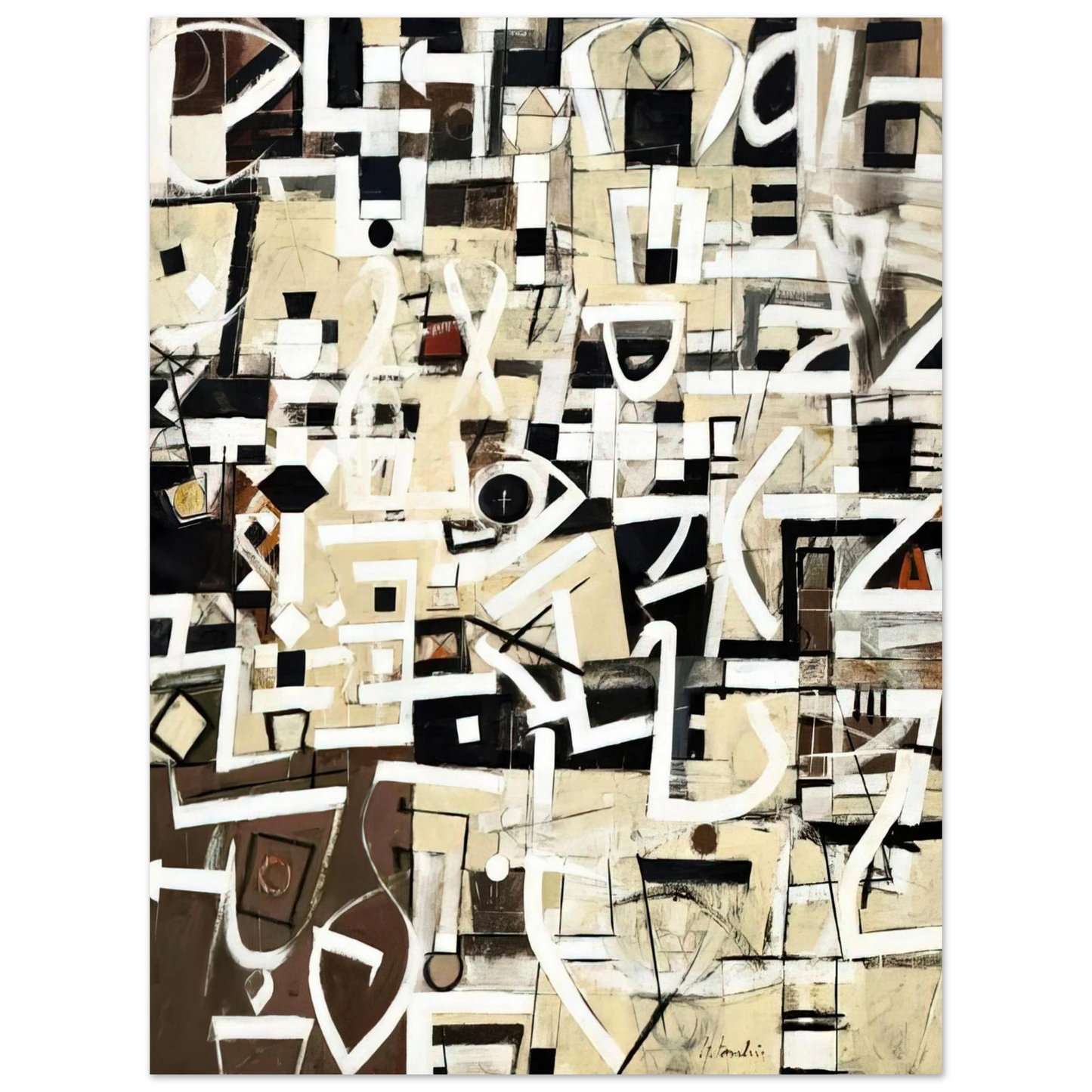
Bradley Walker Tomlin - Number 20 - 1949 75x100 cm / 30x40inches Fine Art Poster
Bradley Walker Tomlin - Number 20 - 1949 75x100 cm / 30x40inches Fine Art Poster
Couldn't load pickup availability
The Calligraphic Grace of Bradley Walker Tomlin’s Number 20 (1949)
Step into the intellectual heart of the New York School with Bradley Walker Tomlin’s Number 20 (1949). As a contemporary of Jackson Pollock and Mark Rothko, Tomlin carved a unique niche within Abstract Expressionism, favored for his rhythmic, ribbon-like calligraphic strokes and a sense of 'organized' poetic energy. This 75x100 cm (30x40 inches) masterpiece capture the precise moment when Tomlin moved away from Surrealist influence into pure, lyrical abstraction.
Museum-Quality Execution for the Discerning Collector
At RedKalion, we believe a work of this historical significance demands a physical medium of equal caliber. This fine art print is produced on our Master's Edition archival paper, a choice preferred by galleries worldwide for its longevity and tactile presence. The 250 gsm (110 lb) weight provides a substantial, premium feel, while the 0.29 mm thickness ensures your artwork remains flat and impressive when framed.
Technical Excellence and Sustainability
To preserve the subtle nuances of Tomlin's palette—the muted olives, deep blacks, and natural whites—we utilize an uncoated matte finish. This eliminates distracting glares, allowing the sophisticated texture of the acid-free (pH above 7) paper to shine through. Furthermore, our commitment to the environment is reflected in our use of FSC-certified paper, ensuring that your pursuit of beauty supports responsible forestry. This archival reproduction is designed to endure for generations without yellowing or degradation.
- Artist: Bradley Walker Tomlin
- Title: Number 20 (1949)
- Paper Type: Master's Edition Archival, 250 gsm
- Finish: Luxurious Matte, Natural White
- Dimensions: 75x100 cm / 30x40 inches
- Longevity: Acid-free to prevent aging and yellowing
Elevate your collection with a piece that balances the raw energy of Mid-Century modernism with a structured, archival elegance that only RedKalion provides.
Discover Unlimited Art Possibilities
At RedKalion, you can find virtually any artwork from any artist, available in a wide range of sizes to perfectly match your space.
If you didn’t find what you’re looking for, contact us at support@redkalion.com . We will source any artwork and produce it in any size and format you need, including art prints, posters, canvas, framed pieces, framed canvas, and more.
For dedicated art enthusiasts, we also offer handcrafted replicas of any artwork, carefully painted by highly skilled artists using traditional techniques.
For custom requests, contact us at support@redkalion.com .
What makes this Bradley Walker Tomlin print museum-quality?
We use Master's Edition archival paper, which is 250 gsm (110 lb) and acid-free. This ensures a thick, luxury feel and prevents the paper from yellowing or deteriorating over time, meeting the high standards of global art galleries.
How will the matte finish affect the appearance of Number 20?
The uncoated matte finish provides a luxurious, glare-free texture. It enhances the natural white tone of the paper and allows the calligraphic details of Tomlin's work to be viewed clearly from any angle without reflection.
Is this reproduction archival and fade-resistant?
Yes. Our prints use acid-free paper with a pH above 7. This chemical stability, combined with archival-grade printing, ensures the colors and paper integrity remain vibrant and intact for decades.
How is my order shipped and are there minimums?
There are no minimum order requirements. Each fine art poster is printed and shipped on demand in protective packaging to ensure it arrives at your door in pristine condition.
Is the paper sustainably sourced?
Absolutely. We exclusively use FSC-certified paper (Forest Stewardship Council), guaranteeing that the materials for your Bradley Walker Tomlin print come from responsibly managed forests that provide environmental and social benefits.
What is the significance of Number 20 in Tomlin's career?
Created in 1949, Number 20 represents Tomlin’s mastery of 'rhythmic calligraphy.' It bridges the gap between the chaotic energy of early Abstract Expressionism and a more structured, lyrical form of modern art.
What colors should I expect in this 1949 reproduction?
Expect a sophisticated palette of muted earth tones, olive greens, and deep charcoal blacks against a natural white background. The archival paper maintains the integrity of these subtle, mid-century pigments perfectly.