RedKalion
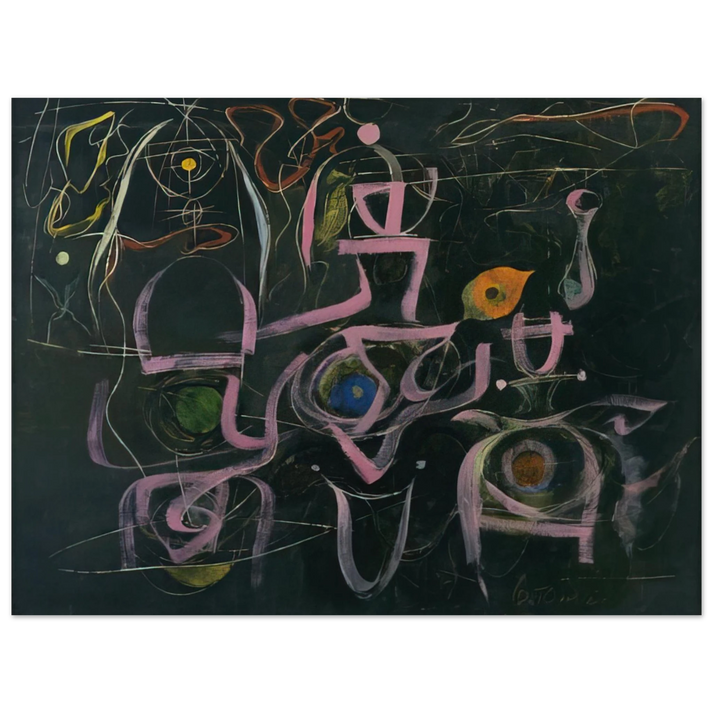
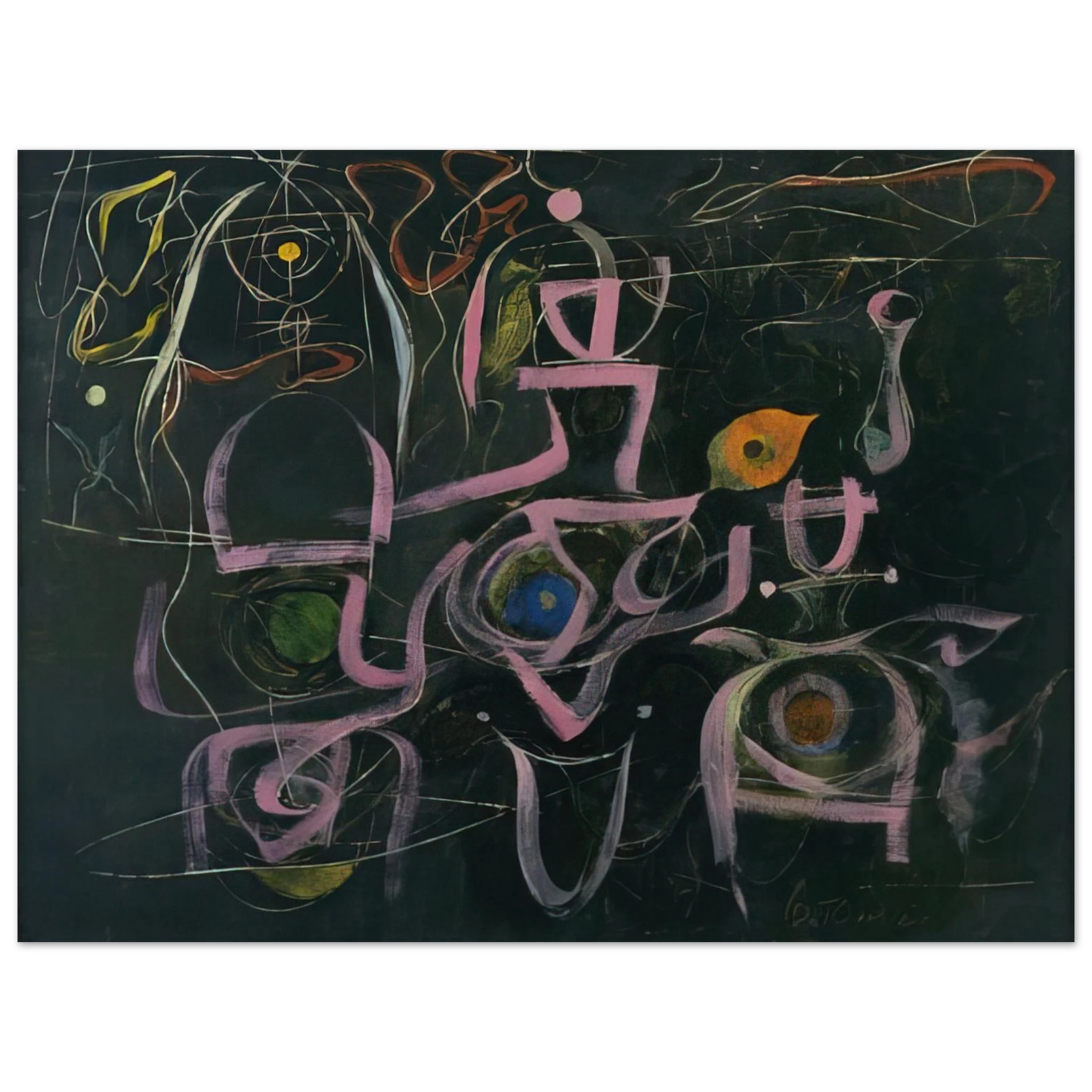
Bradley Walker Tomlin - Number 3 - 1948 75x100 cm / 30x40inches Fine Art Poster
Bradley Walker Tomlin - Number 3 - 1948 75x100 cm / 30x40inches Fine Art Poster
Couldn't load pickup availability
Rediscovering Abstract Expressionism: Bradley Walker Tomlin’s Number 3 (1948)
Step into the contemplative world of the New York School with this museum-quality fine art print of Bradley Walker Tomlin’s Number 3 (1948). As a contemporary of Pollock and Rothko, Tomlin carved a unique niche within Abstract Expressionism, masterfully balancing spontaneous energy with structured, calligraphic elegance. This 1948 masterpiece represents a critical moment in his career, where figurative elements dissolved into a rhythmic dance of glyph-like marks and architectural layers.
At RedKalion, we curate our reproductions to satisfy the most discerning collectors. This archival-grade masterpiece is printed on our exclusive Master's Edition archival paper. The natural white, off-white finish of the paper provides a sophisticated, luxurious texture that perfectly complements the subtle tonal shifts and intricate brushwork of Tomlin’s original composition. This is not a standard poster; it is a legacy reproduction designed to endure for generations.
Technical Excellence & Material Integrity
- Museum-Quality Paper: We utilize 250 gsm (110 lb) Master's Edition paper, ensuring a substantial weight and premium feel.
- Archival Longevity: Our acid-free (pH above 7) paper prevents yellowing and degradation, preserving the integrity of the abstract forms.
- Sophisticated Finish: The matte, uncoated surface eliminates glare, allowing the viewer to appreciate the depth of the 1948 composition from any angle.
- FSC-Certified: Our commitment to excellence includes environmental responsibility; all paper is sourced from sustainably managed forests.
By choosing this RedKalion reproduction, you are not merely decorating a space—you are investing in a piece of art history. This 75x100 cm (30x40 inches) print serves as a focal point of intellectual depth, elevating any interior with the quiet authority of mid-century modernism.
Discover Unlimited Art Possibilities
At RedKalion, you can find virtually any artwork from any artist, available in a wide range of sizes to perfectly match your space.
If you didn’t find what you’re looking for, contact us at support@redkalion.com . We will source any artwork and produce it in any size and format you need, including art prints, posters, canvas, framed pieces, framed canvas, and more.
For dedicated art enthusiasts, we also offer handcrafted replicas of any artwork, carefully painted by highly skilled artists using traditional techniques.
For custom requests, contact us at support@redkalion.com .
What defines the quality of this Bradley Walker Tomlin reproduction?
RedKalion uses 250 gsm Master's Edition archival paper. This museum-quality material ensures a luxurious, heavy feel and superior ink absorption for an authentic fine art aesthetic.
Will the colors of Number 3 - 1948 fade over time?
No. Our prints are made on acid-free paper with a pH above 7. This archival-grade process prevents yellowing and ensures the colors remain vibrant for decades.
Is the paper texture suitable for Abstract Expressionist art?
Absolutely. The matte, uncoated, natural white finish provides a sophisticated texture that enhances the depth and calligraphic marks of Tomlin’s unique abstract style without glare.
How is my order fulfilled and shipped?
Every print is produced on demand to ensure perfection. We ship in robust, protective packaging with no minimum order requirements, ensuring your artwork arrives in pristine condition.
Is this fine art print environmentally sustainable?
Yes. We use FSC-certified paper, ensuring that your artwork is produced using materials from responsibly managed forests that provide environmental and social benefits.
What was Bradley Walker Tomlin's role in the New York School?
Tomlin was a bridge between formal structure and gestural abstraction. He was highly respected by peers like Motherwell for his disciplined, rhythmic approach to the canvas.
What does the calligraphic style of Number 3 represent?
The glyph-like marks in Number 3 represent a transition toward a purely non-objective language, where the rhythm of the brushstroke becomes the primary subject of the work.