
RedKalion
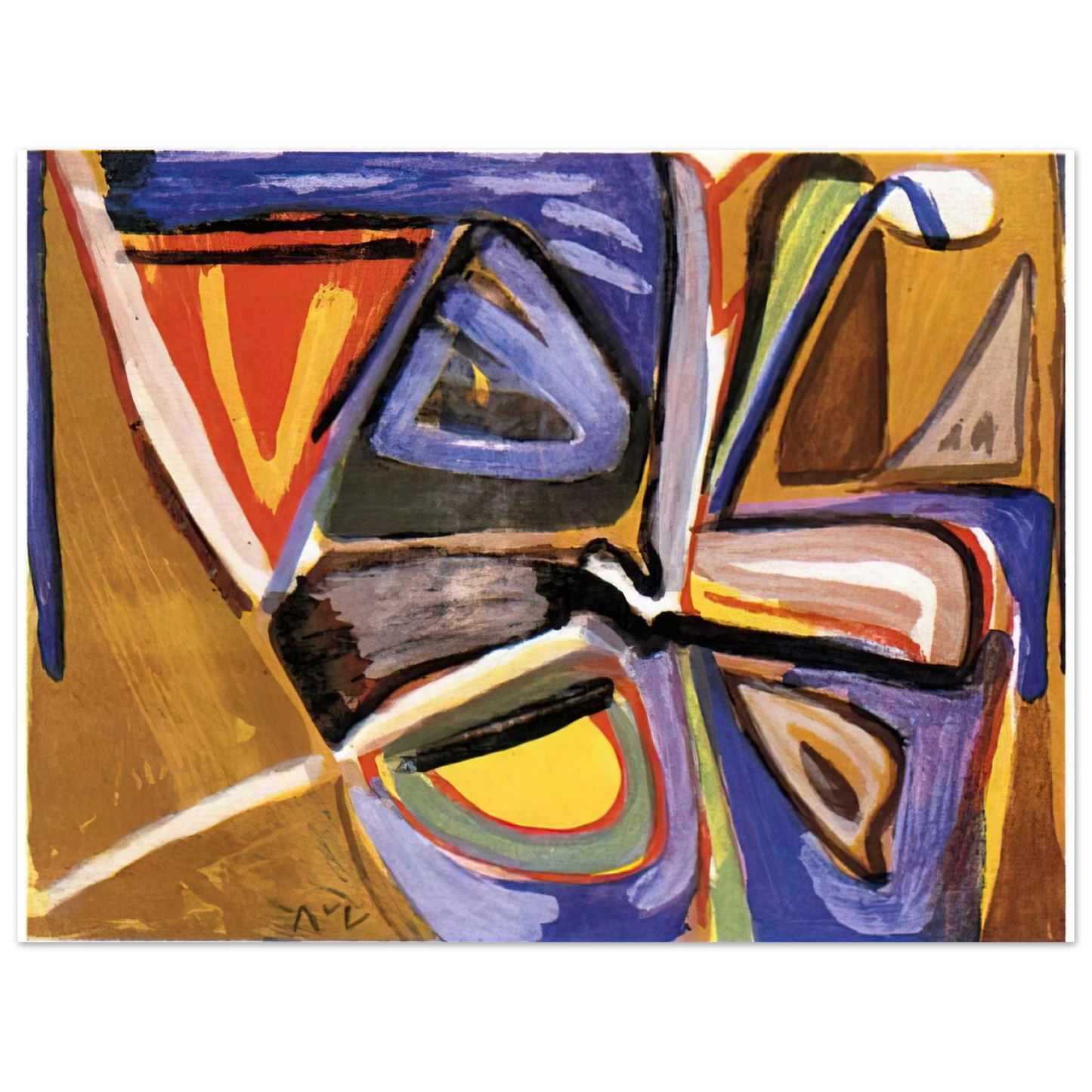
Bram van Velde - Le bonheur de Matisse - 1981 75x100 cm / 30x40inches Fine Art Poster
Bram van Velde - Le bonheur de Matisse - 1981 75x100 cm / 30x40inches Fine Art Poster
Couldn't load pickup availability
An Abstract Homage: Bram van Velde's 1981 Masterpiece
Experience the profound emotional depth of Bram van Velde's 'Le bonheur de Matisse' (1981). As one of the most significant figures in 20th-century gestural abstraction, Van Velde captures a unique tension between form and void. This late-career work serves as a sophisticated tribute to Henri Matisse, translating the vibrancy of color into a complex, lyrical composition that resonates with modern sensibilities.
Museum-Quality Fine Art for the Discerning Collector
At RedKalion, we believe world-class art deserves world-class materials. Our reproduction of this 1981 classic is rendered as a museum-quality fine art print, ensuring that every subtle shift in pigment and stroke is preserved with absolute fidelity. The matte, natural white finish eliminates glare, allowing the artwork's soul to speak directly to the viewer.
Superior Specifications & Archival Standards
- Paper: Master's Edition archival paper, specifically chosen for its luxurious texture and longevity.
- Weight: Robust 250 gsm (110 lb) for a premium, heavy-weight feel.
- Longevity: Acid-free (pH above 7) composition prevents yellowing, ensuring the print endures for generations.
- Sustainability: Printed on FSC-certified paper, reflecting our commitment to environmental responsibility.
- Finish: A refined matte surface that highlights the depth of Van Velde’s abstract language.
Elevate your interior space with an archival masterpiece that honors the legacy of Bram van Velde. Each print is produced on demand with the highest precision, arriving ready to be the focal point of your gallery-inspired home.
Discover Unlimited Art Possibilities
At RedKalion, you can find virtually any artwork from any artist, available in a wide range of sizes to perfectly match your space.
If you didn’t find what you’re looking for, contact us at support@redkalion.com . We will source any artwork and produce it in any size and format you need, including art prints, posters, canvas, framed pieces, framed canvas, and more.
For dedicated art enthusiasts, we also offer handcrafted replicas of any artwork, carefully painted by highly skilled artists using traditional techniques.
For custom requests, contact us at support@redkalion.com .
What is the quality of the paper used for this Bram van Velde print?
We use Master's Edition archival paper. At 250 gsm (110 lb), this museum-quality paper features a natural white, matte finish and is acid-free to ensure it remains pristine for decades.
How is the color reproduction managed for 'Le bonheur de Matisse'?
Each fine art print utilizes archival-grade inks and high-resolution imaging to capture the precise gestural nuances and color palette of Van Velde's original 1981 composition.
Is this print sustainable?
Yes, all our prints use FSC-certified paper. We print on demand to reduce waste and ship through localized fulfillment to minimize our carbon footprint.
Does the poster come with a frame?
This listing is for the high-quality fine art poster only. This allows you to select a custom frame that perfectly matches your personal interior design style.
How long will this archival print last without fading?
Because the paper is acid-free and buffered with a pH above 7, it resists yellowing and degradation, offering gallery-standard longevity for your collection.
What is the significance of the title 'Le bonheur de Matisse'?
The title refers to the 'happiness' of Henri Matisse. Van Velde, often associated with a more melancholic abstraction, uses this piece as a stylistic dialogue with Matisse's legendary use of color.
When was this specific Bram van Velde work created?
Bram van Velde created 'Le bonheur de Matisse' in 1981, during the final chapter of his life, representing his mature mastery of abstract form.