RedKalion
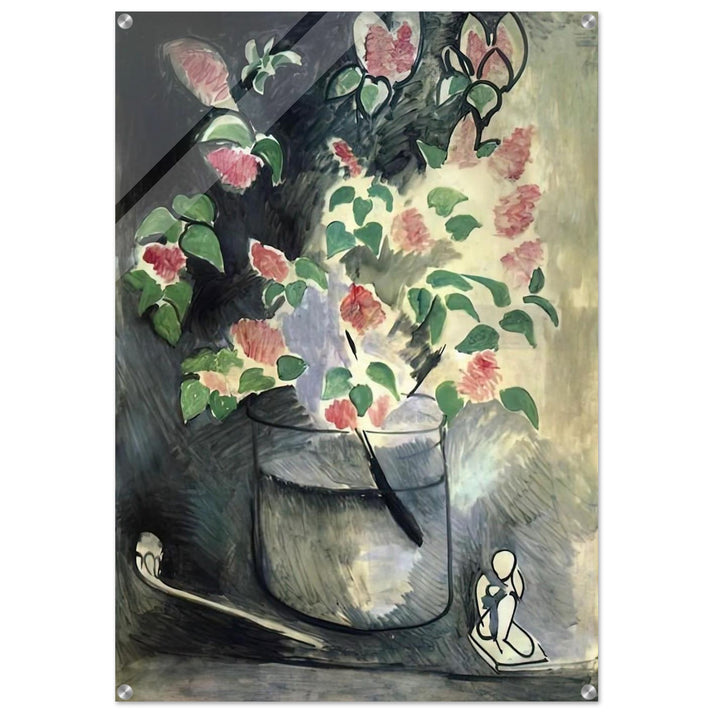
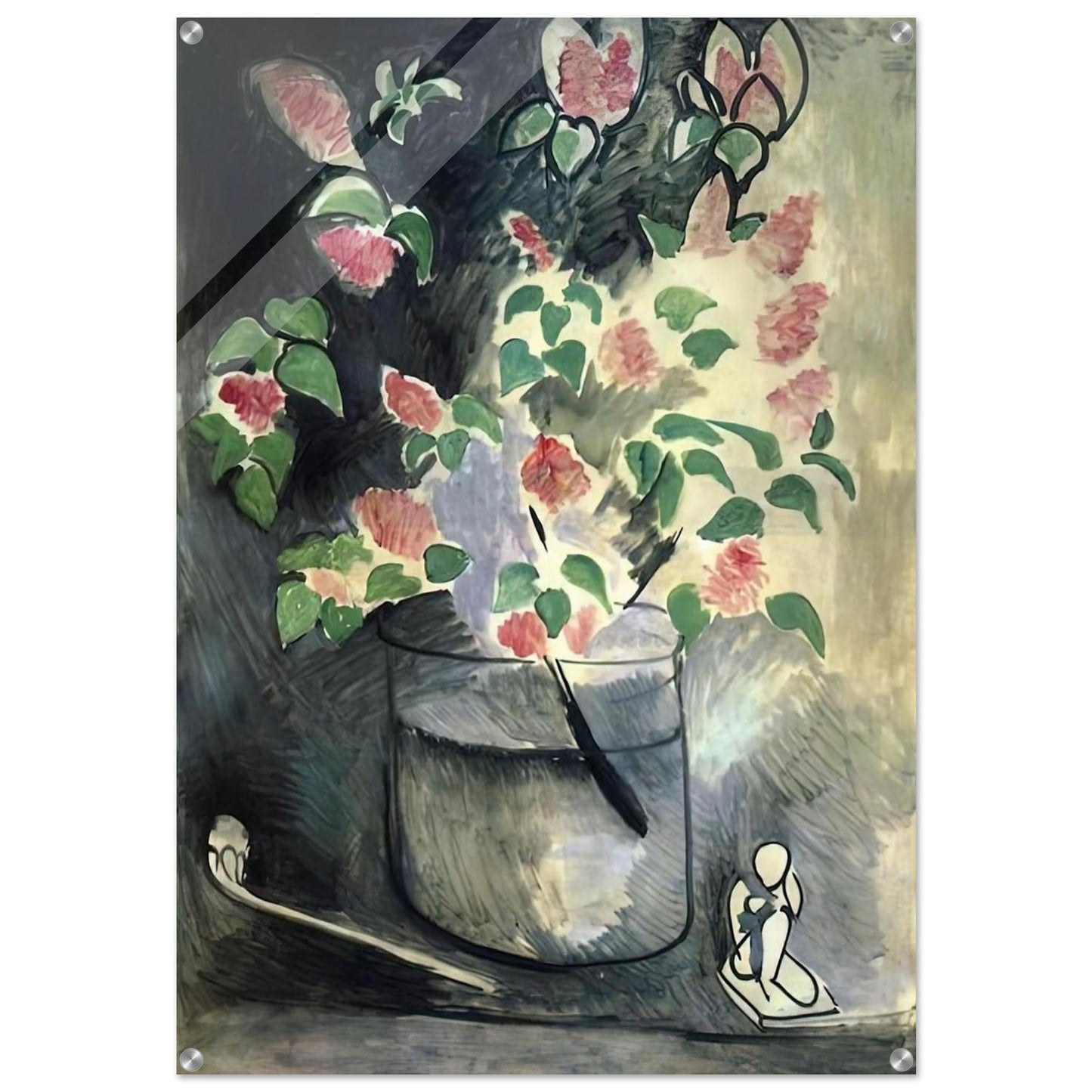
BRANCH OF LILLACS 1914 - Henri Matisse Acrylic Print - 70x100 cm / 28x40″ inches | Henri Matisse Wall Art | Henri Matisse Prints
BRANCH OF LILLACS 1914 - Henri Matisse Acrylic Print - 70x100 cm / 28x40″ inches | Henri Matisse Wall Art | Henri Matisse Prints
Couldn't load pickup availability
Embrace Modernist Radiance with Matisse’s Branch of Lilacs (1914)
Infuse your interior with the vibrant energy of Henri Matisse’s Branch of Lilacs (1914), a masterpiece that captures the artist's transition toward structural harmony and expressive color. This museum-quality reproduction transforms a pivotal moment in art history into a breathtaking focal point for the modern home. At RedKalion, we curate only the finest Henri Matisse wall art, ensuring that the soul of the original work is preserved with archival precision.
The Artistry of Henri Matisse
In 1914, Matisse was refining his unique visual language, moving beyond the raw intensity of Fauvism toward a more meditative and rhythmic composition. Branch of Lilacs exemplifies his mastery of light; the delicate blooms are rendered with fluid brushstrokes that evoke the fleeting beauty of nature. As an elite fine art print, this piece demonstrates Matisse's belief that art should be 'a soothing influence on the mind,' offering a sense of serenity and intellectual depth to any curated space.
Superior Acrylic Craftsmanship by RedKalion
Our Henri Matisse prints are reimagined through a sophisticated 4mm (0.15") acrylic medium, providing a depth and luminosity that traditional canvas cannot match. This premium material enhances the color saturation and clarity of Matisse’s palette, creating a sleek, glass-like finish that demands attention.
- Vivid Depth: The 4mm acrylic construction provides a stunning 3D effect, drawing the viewer into the floral arrangement.
- Modern Aesthetic: Features clean, straight-cut corners and a minimalist profile that complements contemporary architecture.
- Professional Mounting: Each print includes a dedicated hanging kit with high-quality screws and pre-drilled holes for a secure, flush installation.
- Archival Durability: Designed to resist fading and environmental wear, ensuring your investment remains a family heirloom.
Elevate your collection with a Henri Matisse acrylic print that marries historical significance with cutting-edge presentation. RedKalion remains the definitive choice for those who demand uncompromising quality in archival-grade art reproductions.
Discover Unlimited Art Possibilities
At RedKalion, you can find virtually any artwork from any artist, available in a wide range of sizes to perfectly match your space.
If you didn’t find what you’re looking for, contact us at support@redkalion.com . We will source any artwork and produce it in any size and format you need, including art prints, posters, canvas, framed pieces, framed canvas, and more.
For dedicated art enthusiasts, we also offer handcrafted replicas of any artwork, carefully painted by highly skilled artists using traditional techniques.
For custom requests, contact us at support@redkalion.com .
What makes the acrylic material superior for a Matisse print?
Our 4mm acrylic offers unparalleled color vibrancy and depth. It protects the artwork from UV rays while providing a sleek, modern finish that enhances Matisse’s expressive palette compared to standard paper prints.
How is the Henri Matisse Branch of Lilacs print installed?
Each print includes a professional hanging kit with screws. The acrylic features four pre-drilled holes (14mm from edges) for a secure and stylish installation that sits perfectly against your wall.
How does RedKalion handle shipping for large acrylic prints?
We utilize specialized protective packaging to ensure your 70x100 cm print arrives in pristine condition. All shipments are insured and handled by premium carriers experienced in transporting fine art.
Will the colors of my acrylic print fade over time?
No. RedKalion uses archival-grade inks and UV-resistant acrylic. This ensures your Matisse reproduction maintains its original brilliance and saturation for decades, even in well-lit environments.
Are the corners of the print rounded or straight?
To maintain a sharp, contemporary gallery look, this print features precision straight-cut corners. This design aligns perfectly with the minimalist aesthetic of modern high-end interiors.
What is the historical significance of Branch of Lilacs (1914)?
Created at the dawn of WWI, this piece represents Matisse's shift toward more structured, 'essential' forms. It marks a transition from the wildness of Fauvism to a more disciplined, modern clarity.
Why is 1914 considered a pivotal year for Henri Matisse?
In 1914, Matisse experimented with geometric simplification and darker tones, influenced by Cubism. Branch of Lilacs remains a rare example of his continued devotion to floral light during this complex era.