RedKalion
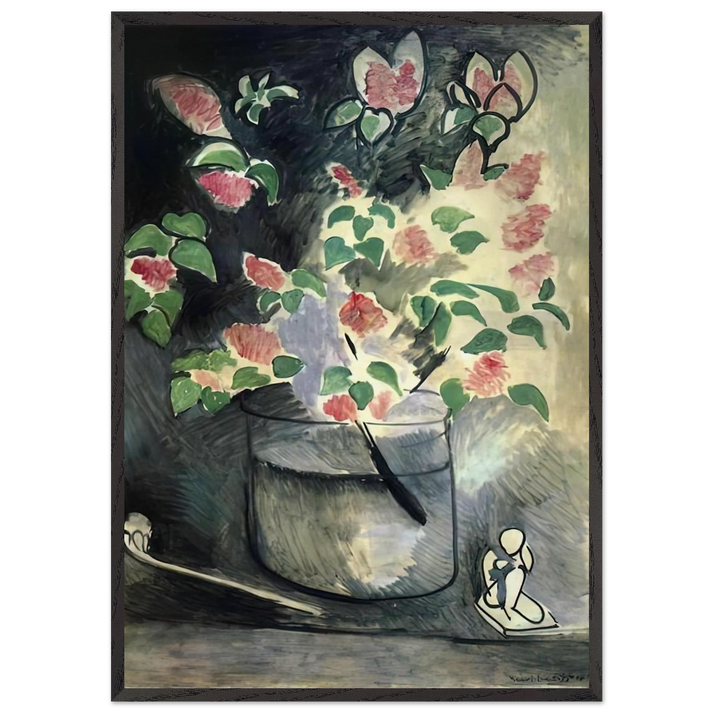
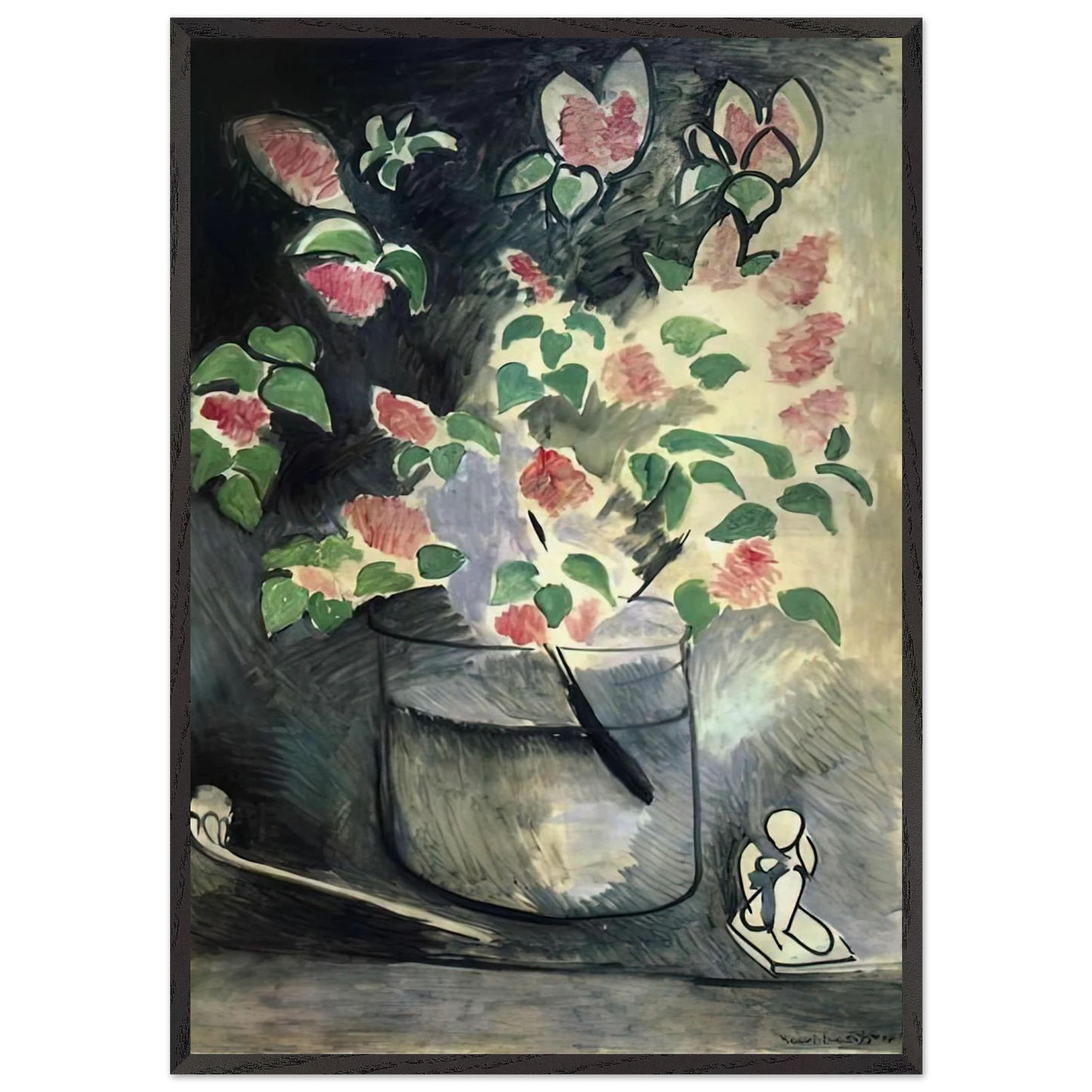
BRANCH OF LILLACS 1914 - Henri Matisse 70x100 cm / 28x40 inches Framed Art Print – Black Wooden Frame
BRANCH OF LILLACS 1914 - Henri Matisse 70x100 cm / 28x40 inches Framed Art Print – Black Wooden Frame
Couldn't load pickup availability
The Vibrancy of Renewal: Henri Matisse’s 1914 Branch of Lilacs
Henri Matisse’s 1914 masterpiece, Branch of Lilacs, captures a singular moment in the artist's career—a period of intense experimentation on the cusp of the First World War. This fine art print showcases Matisse’s shift from the raw intensity of Fauvism toward a more structured, decorative lyricism. By isolating the floral subject, Matisse invites the viewer into a serene, contemplative space, where color serves as the primary vessel for emotion.
At RedKalion, we honor this legacy with a museum-quality reproduction that preserves every nuance of Matisse's brushwork. Printed on heavy 250 gsm (110 lb) natural white paper, this archival piece offers a sophisticated matte finish that eliminates glare, allowing the deep greens and soft lavenders to resonate with historical accuracy and depth.
Our commitment to premium craftsmanship includes:
- Expert Curation: Faithfully reproduced to capture the expressive spirit of French Modernism and Matisse's unique palette.
- Premium Framing: Encased in a responsibly sourced 20mm (0.79") thick black frame made from solid oak or ash wood, providing a robust and elegant profile.
- Archival Longevity: FSC-certified, acid-free museum-quality paper ensures the vibrancy of the lilacs endures for generations without yellowing.
- Gallery Ready: Arrives fully assembled with a professional hanging kit for an effortless installation in your home or office.
Elevate your interior with a piece that balances historical weight with timeless elegance. This large-format 70x100 cm print transforms any room into a personal gallery, celebrating the enduring genius of Henri Matisse through RedKalion’s archival standards.
Discover Unlimited Art Possibilities
At RedKalion, you can find virtually any artwork from any artist, available in a wide range of sizes to perfectly match your space.
If you didn’t find what you’re looking for, contact us at support@redkalion.com . We will source any artwork and produce it in any size and format you need, including art prints, posters, canvas, framed pieces, framed canvas, and more.
For dedicated art enthusiasts, we also offer handcrafted replicas of any artwork, carefully painted by highly skilled artists using traditional techniques.
For custom requests, contact us at support@redkalion.com .
What are the specifications of the paper used for this Matisse print?
We use archival museum-quality paper weighing 250 gsm (110 lb). It features a natural white, matte, and uncoated finish, ensuring deep color saturation and no glare under interior lighting.
Is the frame made of real wood?
Yes, the frame is crafted from responsibly sourced, solid oak or ash wood. It measures 20mm (0.79") in both thickness and width, offering a premium look compared to standard 14mm frames.
How is the artwork protected during shipping and on the wall?
Each print is protected by shatterproof, transparent plexiglass. It arrives ready-to-hang with a pre-installed hanging kit and is shipped in robust, protective packaging to ensure it reaches you in perfect condition.
Will the colors in 'Branch of Lilacs' fade over time?
No. By using archival-grade, acid-free paper and high-pigment inks, our prints are designed to resist yellowing and fading, preserving Matisse's original vision for decades.
Is the framing material environmentally friendly?
Absolutely. We use FSC-certified wood and paper or equivalent sustainable certifications, ensuring your fine art print supports responsible forest management practices.
What is the significance of the year 1914 in Matisse's work?
1914 was a pivotal transition for Matisse. While still influenced by Fauvism, his work began to lean toward more geometric and structural forms, a response to the evolving modernist movement in Europe.
What does the 'Branch of Lilacs' symbolize in this piece?
Matisse used floral subjects to explore the relationship between color and space. The lilacs represent a moment of natural tranquility and a study in tonal harmony rather than just a literal botanical representation.