RedKalion
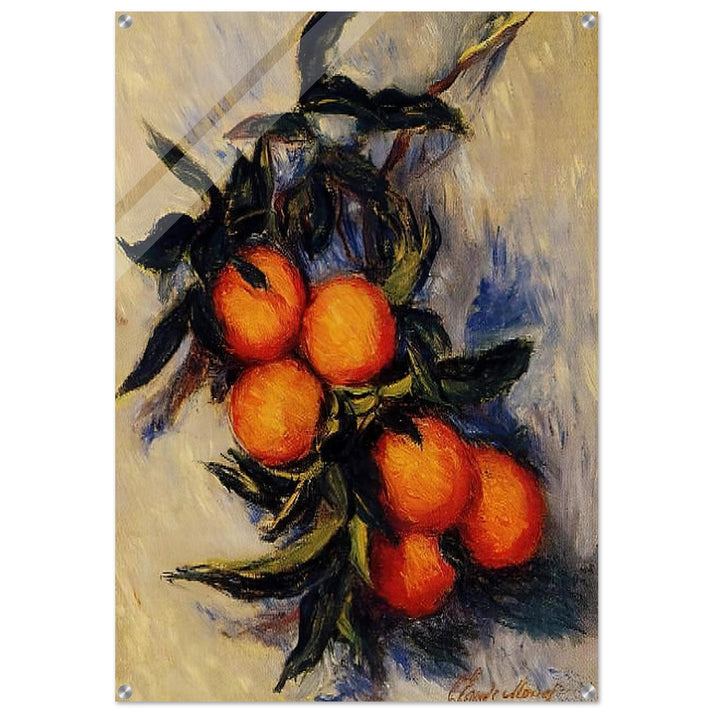
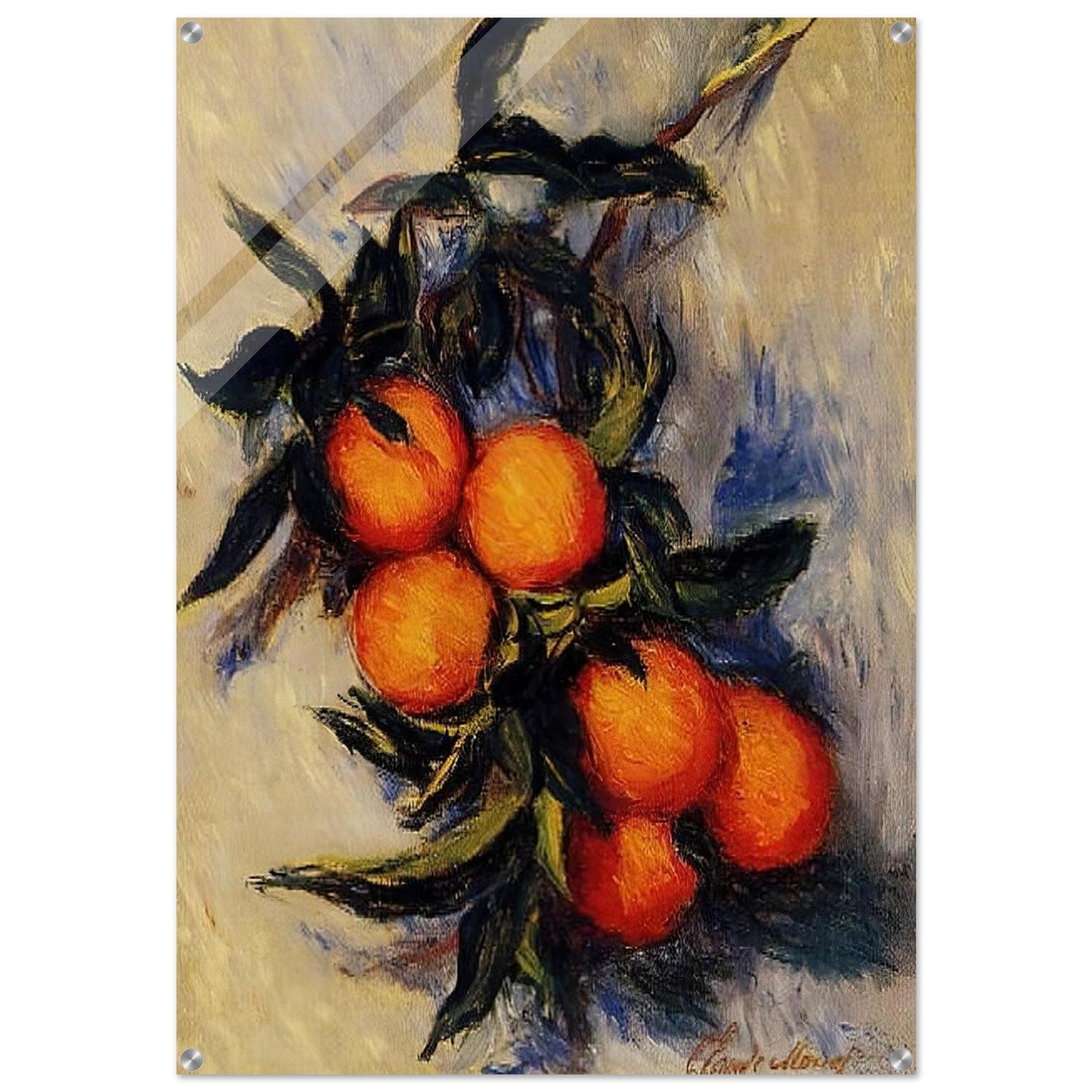
Branch of Orange Bearing Fruit - claude monet Acrylic Print - 70x100 cm / 28x40″ inches
Branch of Orange Bearing Fruit - claude monet Acrylic Print - 70x100 cm / 28x40″ inches
Couldn't load pickup availability
Experience the Luminosity of Claude Monet’s 'Branch of Orange Bearing Fruit'
Invite the radiant warmth of the Mediterranean into your collection with this exquisite museum-quality reproduction of Claude Monet’s 'Branch of Orange Bearing Fruit'. Originally painted during his transformative travels through the French Riviera, this piece captures the vibrant interplay between sunlight and organic form. At RedKalion, we have meticulously curated this fine art print to ensure that every nuanced brushstroke and color transition of the original Impressionist masterpiece is preserved.
This archival-grade acrylic print offers a depth and clarity that traditional paper cannot achieve. Utilizing 4mm (0.15") premium acrylic, the artwork takes on a luminous, glass-like quality that intensifies the citrus hues and the lush greens of the foliage. The result is a sophisticated focal point that balances the historical weight of 19th-century mastery with the sleek aesthetics of modern interior design.
- Exceptional Depth: 4mm thick acrylic provides a vibrant, high-definition finish.
- Sophisticated Design: Features straight-cut corners for a clean, contemporary silhouette.
- Archival Quality: Engineered to withstand the test of time, resisting fading and environmental wear.
- Effortless Installation: Includes a full hanging kit with hardware and pre-drilled holes for a secure, professional mount.
Monet’s 'Branch of Orange Bearing Fruit' is more than a still life; it is a study of atmosphere and fleeting light. By choosing a RedKalion reproduction, you are acquiring an enduring piece of art history, presented with the technical precision required for the most discerning galleries.
Discover Unlimited Art Possibilities
At RedKalion, you can find virtually any artwork from any artist, available in a wide range of sizes to perfectly match your space.
If you didn’t find what you’re looking for, contact us at support@redkalion.com . We will source any artwork and produce it in any size and format you need, including art prints, posters, canvas, framed pieces, framed canvas, and more.
For dedicated art enthusiasts, we also offer handcrafted replicas of any artwork, carefully painted by highly skilled artists using traditional techniques.
For custom requests, contact us at support@redkalion.com .
What material is used for this Claude Monet print?
The artwork is printed on 4mm (0.15") premium acrylic, offering a sleek, vibrant, and durable finish that enhances color depth and mimics the clarity of glass.
Is the mounting hardware included with the acrylic print?
Yes, each print includes a complete hanging kit with screws and hardware. The acrylic features pre-drilled holes 14mm from each edge for a secure installation.
How does the acrylic enhance the artwork's appearance?
The 4mm acrylic creates a luminous effect, making the colors of Monet's palette appear more vibrant while providing a contemporary look with straight-cut corners.
How are transparent areas handled in the printing process?
For optimal visual presentation, any transparent backgrounds in the original image are defaulted to white, ensuring the oranges and foliage remain the focal point.
How should I maintain and clean my acrylic fine art print?
To preserve the archival quality, use a soft, damp microfiber cloth. Avoid harsh chemicals or abrasive materials to maintain the sleek, scratch-resistant surface.
Where did Claude Monet paint the original 'Branch of Orange Bearing Fruit'?
This piece was inspired by Monet's time in Bordighera and the Mediterranean coast in 1884, where he was captivated by the brilliant light and citrus groves.
What technique did Monet use to capture the oranges?
Monet utilized rapid, broken brushstrokes and a vibrant palette of complementary colors to capture the 'envelope' of light surrounding the fruit, a hallmark of Impressionism.