

RedKalion
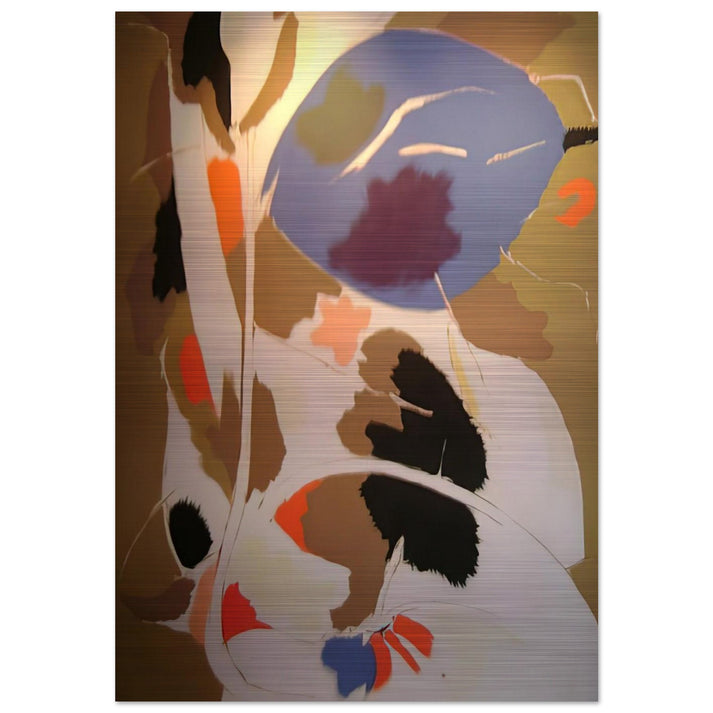
Branches - 1955 - John Ferren Brushed Aluminum Print - 70x100 cm / 28x40 inches | John Ferren Aluminum Print | John Ferren Prints
Branches - 1955 - John Ferren Brushed Aluminum Print - 70x100 cm / 28x40 inches | John Ferren Aluminum Print | John Ferren Prints
Couldn't load pickup availability
Elevate Your Space with John Ferren’s 1955 Masterpiece: 'Branches'
Experience the profound intersection of organic form and mid-century abstraction with this museum-quality reproduction of John Ferren’s 'Branches' (1955). A leading figure in the American Abstract Expressionist movement, Ferren was celebrated for his unique ability to synthesize European formalist traditions with the raw, spiritual energy of the New York School. This specific work, 'Branches', serves as a rhythmic exploration of line and space, echoing the Zen-like tranquility Ferren sought during his mature period.
At RedKalion, we have paired this iconic work with a medium that mirrors its innovative spirit: Brushed Silver Aluminum DIBOND®. This 3mm (0.12") rigid base provides a sophisticated, contemporary foundation for Ferren’s dynamic strokes. The horizontal grain of the aluminum interacts with the light, creating a sense of movement that shifts as you move through the room, perfectly complementing the botanical themes of the artwork.
Premium Technical Specifications
- Authentic Texture: The brushed silver finish features a visible horizontal grain, adding a metallic, industrial-chic depth to the print.
- Matte Finish: Our state-of-the-art direct printing process ensures a glare-free, matte surface, allowing for optimal viewing under any lighting conditions.
- Metallic White Effect: In this unique process, white areas of the original composition are not printed; instead, the raw brushed aluminum shines through, providing a striking silver effect.
- Archival Durability: Constructed from a high-quality DIBOND® composite, this print is engineered for longevity and resistance to warping.
- Ready to Display: Each piece includes a specialized hanging kit tailored to your region, ensuring a seamless and secure installation.
By selecting this John Ferren aluminum print, you are not merely purchasing wall decor; you are investing in a curated piece of art history, reproduced with archival precision to endure for generations.


Discover Unlimited Art Possibilities
At RedKalion, you can find virtually any artwork from any artist, available in a wide range of sizes to perfectly match your space.
If you didn’t find what you’re looking for, contact us at support@redkalion.com . We will source any artwork and produce it in any size and format you need, including art prints, posters, canvas, framed pieces, framed canvas, and more.
For dedicated art enthusiasts, we also offer handcrafted replicas of any artwork, carefully painted by highly skilled artists using traditional techniques.
For custom requests, contact us at support@redkalion.com .
What material is used for the John Ferren 'Branches' print?
We use a premium 3mm (0.12") brushed silver Aluminum DIBOND® with a horizontal grain. This provides a rigid, durable base with a sophisticated metallic finish that enhances the artwork’s depth.
How does the metallic silver effect work on this piece?
In our printing process, white areas of the image are left unprinted. This allows the raw brushed aluminum to show through, creating a unique silver metallic effect that reacts beautifully to light.
Is the print protected against glare?
Yes, the print features a matte, glare-free finish. This makes it an ideal choice for rooms with high natural light or overhead lighting, ensuring the details remain visible from all angles.
Is a hanging kit included with my purchase?
Absolutely. Every RedKalion aluminum print comes with a specialized hanging kit. The specific hardware provided is optimized based on the fulfillment center nearest to you to ensure safe installation.
Will the colors of 'Branches' remain vibrant over time?
Our direct-to-substrate printing method uses high-quality archival inks designed for UV resistance. This ensures that the vivid tones and subtle details of Ferren’s work are preserved for the long term.
Who was John Ferren and why is his 1955 work significant?
John Ferren was a prominent American abstract artist. His 1955 period, including 'Branches', represents a shift toward nature-inspired abstraction, blending his Parisian training with the vibrant energy of American Abstract Expressionism.
What is the significance of the year 1955 in this artwork?
By 1955, Ferren was exploring the 'inner light' of color. 'Branches' exemplifies this era's move away from rigid geometry toward a more fluid, rhythmic interpretation of the natural world.