RedKalion
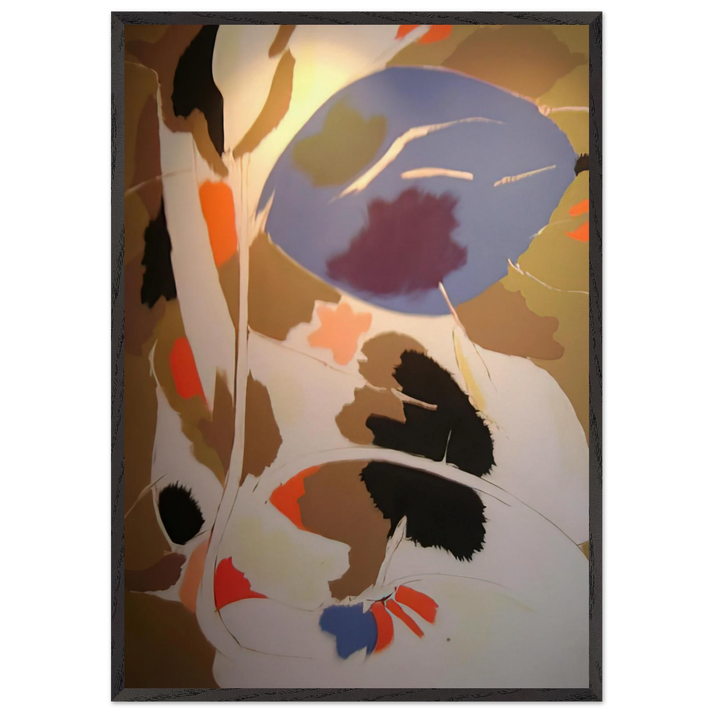
Branches - 1955 - John Ferren 70x100 cm / 28x40 inches Framed Art Print – Black Wooden Frame
Branches - 1955 - John Ferren 70x100 cm / 28x40 inches Framed Art Print – Black Wooden Frame
Couldn't load pickup availability
Elevate Your Space with John Ferren's Lyrical Abstraction
Experience the sophisticated harmony of Branches - 1955 - John Ferren, a masterwork that captures the intersection of organic rhythm and abstract expressionism. John Ferren, a pivotal figure in the American abstract movement, transitioned during the 1950s from rigid geometric forms to a more fluid, 'Zen-like' lyricism. This 1955 composition is a testament to that evolution, utilizing energetic brushwork and a balanced palette to evoke the structural essence of nature without literal representation.
At RedKalion, we specialize in archival-grade reproductions that honor the artist's original intent. This museum-quality print is meticulously produced on 250 gsm (110 lb) natural white paper. The uncoated, matte finish ensures that the depth of color and subtle textures of Ferren's brushstrokes are preserved without the distraction of glare, providing an authentic viewing experience from every angle.
Premium Craftsmanship and Sustainable Elegance
This fine art print arrives encased in a substantial black wooden frame, crafted from responsibly sourced oak and ash. To ensure a presence of authority on your wall, our frames measure 20mm (0.79") in width and thickness—significantly sturdier than the 14mm industry standard. This architectural framing choice provides a clean, modern border that complements the mid-century aesthetic of Ferren's work.
- Museum-Quality Paper: 250 gsm archival-grade, natural white, and FSC-certified for longevity and sustainability.
- Shatterproof Protection: High-clarity plexiglass protects the artwork while ensuring safety in any environment.
- Artisan Framing: 20mm black wooden frame made from premium oak/ash.
- Ready to Display: Includes a professional hanging kit for immediate installation.
By choosing a RedKalion reproduction, you are investing in a piece of art history designed to endure for generations. Our commitment to archival materials and precise color management ensures that Branches remains a vibrant centerpiece in your collection, reflecting both your discerning taste and an appreciation for 20th-century American modernism.

Discover Unlimited Art Possibilities
At RedKalion, you can find virtually any artwork from any artist, available in a wide range of sizes to perfectly match your space.
If you didn’t find what you’re looking for, contact us at support@redkalion.com . We will source any artwork and produce it in any size and format you need, including art prints, posters, canvas, framed pieces, framed canvas, and more.
For dedicated art enthusiasts, we also offer handcrafted replicas of any artwork, carefully painted by highly skilled artists using traditional techniques.
For custom requests, contact us at support@redkalion.com .
What kind of paper is used for this John Ferren print?
We use 250 gsm (110 lb) museum-quality, natural white paper. It is uncoated and matte, ensuring high-definition detail and vibrant color reproduction without the glare common in lower-quality prints.
What are the specifications of the black wooden frame?
The frame is crafted from FSC-certified oak and ash. It measures 20mm (0.79") in width and thickness, providing a more robust and premium profile than standard 14mm frames.
Is this artwork archival and fade-resistant?
Yes, RedKalion utilizes archival-grade materials and acid-free museum-quality paper. This ensures the 1955 John Ferren print maintains its color integrity and resists yellowing for decades.
Is the artwork ready to hang upon arrival?
Absolutely. Your framed art print includes a high-quality hanging kit and is delivered ready to be displayed on your wall immediately upon unboxing.
How is the print protected during shipping?
The artwork is shielded by shatterproof plexiglass and secured in specialized protective packaging to ensure it reaches your home in pristine, museum-ready condition.
What is the significance of John Ferren's "Branches" (1955)?
In 1955, Ferren was exploring a more lyrical, organic style of Abstraction Expressionism. "Branches" reflects his interest in capturing the vitality and structural essence of the natural world through non-objective forms.
Why was John Ferren an important figure in modern art?
John Ferren was a bridge between European modernism and American Abstract Expressionism. His unique focus on color theory and balanced composition earned him a reputation as an 'intellectual' painter within the movement.