

RedKalion
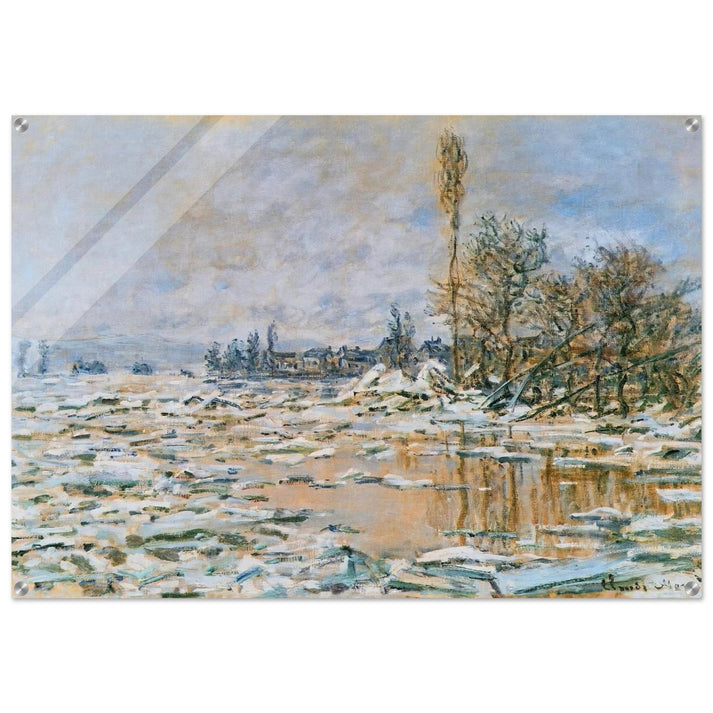
Breakup of Ice, Lavacourt, Grey Weather - claude monet Acrylic Print - 70x100 cm / 28x40″ inches | claude monet Wall Art | claude monet Prints
Breakup of Ice, Lavacourt, Grey Weather - claude monet Acrylic Print - 70x100 cm / 28x40″ inches | claude monet Wall Art | claude monet Prints
Couldn't load pickup availability
Claude Monet: A Masterpiece of Light and Ice
In the winter of 1879–1880, the Seine froze solid. When the thaw finally began, Claude Monet captured the violent yet poetic movement of the ice in his iconic work, Breakup of Ice, Lavacourt, Grey Weather. This museum-quality reproduction brings the somber beauty of the French landscape into your home with unparalleled clarity and emotional depth.
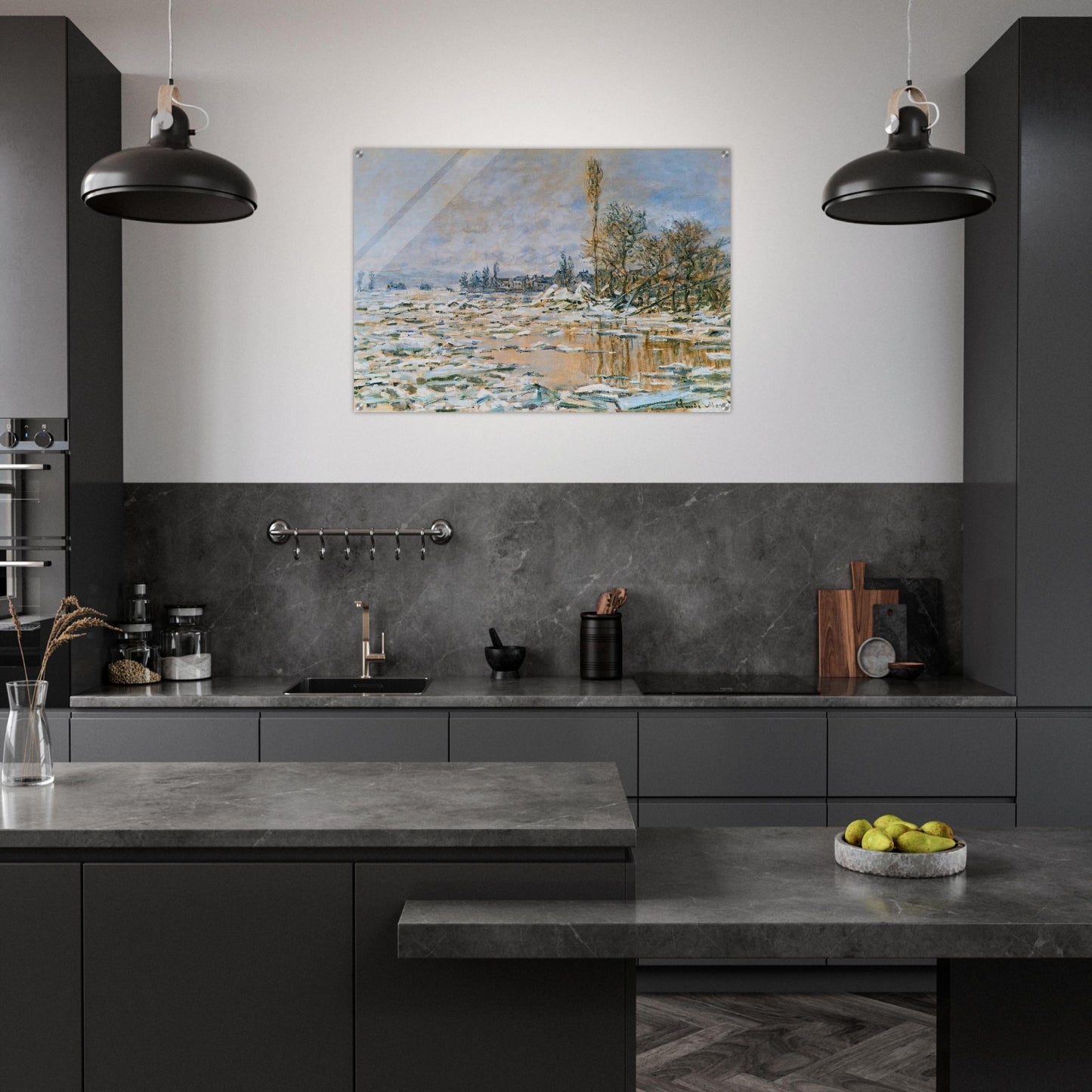
At RedKalion, we preserve the nuanced brushwork and atmospheric sensitivity of the Impressionist era using premium materials. Monet’s fascination with the interplay of light on water and ice is heightened by our premium acrylic medium, which lends a sense of luminosity and three-dimensional depth that traditional canvas cannot match. The 'grey weather' palette, once used to convey the harshness of a historic winter, now serves as a sophisticated, neutral statement piece for contemporary interiors.
Premium Acrylic Craftsmanship
- Modern Aesthetic: 4mm (0.15") high-grade acrylic provides a sleek, vibrant, and durable finish that protects the artwork.
- Precise Detail: Straight-cut corners offer a clean, architectural look suitable for any gallery-style display.
- Integrated Hardware: Each print includes a professional hanging kit with screws and pre-drilled holes at each corner (14mm from the edge) for a secure, floating installation.
- Archival Integrity: Our printing process ensures that the cool blues and muted greys of Monet's palette remain vibrant for a lifetime.
This 70x100 cm Claude Monet wall art is more than a print; it is a window into a pivotal moment in art history. Elevate your space with an archival masterpiece from RedKalion that endures both in style and physical quality.


Discover Unlimited Art Possibilities
At RedKalion, you can find virtually any artwork from any artist, available in a wide range of sizes to perfectly match your space.
If you didn’t find what you’re looking for, contact us at support@redkalion.com . We will source any artwork and produce it in any size and format you need, including art prints, posters, canvas, framed pieces, framed canvas, and more.
For dedicated art enthusiasts, we also offer handcrafted replicas of any artwork, carefully painted by highly skilled artists using traditional techniques.
For custom requests, contact us at support@redkalion.com .
What defines the quality of RedKalion acrylic prints?
RedKalion uses 4mm high-grade acrylic, ensuring superior light transmission and color depth compared to standard prints. Each piece is crafted to museum standards for archival longevity.
How does the 4mm acrylic enhance this Claude Monet print?
The 4mm thickness creates a natural refraction of light, giving the 'Breakup of Ice' depth and a glass-like brilliance that highlights Monet's intricate brushstrokes.
Is the hanging hardware included with the print?
Yes, each acrylic print includes a full hanging kit with screws. Pre-drilled holes (8mm diameter) are located 14mm from each corner for easy, professional installation.
How long will this archival-grade reproduction last?
Our acrylic prints are UV-resistant and built to last for decades without fading, making them a true investment in fine art for your collection.
How is the artwork protected during shipping?
We use specialized, high-durability packaging to ensure your Claude Monet print arrives in pristine condition, ready for immediate display in your home or gallery.
What is the historical significance of Breakup of Ice, Lavacourt?
Painted during a record-breaking winter, it represents Monet's transition into exploring the 'series' concept, focusing on how different lighting conditions transform the same landscape.
Where is Lavacourt, and why did Monet paint there?
Lavacourt is a village on the Seine, across from Monet’s home in Vétheuil. He was drawn to its river views to study the reflections and movement of water.