RedKalion
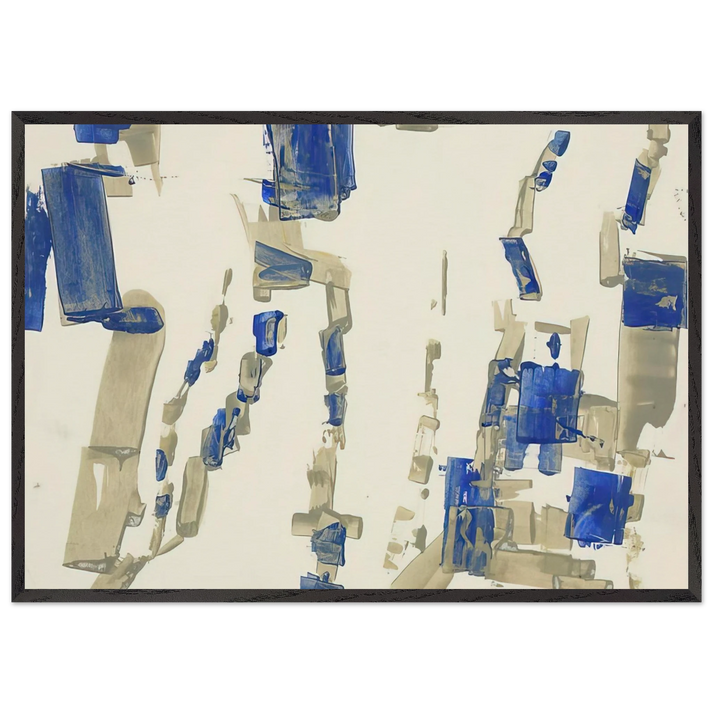
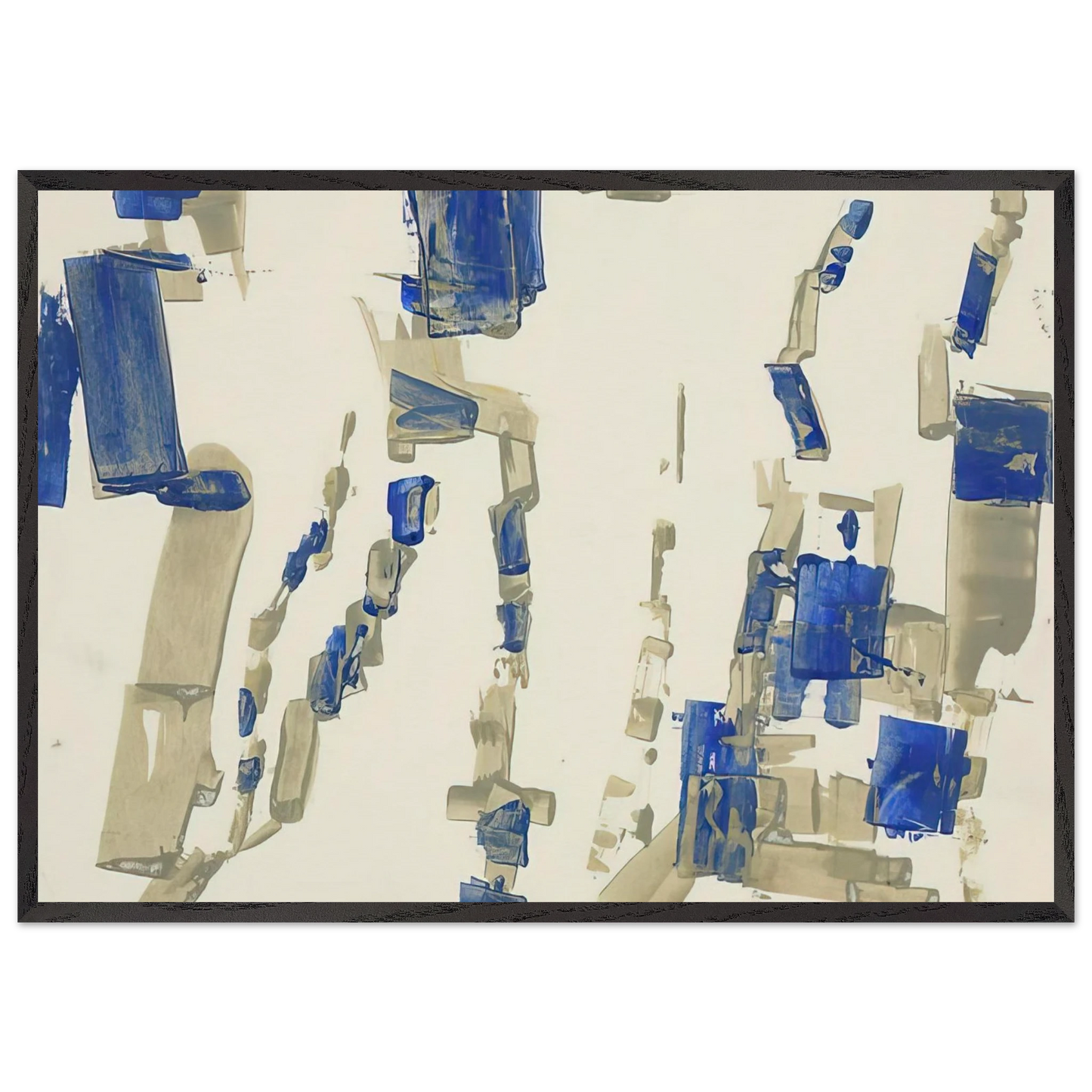
Bretagne - 1960 - Charlotte Posenenske 70x100 cm / 28x40 inches Framed Art Print – Black Wooden Frame
Bretagne - 1960 - Charlotte Posenenske 70x100 cm / 28x40 inches Framed Art Print – Black Wooden Frame
Couldn't load pickup availability
Bretagne, 1960: A Masterpiece of Textural Abstraction by Charlotte Posenenske
Experience the raw, rhythmic energy of the French coast through the eyes of Charlotte Posenenske. Her 1960 work, Bretagne, marks a pivotal moment in art history, where the boundaries between traditional landscape and pure abstraction begin to dissolve. This museum-quality reproduction captures the intense palette knife techniques Posenenske employed during her early career, long before her legendary shift into industrial minimalism and sociology.
At RedKalion, we honor Posenenske’s radical vision by utilizing archival-grade, 250 gsm (110 lb) natural white paper. This heavy-duty, uncoated matte substrate ensures every nuanced stroke and tonal shift of the original 1960 composition is preserved with stunning clarity and depth. The artwork is housed in a premium black wooden frame, crafted from responsibly sourced oak and ash, providing a sophisticated 20mm profile that offers more presence and durability than standard commercial frames.
Technical Specifications for the Discerning Collector
- Premium Framing: 20mm (0.79") thick and wide solid wood frame (oak and ash) for a bold, contemporary aesthetic.
- Archival Substrate: 250 gsm archival museum-quality paper with a luxurious matte, uncoated, natural white finish.
- Shatterproof Protection: Secured behind high-grade, shatterproof plexiglass to ensure long-term preservation.
- Ready to Display: Each print arrives ready to hang, including a professional-grade hanging kit.
- Ethical Curation: Printed on FSC-certified materials, reflecting RedKalion’s commitment to sustainability and quality.
Elevate your interior with an archival masterpiece that endures. This Charlotte Posenenske fine art print is not merely a decoration; it is a testament to the evolution of modern art, curated specifically for those who appreciate historical depth and superior craftsmanship.
Discover Unlimited Art Possibilities
At RedKalion, you can find virtually any artwork from any artist, available in a wide range of sizes to perfectly match your space.
If you didn’t find what you’re looking for, contact us at support@redkalion.com . We will source any artwork and produce it in any size and format you need, including art prints, posters, canvas, framed pieces, framed canvas, and more.
For dedicated art enthusiasts, we also offer handcrafted replicas of any artwork, carefully painted by highly skilled artists using traditional techniques.
For custom requests, contact us at support@redkalion.com .
What are the specific dimensions and material of the frame?
This print features a professional 20mm (0.79") thick and wide frame made from responsibly sourced oak and ash wood, finished in a sleek black, providing a more robust profile than standard 14mm frames.
Is the paper used for this Posenenske print archival quality?
Yes, we use 250 gsm (110 lb) archival museum-quality paper. It is uncoated, matte, and natural white, designed to prevent yellowing and ensure the print remains vibrant for decades.
Does the framed artwork arrive ready to hang?
Absolutely. Your Charlotte Posenenske print comes fully assembled with a high-quality hanging kit included, allowing you to elevate your space immediately upon delivery.
How is the artwork protected during shipping and display?
We use shatterproof, transparent plexiglass to protect the print from dust and damage. The frame is securely packaged to ensure it arrives at your door in pristine condition.
Is this product environmentally friendly?
Yes, RedKalion prioritizes sustainability. We use FSC-certified paper and wood or equivalent certifications, ensuring that your art collection supports responsible forest management.
What was Charlotte Posenenske's artistic style in 1960?
In 1960, Posenenske focused on 'Spachtelarbeiten' (palette knife paintings). These works, like Bretagne, bridged the gap between nature-inspired landscapes and the geometric minimalism she would later perfect.
Why is the Bretagne 1960 piece significant in art history?
It represents the raw, gestural beginnings of a woman who eventually rejected the art market's commercialism. This piece captures her transition from representational art toward the industrial, modular structures that defined her legacy.