RedKalion
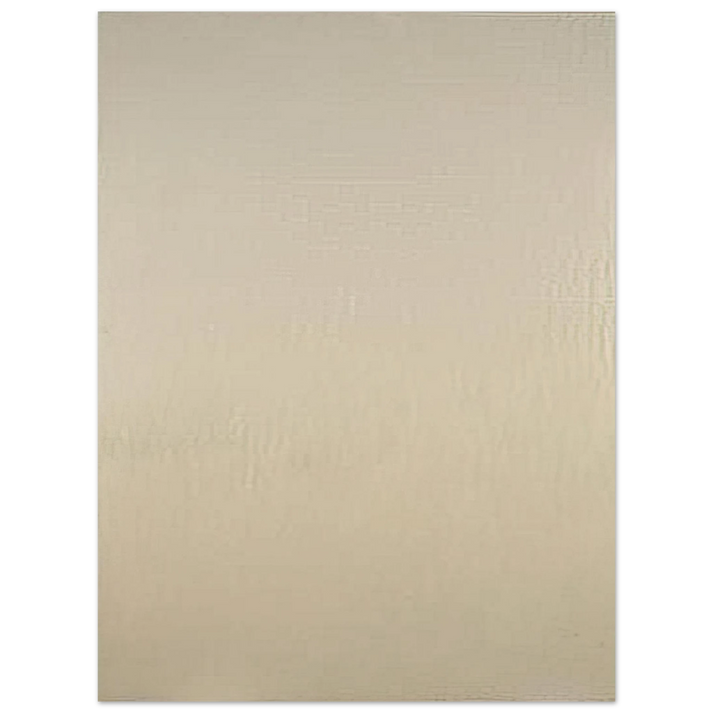
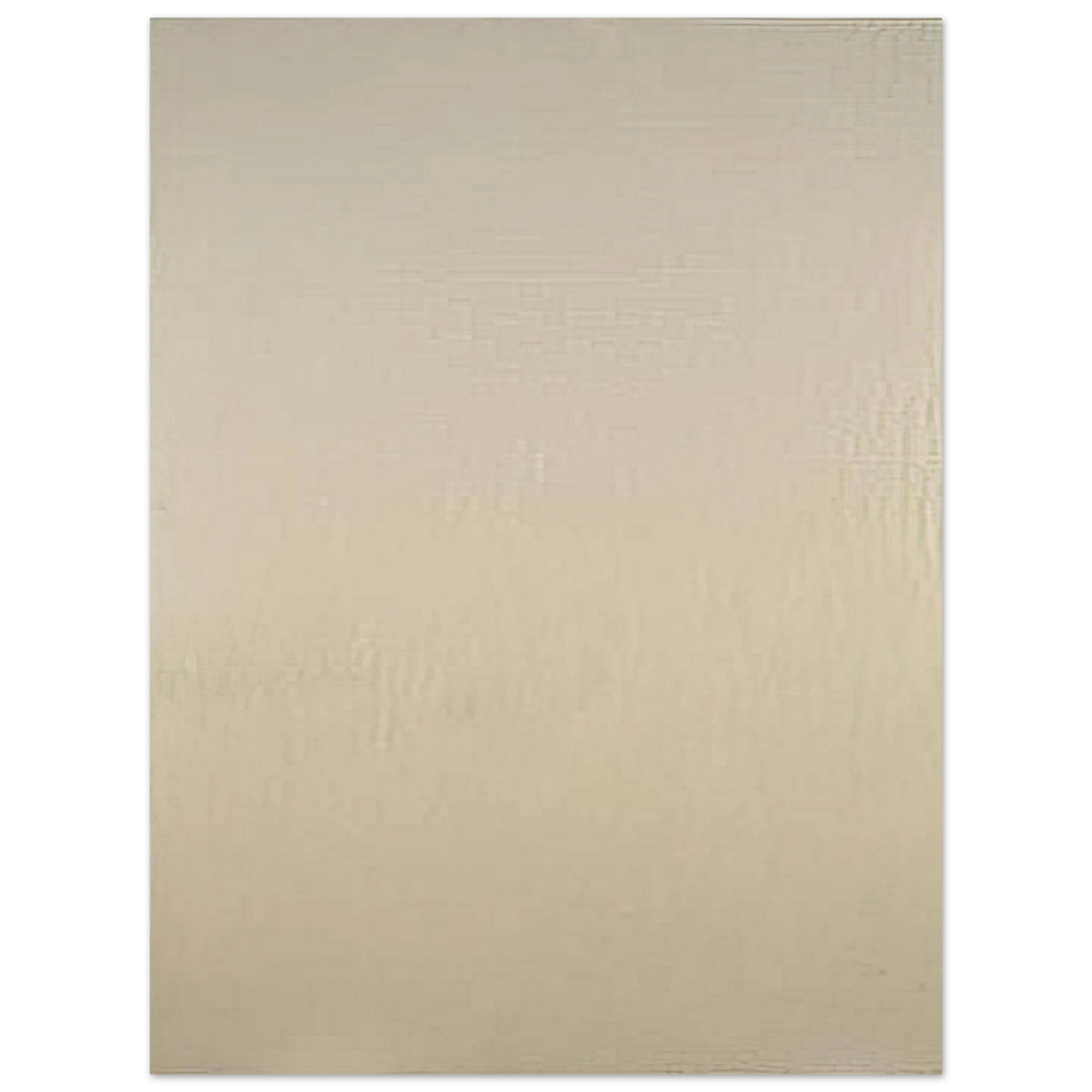
Brice Marden - No Test - 1970 75x100 cm / 30x40inches Fine Art Poster
Brice Marden - No Test - 1970 75x100 cm / 30x40inches Fine Art Poster
Couldn't load pickup availability
Elevate Your Space with Brice Marden’s Minimalist Masterpiece
Experience the profound depth of Brice Marden’s 'No Test' (1970), a seminal work that defines the intersection of Minimalism and Abstract Expressionism. This museum-quality fine art print captures the subtle tonal variations and structural intensity that made Marden a central figure in the New York art scene of the 1970s. By focusing on the physicality of the surface and the emotive power of muted color, 'No Test' invites the viewer into a space of contemplative silence.
The Artistry of Brice Marden
In 1970, Marden was perfecting his unique technique of mixing oil paint with beeswax, creating surfaces that were both matte and incredibly dense. While this reproduction is a fine art poster, it meticulously honors that aesthetic by utilizing a specialized Master's Edition archival paper. The off-white, natural texture of the paper provides a sophisticated foundation for the artwork’s minimalist palette, ensuring that the print retains the same weight and presence as the original composition.
RedKalion’s Museum-Quality Standards
At RedKalion, we curate archival-grade reproductions for the discerning collector. This 75x100 cm (30x40 inches) print is produced with the highest attention to detail, ensuring it serves as a lasting centerpiece for your interior. Our commitment to quality means using materials that endure for generations without losing their vibrancy or structural integrity.
- Paper: 250 gsm (110 lb) Master's Edition archival paper.
- Finish: Luxurious matte, uncoated surface for zero-glare viewing.
- Longevity: Acid-free (pH above 7) and FSC-certified for sustainable permanence.
- Thickness: Robust 0.29 mm (11.4 mils) profile for a premium tactile feel.
Transform your gallery wall with a piece that balances historical significance with modern sophistication. This Brice Marden reproduction is more than a poster; it is an enduring tribute to the power of minimalist form.
Discover Unlimited Art Possibilities
At RedKalion, you can find virtually any artwork from any artist, available in a wide range of sizes to perfectly match your space.
If you didn’t find what you’re looking for, contact us at support@redkalion.com . We will source any artwork and produce it in any size and format you need, including art prints, posters, canvas, framed pieces, framed canvas, and more.
For dedicated art enthusiasts, we also offer handcrafted replicas of any artwork, carefully painted by highly skilled artists using traditional techniques.
For custom requests, contact us at support@redkalion.com .
What paper quality is used for this Brice Marden print?
We use Master's Edition archival paper, a 250 gsm (110 lb) museum-quality material that provides a luxurious feel and exceptional durability for fine art reproductions.
How does the matte finish affect the artwork’s appearance?
The matte, uncoated finish ensures a natural white texture without glare, perfectly complementing Brice Marden's signature use of non-reflective, dense surfaces in his 1970 works.
Is the paper used for this fine art poster sustainable?
Yes, we prioritize the environment by using FSC-certified paper, ensuring that your archival print meets the highest social and environmental standards.
How is the print fulfilled and shipped?
Our Brice Marden prints are printed and shipped on demand with no minimum orders, ensuring each piece is handled with care and delivered directly to your door.
Will the print yellow or degrade over time?
No. The paper is acid-free with a pH value above 7, which prevents yellowing and preserves the integrity of the 'No Test' composition for decades.
What is the significance of the year 1970 in Marden's career?
1970 represents the height of Marden's 'Grey' period, where he explored monochromatic panels to bridge the gap between structural Minimalism and emotional abstraction.
What does the title 'No Test' signify in this composition?
'No Test' reflects Marden's focus on the finality of the artistic process and the raw presence of the medium, rejecting temporary sketches for permanent, physical truth.