RedKalion
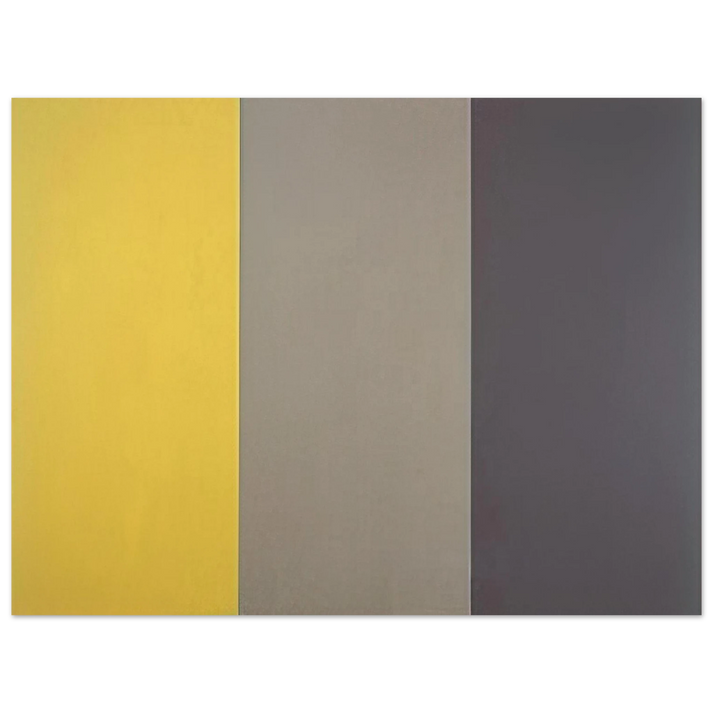
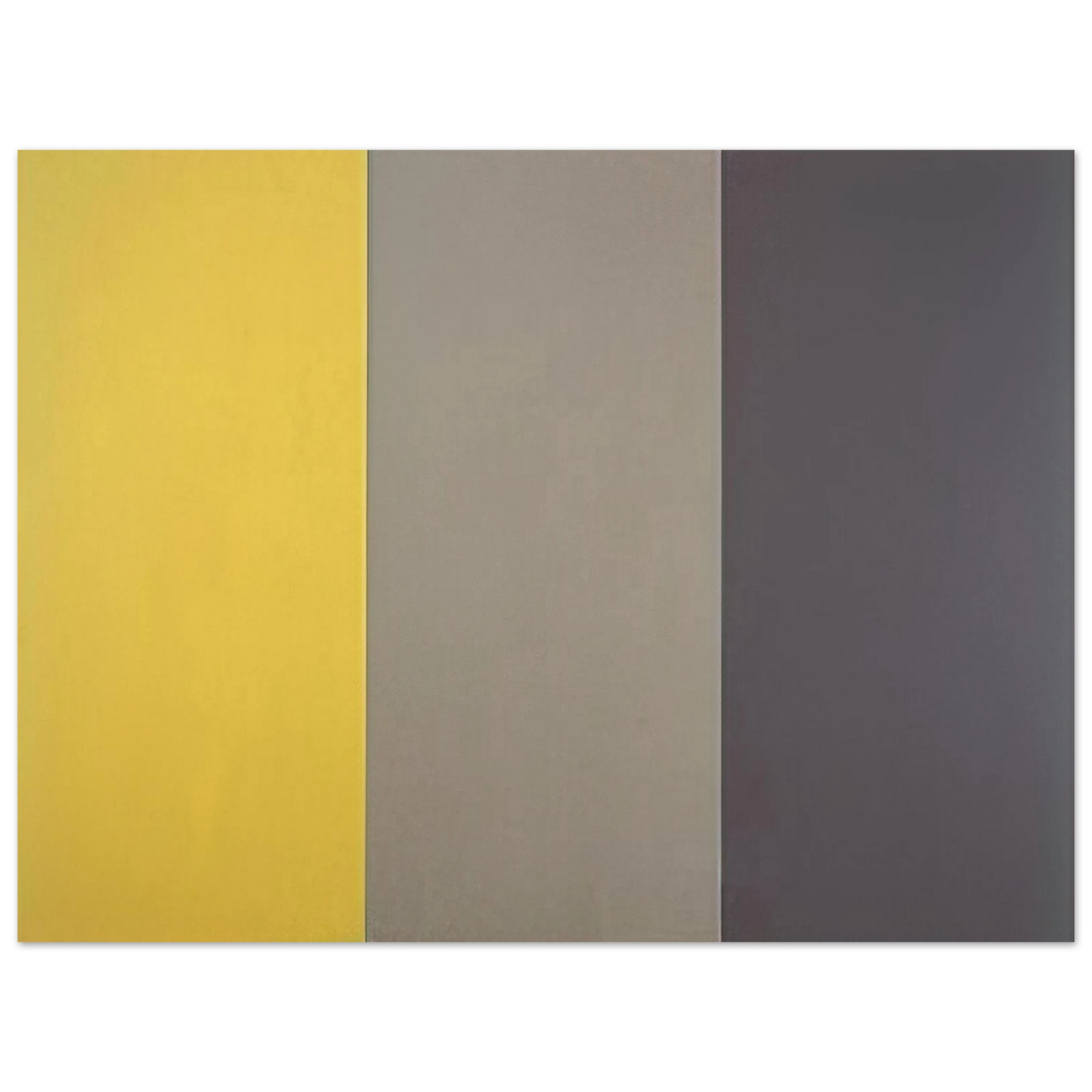
Brice Marden - Range - 1970 75x100 cm / 30x40inches Fine Art Poster
Brice Marden - Range - 1970 75x100 cm / 30x40inches Fine Art Poster
Couldn't load pickup availability
Elevate Your Space with Brice Marden's Range (1970)
RedKalion is proud to present a museum-quality reproduction of Brice Marden’s 1970 masterpiece, Range. As a central figure in American Minimalism, Marden redefined the monochromatic plane, imbuing his canvases with a physical weight and emotional resonance that transcended the sterile boundaries of the era. Range is a profound exploration of light, surface, and the subtle boundaries between panels, capturing a moment when contemporary art turned toward the tactile and the contemplative.
This archival masterpiece is more than a mere print; it is a curation of history. Marden’s technique in 1970 involved a meticulous blend of oil paint and beeswax, creating a signature matte surface that absorbed light rather than reflecting it. Our Master's Edition archival paper has been specifically selected to honor this aesthetic. The natural white, uncoated finish provides a luxurious texture that echoes the hand-wrought quality of the original work, ensuring that the sophisticated tonal shifts are preserved with breathtaking accuracy.
RedKalion’s Commitment to Archival Excellence
- Paper Quality: 250 gsm (110 lb) Master's Edition archival paper, providing a substantial, museum-grade feel.
- Surface Finish: A refined matte, uncoated texture that eliminates glare and enhances color depth.
- Longevity: Acid-free (pH above 7) construction ensures the paper will not yellow or degrade over time.
- Structural Integrity: A thickness of 0.29 mm (11.4 mils) ensures the print remains flat and durable.
- Sustainability: Printed on FSC-certified paper, reflecting our dedication to environmental stewardship.
To own a reproduction of Range is to invite the quiet power of Minimalist geometry into your home or gallery. At RedKalion, we bridge the gap between historical significance and modern craftsmanship, delivering an enduring work of art that serves as a focal point of sophistication and intellectual inquiry.
Discover Unlimited Art Possibilities
At RedKalion, you can find virtually any artwork from any artist, available in a wide range of sizes to perfectly match your space.
If you didn’t find what you’re looking for, contact us at support@redkalion.com . We will source any artwork and produce it in any size and format you need, including art prints, posters, canvas, framed pieces, framed canvas, and more.
For dedicated art enthusiasts, we also offer handcrafted replicas of any artwork, carefully painted by highly skilled artists using traditional techniques.
For custom requests, contact us at support@redkalion.com .
What paper is used for the Brice Marden Range print?
We use Master's Edition archival paper, weighing 250 gsm (110 lb). This museum-quality, natural white paper features a luxurious matte, uncoated finish that perfectly captures the subtle tonal shifts in Marden’s monochromatic work.
Will the colors in this 1970 reproduction fade over time?
No. Our prints are produced on acid-free paper with a pH above 7. This archival-grade material prevents yellowing and ensures the integrity of the artwork for generations, meeting the highest standards for fine art preservation.
Is the paper used for this fine art print sustainable?
Yes, RedKalion is committed to environmental responsibility. All Brice Marden reproductions are printed on FSC-certified paper (or equivalent certifications), ensuring that your artwork supports sustainable forestry practices worldwide.
How is the Brice Marden Range print shipped?
Each print is produced and shipped on demand with no minimum order requirements. We use robust, protective packaging specifically designed for large-format fine art to ensure your archival masterpiece arrives in pristine condition.
Does the print have a glossy or matte finish?
This print features a premium matte finish. The uncoated, natural white texture avoids glare and provides a sophisticated, tactile feel that honors the original oil and beeswax medium used by Marden in his 1970 compositions.
What is the significance of Marden's 1970 work "Range"?
"Range" (1970) represents a pivotal moment in Minimalism. Marden explored the physical weight of color and the boundary between separate panels, creating a sense of architectural space and emotional depth through subtle, hand-wrought surfaces.
How does Marden's technique influence this reproduction?
Marden famously mixed oil paint with beeswax to create a matte, skin-like surface. Our 250 gsm archival matte paper was selected specifically to replicate that low-sheen, high-density aesthetic, preserving the artist's original intent.