
RedKalion
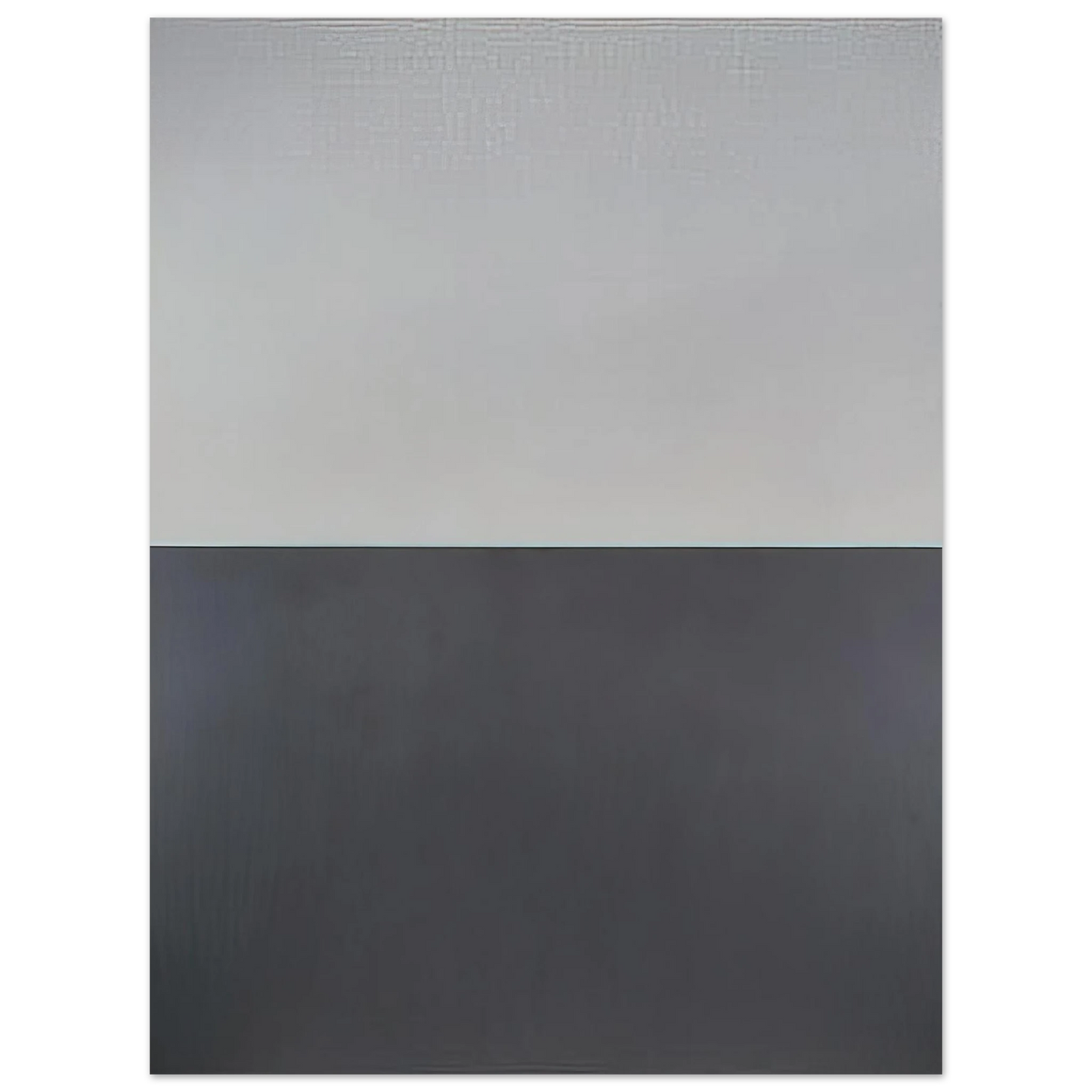
Brice Marden - Sea Painting I - 1974 75x100 cm / 30x40inches Fine Art Poster
Brice Marden - Sea Painting I - 1974 75x100 cm / 30x40inches Fine Art Poster
Couldn't load pickup availability
Experience the Sublimity of Brice Marden’s Sea Painting I (1974)
Brice Marden’s Sea Painting I, composed in 1974, stands as a cornerstone of contemporary minimalism. This museum-quality reproduction captures the profound depth and atmospheric resonance of Marden’s original exploration into the intersection of color, surface, and light. A master of the monochromatic panel, Marden transitioned in the mid-1970s toward a palette inspired by the natural world, particularly the evocative blues and grays of the Mediterranean.
As part of the prestigious RedKalion collection, this fine art print is meticulously produced to meet the highest standards of archival excellence. We utilize our Master's Edition archival paper, offering a luxurious, natural white matte finish that ensures the subtle nuances of Marden’s color field are preserved without the interference of glare. This 250 gsm (110 lb) paper provides a substantial, tactile weight that reflects the premium nature of the artwork.
- Artist: Brice Marden
- Work: Sea Painting I (1974)
- Paper: 250 gsm / 110 lb Archival Master's Edition
- Sustainability: FSC-certified, acid-free (pH above 7)
- Longevity: Acid-free composition prevents yellowing over time
By choosing this museum-quality reproduction, you are investing in a piece that transcends mere decoration. Our commitment to longevity means each print is acid-free, ensuring the evocative power of Sea Painting I remains vibrant for generations. Elevate your space with an archival masterpiece that endures through time and trend.
Discover Unlimited Art Possibilities
At RedKalion, you can find virtually any artwork from any artist, available in a wide range of sizes to perfectly match your space.
If you didn’t find what you’re looking for, contact us at support@redkalion.com . We will source any artwork and produce it in any size and format you need, including art prints, posters, canvas, framed pieces, framed canvas, and more.
For dedicated art enthusiasts, we also offer handcrafted replicas of any artwork, carefully painted by highly skilled artists using traditional techniques.
For custom requests, contact us at support@redkalion.com .
What is the quality of the paper used for this Brice Marden print?
We use Master's Edition archival paper, weighing 250 gsm (110 lb). This museum-quality, natural white paper offers a luxurious matte finish and a substantial thickness of 0.29 mm, ensuring your Brice Marden reproduction feels as premium as it looks.
How is the Sea Painting I reproduction printed and fulfilled?
At RedKalion, each fine art poster is printed on demand using archival-grade inks. We have no minimum order requirements and ensure every piece is handled with care and shipped securely to maintain its pristine, gallery-ready condition.
Will the colors of this fine art print fade over time?
No. Our prints are produced on acid-free paper with a pH above 7, which prevents yellowing and degradation. This archival standard ensures the color integrity of Sea Painting I remains intact for decades.
Is the paper used for this fine art poster sustainable?
Yes, we prioritize environmental responsibility. The Master's Edition paper used for this Brice Marden reproduction is FSC-certified, ensuring it comes from sustainably managed forests that provide environmental, social, and economic benefits.
What are the exact physical specifications of the print?
The print features a weight of 250 gsm (110 lb) and a thickness of 0.29 mm (11.4 mils). It is an uncoated, matte, natural white paper designed for longevity and a sophisticated aesthetic.
What inspired Brice Marden's 1974 Sea Painting I?
The piece is part of a series inspired by Marden's time on the Greek island of Hydra. It reflects his fascination with the horizontal divide of the sea and sky, translated into minimalist, structural color planes.
What technique did Marden use in the original version of this work?
In 1974, Marden often worked with encaustic—a mixture of oil paint and beeswax. This gave the original Sea Painting I a matte, skin-like surface and incredible depth, which our high-resolution archival print seeks to honor.