RedKalion
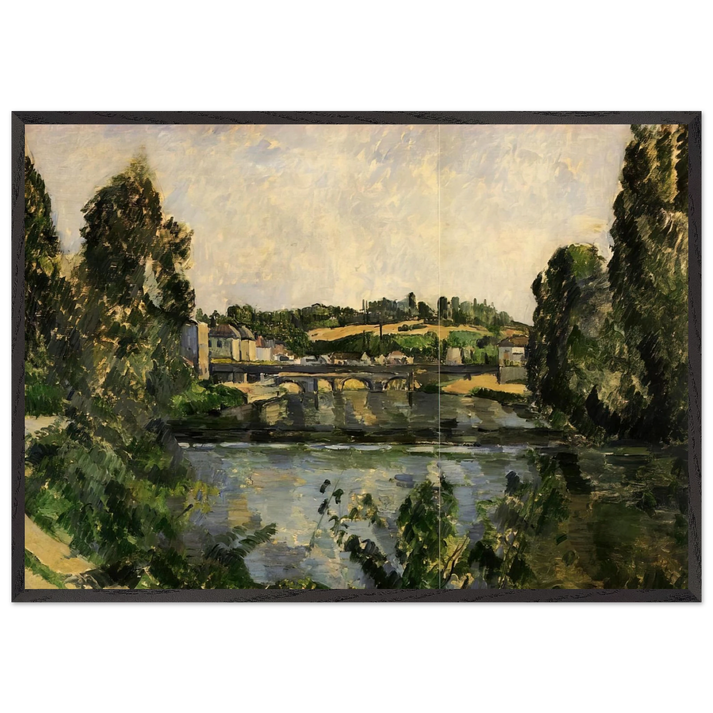
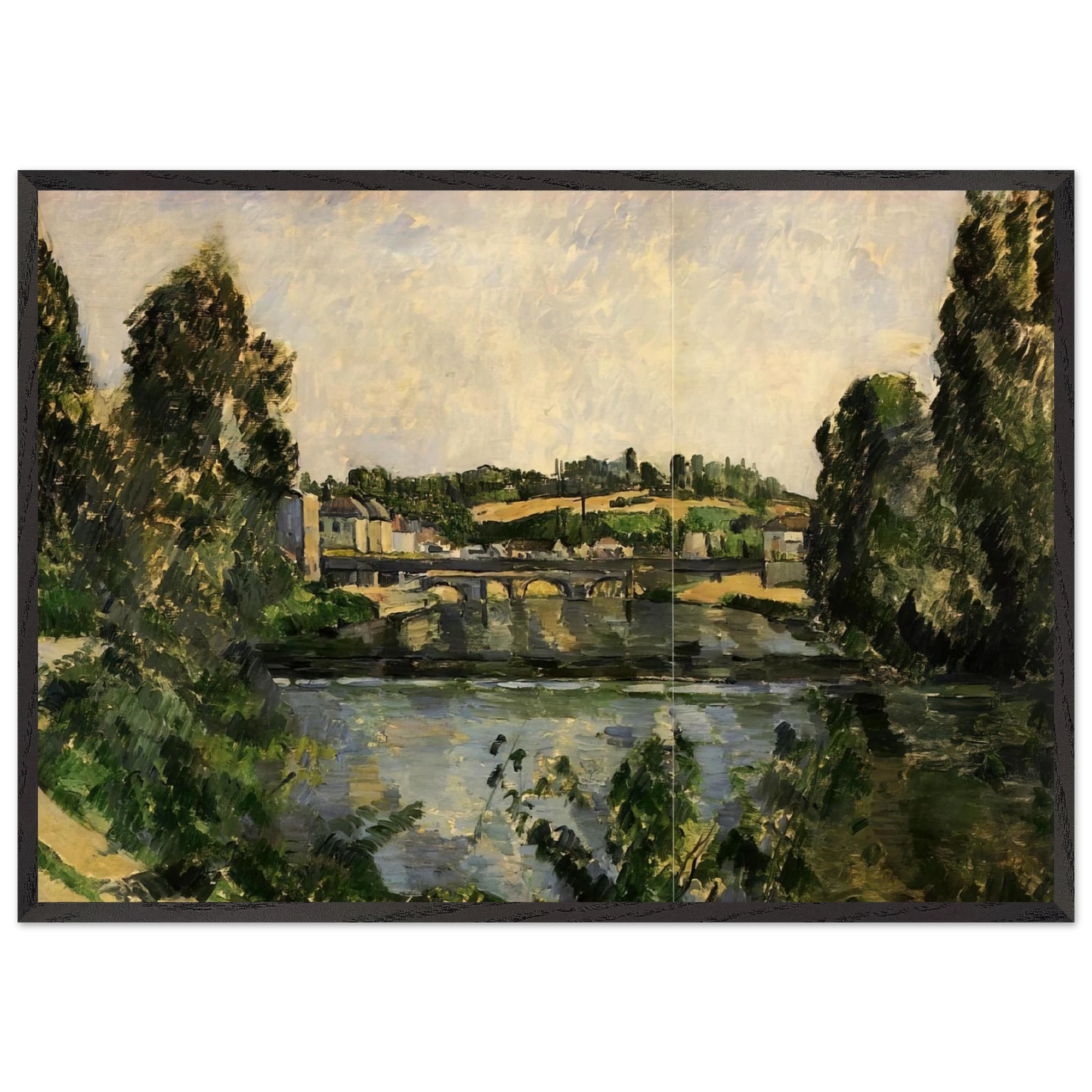
Bridge and Waterfall at Pontoise - Paul Cezanne 70x100 cm / 28x40 inches Framed Art Print – Black Wooden Frame
Bridge and Waterfall at Pontoise - Paul Cezanne 70x100 cm / 28x40 inches Framed Art Print – Black Wooden Frame
Couldn't load pickup availability
Elevate Your Space with Cézanne’s Bridge and Waterfall at Pontoise
Experience the structural mastery of Post-Impressionism with our museum-quality reproduction of Paul Cézanne’s Bridge and Waterfall at Pontoise. Captured during a pivotal moment in art history, this piece showcases Cézanne's transition from the fleeting light of Impressionism toward the geometric permanence that would later inspire Cubism. Our archival fine art print meticulously preserves the 'constructive brushwork' and subtle tonal shifts that define this legendary landscape.
A Masterpiece of Post-Impressionist Rigor
In this composition, Cézanne explores the rhythmic relationship between the man-made bridge and the organic energy of the falling water. Painted during his time collaborating with Camille Pissarro, this work reveals the artist's burgeoning obsession with finding the underlying geometry in nature. By choosing this Paul Cézanne framed art print, you are not merely purchasing decor; you are bringing a cornerstone of modern art history into your home or office.
Exquisite RedKalion Craftsmanship
RedKalion is dedicated to providing the definitive, archival-grade reproduction. Each print is produced on 250 gsm (110 lb) natural white museum-quality paper, featuring a matte, uncoated finish that eliminates glare and enhances color depth. The 70x100 cm print is encased in a premium black frame crafted from responsibly sourced oak and ash wood. Measuring 20mm (0.79") in width, this frame provides a substantial, gallery-ready presence that surpasses standard thin frames.
- Sustainable Materials: FSC-certified paper and ethically harvested wood.
- Crystal Clear Protection: High-grade shatterproof plexiglass ensures longevity and safety.
- Ready-to-Hang: Delivered with a professional hanging kit for immediate installation.
- Archival Durability: Acid-free paper prevents yellowing, ensuring your masterpiece endures for generations.
Discover Unlimited Art Possibilities
At RedKalion, you can find virtually any artwork from any artist, available in a wide range of sizes to perfectly match your space.
If you didn’t find what you’re looking for, contact us at support@redkalion.com . We will source any artwork and produce it in any size and format you need, including art prints, posters, canvas, framed pieces, framed canvas, and more.
For dedicated art enthusiasts, we also offer handcrafted replicas of any artwork, carefully painted by highly skilled artists using traditional techniques.
For custom requests, contact us at support@redkalion.com .
What are the physical dimensions and frame specifications?
This print measures 70x100 cm (28x40 inches). It features a premium 20mm (0.79") wide black frame made from responsibly sourced oak and ash wood, providing a more robust and sophisticated profile than typical thin gallery frames.
What paper quality is used for this Paul Cézanne reproduction?
We use 250 gsm (110 lb) archival museum-quality paper. It is natural white, uncoated, and matte-finished to ensure the fine art print remains vibrant and free from glare under various lighting conditions.
How is the artwork protected during shipping and display?
The print is protected by premium shatterproof plexiglass, which offers superior clarity and safety compared to standard glass. All orders are securely packaged to ensure your museum-quality reproduction arrives in pristine condition.
Will the colors fade over time?
No. By using acid-free, FSC-certified museum-quality paper and archival-grade inks, RedKalion ensures that the rich textures and tones of Bridge and Waterfall at Pontoise remain stable and vivid for decades.
Is the art print ready to be displayed upon arrival?
Yes. Every framed print includes a professional-grade hanging kit. Your artwork is delivered ready-to-hang, allowing you to elevate your interior space with an archival masterpiece the moment it arrives.
Why is Pontoise significant in Paul Cézanne’s career?
Pontoise was where Cézanne worked alongside Pissarro, moving away from dark, heavy palettes toward brighter, structured landscapes. This period was crucial in his development of the 'constructive stroke' that bridged Impressionism and Modernism.
What is the 'constructive stroke' seen in this piece?
The constructive stroke refers to Cézanne's technique of using rhythmic, parallel brushstrokes to build form and volume. This method emphasized the canvas's structure over mere visual representation, paving the way for 20th-century abstraction.