RedKalion
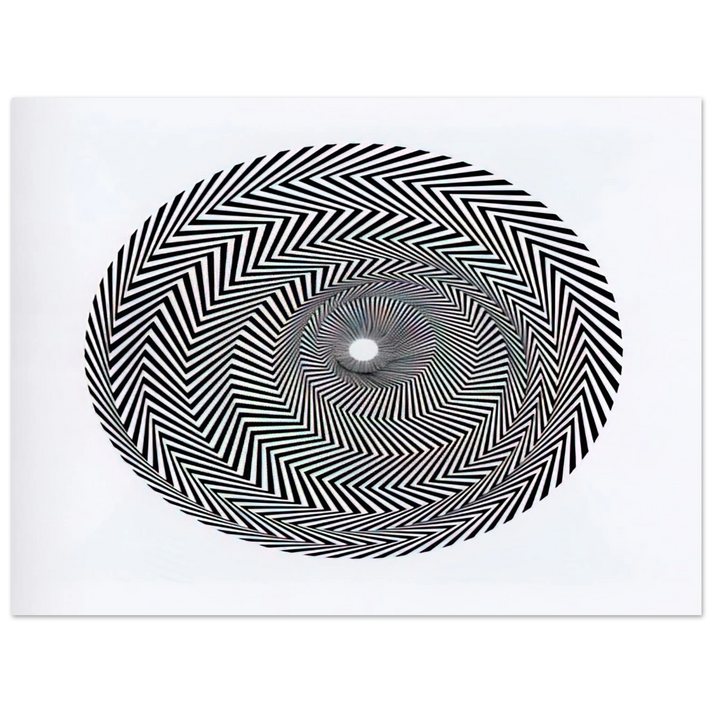
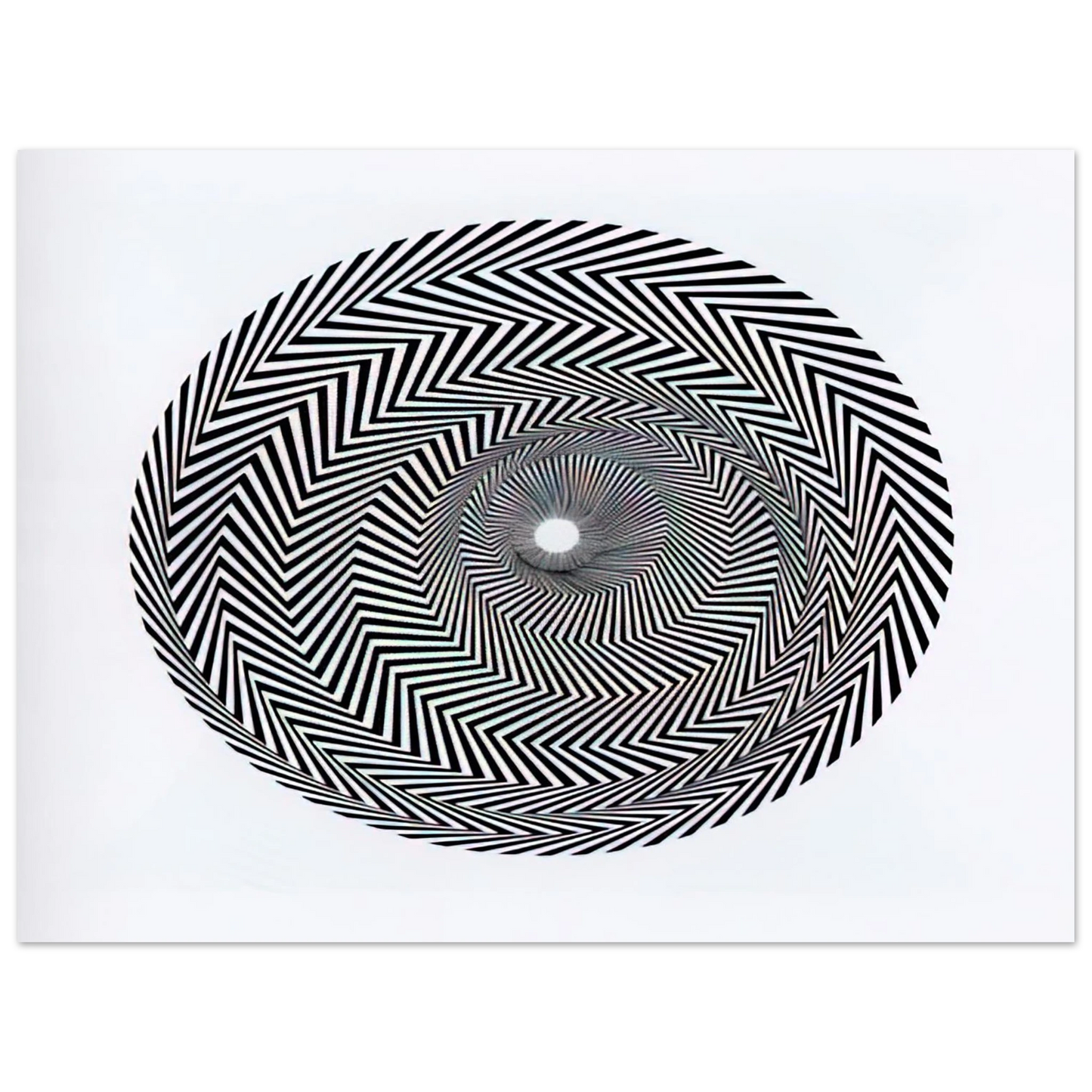
Bridget Riley - BLAZE 1 1962 75x100 cm / 30x40inches Fine Art Poster
Bridget Riley - BLAZE 1 1962 75x100 cm / 30x40inches Fine Art Poster
Couldn't load pickup availability
Elevate Your Space with Bridget Riley’s 'Blaze 1' (1962)
Immerse yourself in the hypnotic power of Bridget Riley’s Blaze 1, a cornerstone of the 1960s Op Art movement. This 75x100 cm reproduction captures the rhythmic intensity and spatial dynamism that defined Riley's early monochrome period. By utilizing precise, alternating zig-zag lines, 'Blaze 1' creates a visceral sense of movement, drawing the viewer into a swirling vortex that challenges the boundaries of human perception.
The RedKalion Archival Standard
At RedKalion, we bridge the gap between historical masterpiece and contemporary living. Our museum-quality fine art print is produced on Master's Edition archival paper. This off-white, uncoated paper provides a luxurious, tactile experience while ensuring the stark contrasts of Riley's geometric precision remain crisp and authoritative.
- Paper Weight: Substantial 250 gsm (110 lb) for a premium, heavy-duty feel.
- Finish: Elegant matte finish that eliminates glare and enhances the depth of the blacks.
- Longevity: Acid-free (pH above 7) composition prevents yellowing, preserving your investment for decades.
- Dimensions: 75x100 cm (30x40 inches), perfect for a sophisticated focal point.
- Sustainability: Printed on FSC-certified paper, supporting responsible forest management.
Artistic Context: The Power of Perception
Bridget Riley is celebrated for her ability to manipulate line and space to trigger optical sensations. In 'Blaze 1', the spiral acts as a catalyst for visual energy, a technique Riley perfected to demonstrate that art can be an active experience rather than a passive object. This archival-grade reproduction honors her legacy, offering an enduring piece of history that resonates with modern, minimalist, and mid-century aesthetics alike.
Discover Unlimited Art Possibilities
At RedKalion, you can find virtually any artwork from any artist, available in a wide range of sizes to perfectly match your space.
If you didn’t find what you’re looking for, contact us at support@redkalion.com . We will source any artwork and produce it in any size and format you need, including art prints, posters, canvas, framed pieces, framed canvas, and more.
For dedicated art enthusiasts, we also offer handcrafted replicas of any artwork, carefully painted by highly skilled artists using traditional techniques.
For custom requests, contact us at support@redkalion.com .
What characterizes the paper quality of the Bridget Riley Blaze 1 print?
We use Master's Edition 250 gsm (110 lb) archival paper. It features a natural white, uncoated matte finish that provides a luxurious feel and ensures the optical depth of the artwork is rendered without distracting reflections.
Is the paper used for this reproduction sustainable?
Yes, all our prints use FSC-certified paper. This ensures that the materials for your museum-quality reproduction are sourced from responsibly managed forests that provide environmental, social, and economic benefits.
How does this fine art print resist aging and yellowing?
The paper is acid-free with a pH value above 7. This archival standard ensures that the print resists yellowing and deterioration over time, maintaining the stark contrast and integrity of the original 1962 vision.
What is the shipping policy for RedKalion museum prints?
We offer on-demand fulfillment with no minimum orders. Each print is carefully packaged and shipped to ensure it arrives in pristine condition, ready for framing and display in your gallery or home.
Does this print come with a frame?
This product is a standalone fine art poster, allowing you the flexibility to choose a custom frame that perfectly matches your interior design and enhances the archival aesthetic of the 75x100 cm piece.
What was Bridget Riley's intent with the 'Blaze' series?
Riley intended to create a "perceptual event." The 'Blaze' series explores how geometric patterns can generate sensations of flickering, shimmering, and movement, transforming the flat surface into a dynamic, three-dimensional experience for the viewer.
Why did Riley use only black and white in Blaze 1?
In 1962, Riley focused on monochrome to isolate the effects of form and contrast. By removing color, she could maximize the optical tension and energy generated by the interaction of black lines against a white background.