RedKalion
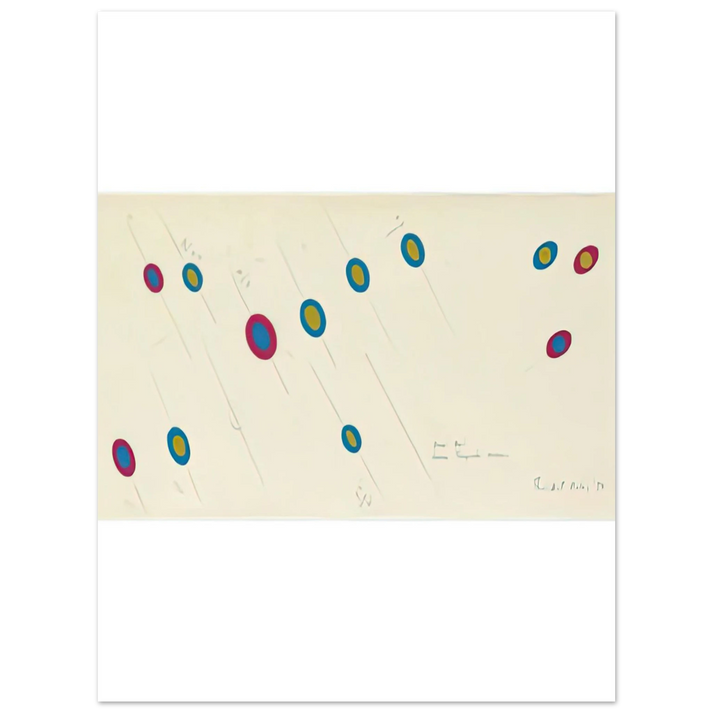
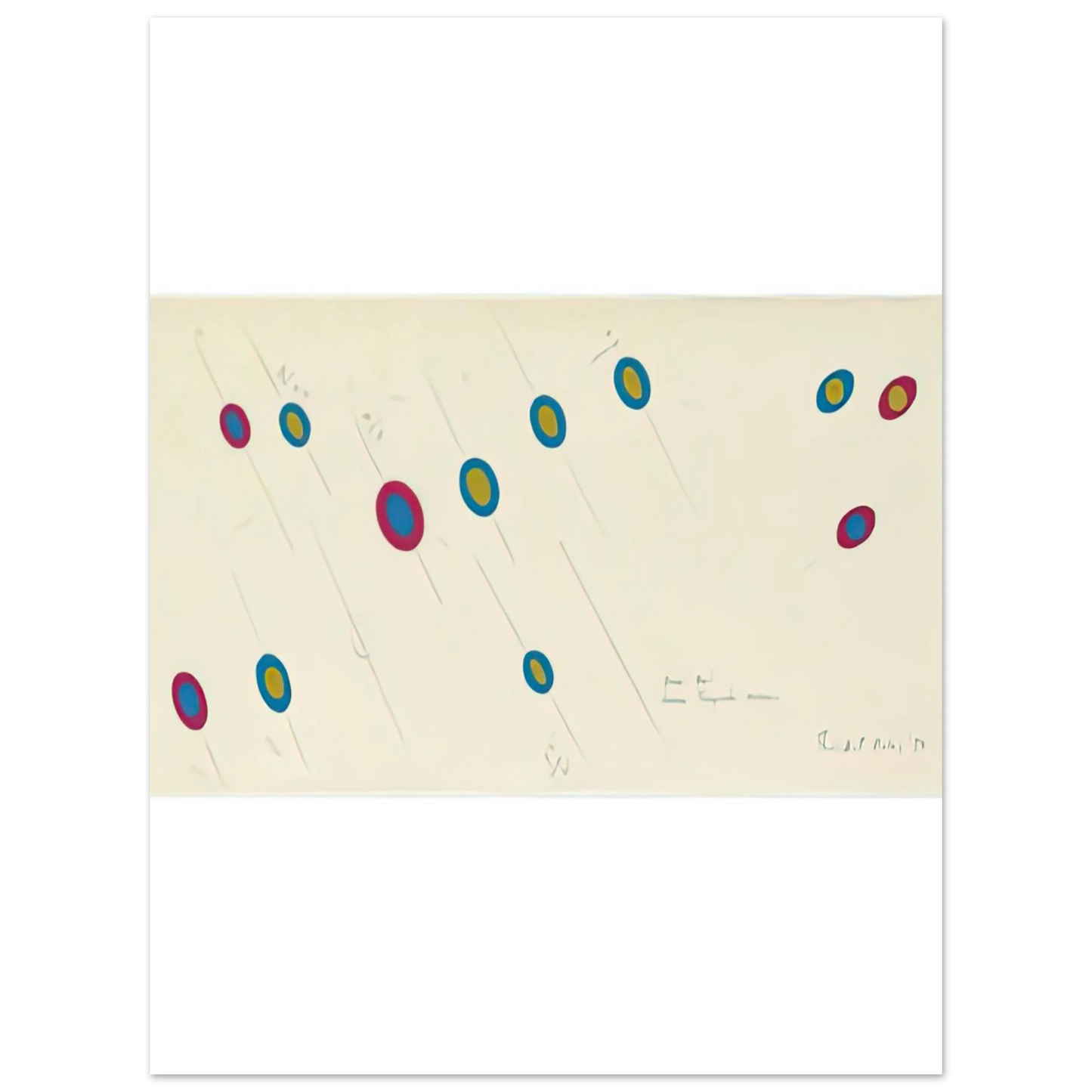
Bridget Riley - OVAL AXIS CERISE TURQUOISE OCHRE 1970 75x100 cm / 30x40inches Fine Art Poster
Bridget Riley - OVAL AXIS CERISE TURQUOISE OCHRE 1970 75x100 cm / 30x40inches Fine Art Poster
Couldn't load pickup availability
Elevate Your Space with Bridget Riley’s 'Oval Axis Cerise Turquoise Ochre 1970'
Experience the mesmerizing rhythm of British Op Art pioneer Bridget Riley with this exquisite fine art reproduction of Oval Axis Cerise Turquoise Ochre (1970). This particular piece represents a pivotal moment in Riley's career, marking her sophisticated transition from the stark contrasts of monochrome to the complex, vibrating relationships of color. The meticulous arrangement of cerise, turquoise, and ochre ovals creates a sense of rhythmic movement, challenging the viewer's perception and turning the wall into a dynamic visual experience.
Museum-Quality Execution by RedKalion
At RedKalion, we curate more than just prints; we provide archival masterpieces. This museum-quality reproduction is printed on our prestigious Master's Edition archival paper. With a substantial weight of 250 gsm (110 lb) and a thickness of 0.29 mm, the paper offers a luxurious, tactile feel that honors the precision of Riley’s geometric vision. The matte, uncoated natural white finish ensures that the vibrant cerise and cool turquoise tones are rendered with depth and clarity, free from distracting glares.
Historical Context & Technical Mastery
In 1970, Riley was at the height of her investigation into how color can generate a sense of 'active' light. Unlike her earlier works that relied on black-and-white patterns to create movement, Oval Axis utilizes the juxtaposition of hues to create optical tension. By choosing an archival-grade print, you ensure that these subtle color interactions remain as vivid and impactful as the artist intended. Our acid-free (pH above 7) paper prevents yellowing, ensuring your investment remains a centerpiece for generations.
- Artist: Bridget Riley
- Title: Oval Axis Cerise Turquoise Ochre 1970
- Material: 250 gsm Master's Edition museum-quality paper
- Sustainability: FSC-certified paper for environmental responsibility
- Longevity: Acid-free and archival-grade for lasting brilliance
Discover Unlimited Art Possibilities
At RedKalion, you can find virtually any artwork from any artist, available in a wide range of sizes to perfectly match your space.
If you didn’t find what you’re looking for, contact us at support@redkalion.com . We will source any artwork and produce it in any size and format you need, including art prints, posters, canvas, framed pieces, framed canvas, and more.
For dedicated art enthusiasts, we also offer handcrafted replicas of any artwork, carefully painted by highly skilled artists using traditional techniques.
For custom requests, contact us at support@redkalion.com .
What kind of paper is used for this Bridget Riley print?
We use Master's Edition archival paper, a 250 gsm (110 lb) museum-quality material. It features a matte, uncoated natural white finish that enhances color depth without reflection.
Will the colors of 'Oval Axis' fade over time?
No. Our prints are made on acid-free paper with a pH above 7, which prevents yellowing and ensures the vibrant cerise and turquoise tones remain stable for decades.
How is the artwork shipped to ensure it isn't damaged?
Each fine art poster is printed on demand and shipped in protective, reinforced packaging to ensure it arrives at your door in pristine, gallery-ready condition.
Is the paper used for this reproduction sustainable?
Yes, RedKalion uses FSC-certified paper, ensuring that your Bridget Riley reproduction supports responsible forest management and environmental sustainability.
Is this a high-fidelity museum-quality reproduction?
Absolutely. We specialize in archival-grade prints that capture the precise geometric tensions and color relationships intended by Bridget Riley in her 1970 masterpiece.
What was the significance of the year 1970 for Bridget Riley?
1970 marked Riley's successful mastery of color theory, moving beyond her famous 1960s black-and-white works to explore how specific color sequences create optical vibration.
Why are ovals used in the 'Oval Axis' series?
Riley utilized the oval shape to create a specific rhythmic pulse. The orientation and color spacing of the ovals generate a sense of movement across the canvas.