

RedKalion
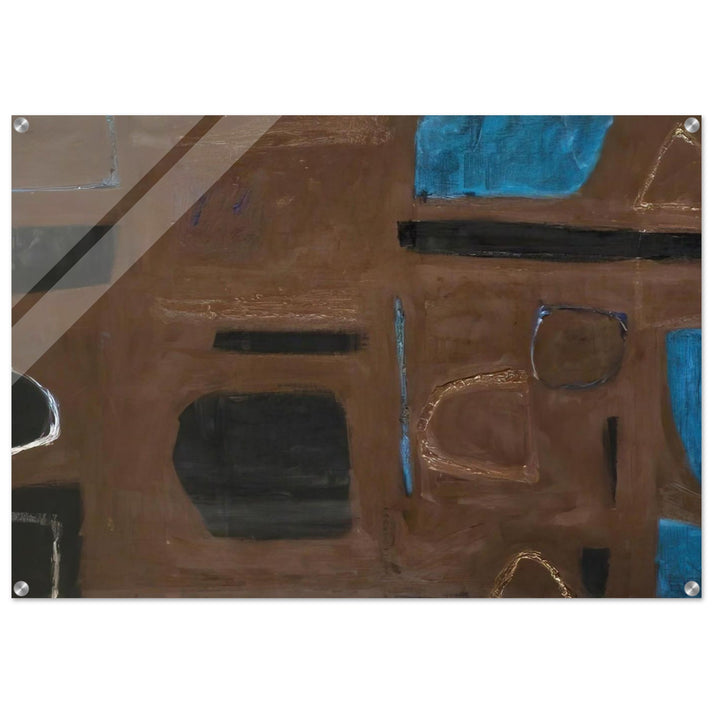
Brown and Black - 1960 - William Scott Acrylic Print - 70x100 cm / 28x40″ inches
Brown and Black - 1960 - William Scott Acrylic Print - 70x100 cm / 28x40″ inches
Couldn't load pickup availability
The Timeless Abstraction of William Scott: Brown and Black (1960)
Experience the profound simplicity of British Modernism with our museum-quality reproduction of William Scott’s Brown and Black (1960). As a leading figure in post-war abstract art, Scott masterfully navigated the boundary between domestic figuration and pure abstraction. In this 1960 masterpiece, his signature focus on form and texture is distilled into a powerful composition of organic shapes and earthy tones, reflecting the artist's evolution toward a more minimalist, gestural language.
This fine art print is meticulously rendered on a 4mm (0.15") acrylic panel, a medium that enhances the depth and tonal nuance of Scott's palette. The sleek, high-gloss finish provides a contemporary edge while preserving the archival integrity of the original work. At RedKalion, we curate only the most significant works of art history, ensuring that each museum-quality reproduction serves as a sophisticated focal point for the modern interior.
Technique and Material Excellence
William Scott was renowned for his ability to find the monumental within the mundane. By translating his tactile brushwork onto a polished acrylic surface, the 1960 composition gains a new dimension of light-refracting brilliance. The print features straight-cut corners and a specialized backing where transparent elements default to a crisp white, ensuring the structural integrity of the visual design remains uncompromised.
- Premium Material: 4mm (0.15") high-grade acrylic for a durable, vibrant finish.
- Sophisticated Design: Modern straight-cut edges for a minimalist aesthetic.
- Integrated Hanging System: Includes a complete hardware kit with screws and pre-drilled holes at each corner.
- Archival Durability: Engineered to resist fading and maintain its depth for decades to come.
Elevate your collection with an archival masterpiece that endures. RedKalion’s commitment to quality ensures that this William Scott reproduction is not merely a decorative piece, but a lasting investment in aesthetic excellence.


Discover Unlimited Art Possibilities
At RedKalion, you can find virtually any artwork from any artist, available in a wide range of sizes to perfectly match your space.
If you didn’t find what you’re looking for, contact us at support@redkalion.com . We will source any artwork and produce it in any size and format you need, including art prints, posters, canvas, framed pieces, framed canvas, and more.
For dedicated art enthusiasts, we also offer handcrafted replicas of any artwork, carefully painted by highly skilled artists using traditional techniques.
For custom requests, contact us at support@redkalion.com .
What are the physical specifications of the acrylic print?
The print is crafted from 4mm (0.15") high-grade acrylic with straight-cut corners. This museum-quality material provides a vibrant, sleek finish that enhances the depth of the artwork while ensuring long-term durability and resistance to environmental factors.
How is the artwork mounted and displayed?
Each print includes a professional hanging kit with screws. The acrylic panel features pre-drilled holes at each corner, positioned 14mm (0.55") from the edge, with an 8mm (0.31") diameter to accommodate the 15mm (0.6") screw heads for a secure, floating effect.
Does RedKalion offer secure global shipping?
Yes, RedKalion ensures all prints are professionally packaged in protective materials to prevent damage during transit. We provide tracked, insured shipping globally to ensure your archival masterpiece arrives in pristine condition at your doorstep.
What is the archival longevity of an acrylic fine art print?
Our acrylic prints are engineered for archival longevity. The 4mm acrylic provides natural UV protection, preventing the pigments from fading over time. This ensures the Brown and Black (1960) reproduction remains vibrant and clear for generations.
How are transparent areas in the artwork handled?
To ensure optimal color density and presentation, any transparent or translucent backgrounds in the original digital file are printed with a solid white backing. This ensures that William Scott's specific tonal choices remain bold and visible against any wall color.
What is the historical significance of William Scott’s 1960 period?
By 1960, William Scott had moved toward a more austere, minimalist style of abstraction. This period represents his peak engagement with the "New York School" influences, blending European tradition with the grand scale and gestural freedom of American abstract expressionism.
Why is Brown and Black (1960) considered a masterpiece of British Modernism?
This work exemplifies Scott’s mastery of the 'empty space.' By balancing heavy, dark forms against a structured ground, Scott evokes the silhouettes of kitchen utensils while elevating them to a universal, primitive language of shape and balance.