

RedKalion
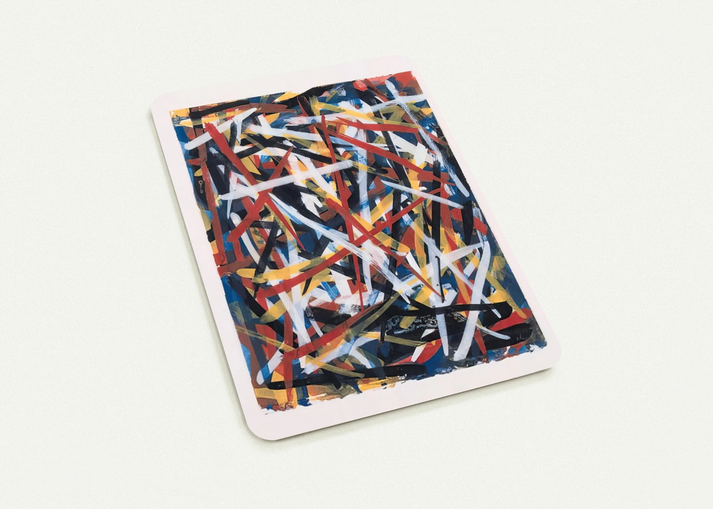
Brushstrokes By Sol LeWitt Pack of 10 Post Cards | Sol LeWitt Post Cards | A6 (10.5 x 14.8 cm) - 4.1 x 5.8 inches
Brushstrokes By Sol LeWitt Pack of 10 Post Cards | Sol LeWitt Post Cards | A6 (10.5 x 14.8 cm) - 4.1 x 5.8 inches
Couldn't load pickup availability
Elevate Your Correspondence with Sol LeWitt’s Conceptual Brilliance
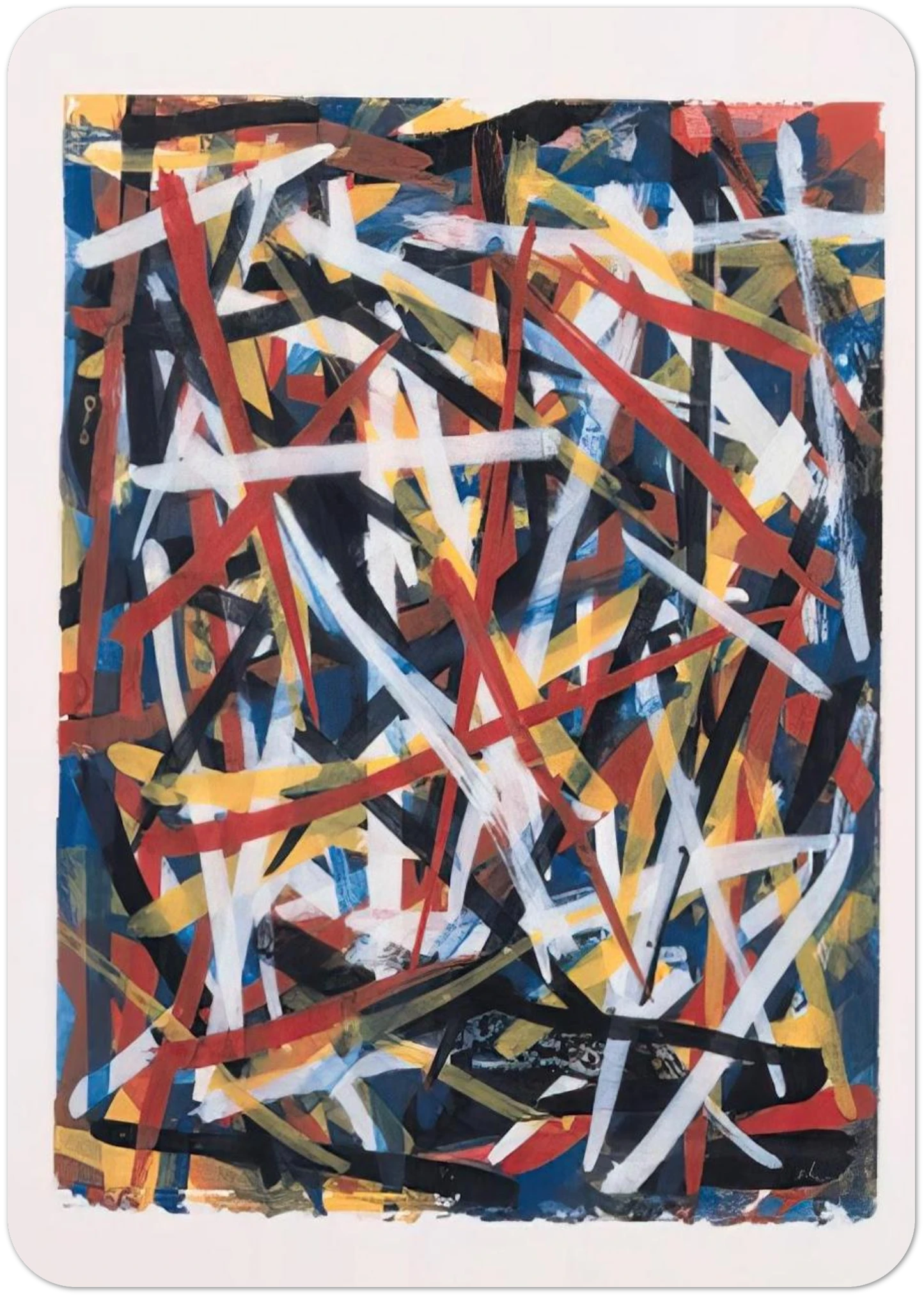
Sol LeWitt, a titan of 20th-century art, famously asserted that "the idea becomes a machine that makes the art." With this exquisite pack of 10 Brushstrokes by Sol LeWitt postcards, that philosophy is translated into a tactile, shareable format. Moving away from the rigid geometric structures of his early career, the Brushstrokes series represents a pivotal moment where LeWitt embraced fluid, rhythmic forms and a vibrant palette, while maintaining the systemic logic that defined his legacy.
Museum-Quality Reproductions for the Modern Collector
At RedKalion, we believe that even the smallest print should reflect the integrity of the original masterpiece. These A6 postcards are not mere stationery; they are miniature fine art prints. Utilizing our advanced 12-color fine art printing technology, we achieve a color depth and accuracy that standard 4-color inkjet processes cannot replicate. Every sweeping line and bold hue of LeWitt's work is captured with breathtaking clarity.
Premium Specifications & Sustainable Craftsmanship
Crafted for the discerning eye, these postcards feature a smooth matte finish that eliminates glare, allowing the vibrant pigments to take center stage. Each card is printed on 200 gsm (80 lb) FSC-certified paper, ensuring a substantial feel and a commitment to environmental responsibility. Whether you are sending a thoughtful note or curated a wall of mini-masterpieces, these cards offer an archival-grade experience that endures.
- Artist: Sol LeWitt
- Subject: Brushstrokes Series
- Format: Pack of 10 flat postcards (A6)
- Paper Weight: 200 gsm (80 lb) / 0.26 mm thickness
- Print Tech: 12-color archival pigment printing
- Sustainability: FSC-certified environmentally conscious materials
Enhance your personal collection or share the gift of conceptual art with a set that balances historical significance with contemporary print excellence.


Discover Unlimited Art Possibilities
At RedKalion, you can find virtually any artwork from any artist, available in a wide range of sizes to perfectly match your space.
If you didn’t find what you’re looking for, contact us at support@redkalion.com . We will source any artwork and produce it in any size and format you need, including art prints, posters, canvas, framed pieces, framed canvas, and more.
For dedicated art enthusiasts, we also offer handcrafted replicas of any artwork, carefully painted by highly skilled artists using traditional techniques.
For custom requests, contact us at support@redkalion.com .
What is the print quality of these Sol LeWitt postcards?
We use 12-color fine art printing technology, which offers superior color vibrancy and depth compared to standard 4-color prints, ensuring each Sol LeWitt reproduction is museum-quality.
What type of paper is used for the Brushstrokes series?
These postcards are printed on 200 gsm (80 lb) FSC-certified paper with a thickness of 0.26 mm, featuring a smooth matte finish for a premium, glare-free display.
How many postcards are included in this set?
This product is a pack of 10 individual flat postcards, each measuring A6 size (10.5 x 14.8 cm or 4.1 x 5.8 inches).
When will my order ship?
Every order at RedKalion is printed on demand. Once your Sol LeWitt postcards are produced and quality-checked, they are shipped promptly with no minimum order requirements.
Are these prints archival and fade-resistant?
Yes. Our use of archival-grade pigments and 200 gsm paper ensures that the vibrant colors of the Brushstrokes series remain stable and beautiful for years to come.
Who was Sol LeWitt and what is his artistic philosophy?
Sol LeWitt was a pioneer of Conceptualism and Minimalism. He believed the idea behind the artwork was more important than the physical execution, often creating instructions for others to create his wall drawings.
What characterizes LeWitt’s "Brushstrokes" period?
The Brushstrokes series marks a transition toward more organic, curvilinear forms. While still systemic, these works use bold, primary colors and expressive movements that contrast with his earlier, strictly linear grids.