

RedKalion
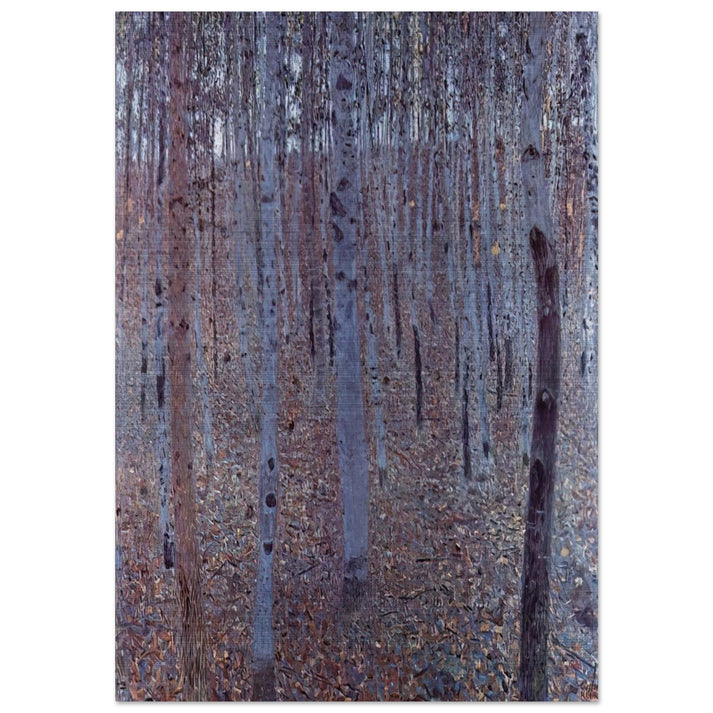
BUCHENHAIN - Gustav Klimt Brushed Aluminum Print - 70x100 cm / 28x40 inches | Gustav Klimt Aluminum Print | Gustav Klimt Prints
BUCHENHAIN - Gustav Klimt Brushed Aluminum Print - 70x100 cm / 28x40 inches | Gustav Klimt Aluminum Print | Gustav Klimt Prints
Couldn't load pickup availability
A Serene Intersection of Nature and Symbolism: Gustav Klimt’s Buchenhain
Experience the meditative depth of Gustav Klimt’s Buchenhain (Beech Forest), a masterpiece that captures the rhythmic soul of the Austrian landscape. Painted during his summer retreats to the Attersee, this piece represents Klimt’s departure from traditional perspective toward a more flattened, decorative 'tapestry' effect. The verticality of the beech trunks creates a shimmering mosaic of texture and light, characteristic of the Austrian Symbolist movement.
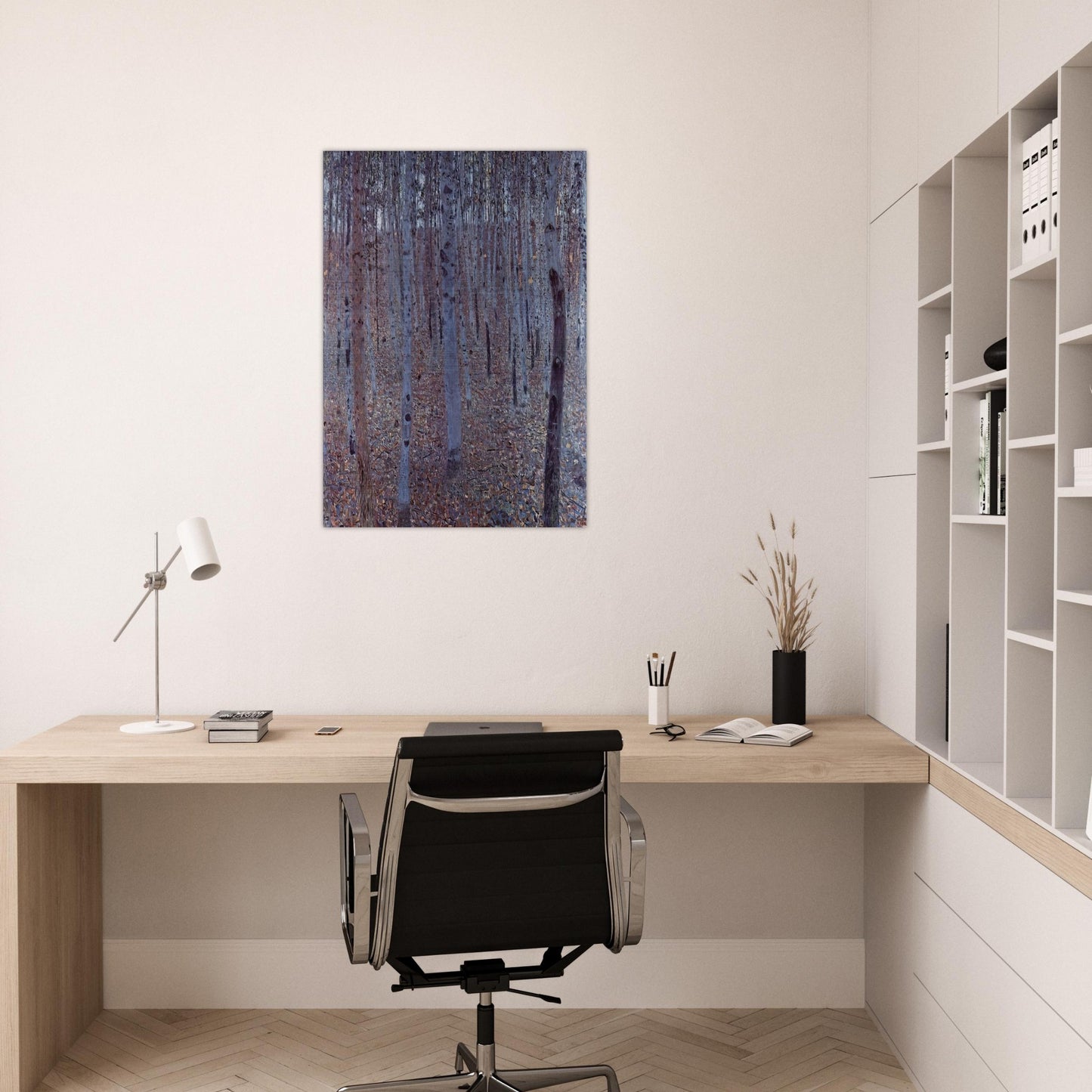
At RedKalion, we elevate this historical work through our museum-quality reproduction on Brushed Silver Aluminum DIBOND®. This medium is particularly suited for Klimt’s intricate detailing; the 3mm (0.12") rigid base provides a durable, modern foundation, while the horizontal grain of the aluminum adds a dynamic, metallic life to the forest floor and bark. The direct print technology ensures vivid color saturation with a sophisticated matte, glare-free finish, making it an ideal focal point for rooms with diverse lighting conditions.
In this specialized Gustav Klimt Aluminum Print, any white or light-colored areas of the original painting are not printed with ink but left to reveal the natural brushed silver effect of the aluminum. This technique grants the artwork a unique luminosity that shifts as you move across the room, honoring the 'Golden Phase' sensibility of the artist. Each fine art print is an archival-grade investment, ensuring the intricate patterns of the beech grove endure for generations. Elevate your interior with a piece that balances 20th-century avant-garde history with 21st-century material innovation.


Discover Unlimited Art Possibilities
At RedKalion, you can find virtually any artwork from any artist, available in a wide range of sizes to perfectly match your space.
If you didn’t find what you’re looking for, contact us at support@redkalion.com . We will source any artwork and produce it in any size and format you need, including art prints, posters, canvas, framed pieces, framed canvas, and more.
For dedicated art enthusiasts, we also offer handcrafted replicas of any artwork, carefully painted by highly skilled artists using traditional techniques.
For custom requests, contact us at support@redkalion.com .
What material is used for the Buchenhain Gustav Klimt print?
This print is crafted on 3mm Brushed Silver Aluminum DIBOND®, featuring a horizontal grain and a metallic finish. This professional-grade material offers a modern, rigid, and durable base for high-end art reproductions.
How do I hang my aluminum wall art?
Each Buchenhain print includes a specialized hanging kit. The specific hardware varies by fulfillment country to ensure the safest and most secure display for your 70x100 cm museum-quality print.
Will the colors fade over time on this aluminum print?
No. We use direct-to-substrate UV printing, which ensures archival longevity and lightfastness. The matte finish protects the artwork from glare and environmental degradation, maintaining its vividity for years.
What is the shipping process for this large-format print?
RedKalion utilizes secure, heavy-duty packaging specifically designed for large aluminum panels. We ship globally with tracked carriers to ensure your Gustav Klimt masterpiece arrives in pristine condition.
What makes the 'brushed silver' finish unique for this Klimt piece?
In the brushed silver effect, unprinted white areas reveal the metallic grain of the aluminum. This adds a sophisticated shimmer to the beech trunks, echoing Klimt’s own fascination with metallic textures.
When did Gustav Klimt paint Buchenhain?
Klimt painted Buchenhain (Beech Forest) around 1902. It belongs to his celebrated series of landscapes created during his summer visits to Lake Attersee, where he explored nature's rhythmic patterns.
How does the 'tapestry' effect work in this artwork?
Klimt used a square format and a flattened perspective to fill the entire canvas with texture. This technique removes a singular focal point, inviting the viewer to get lost in the repetitive, mosaic-like patterns of the forest.