

RedKalion
BULL VI 1973 - Roy Lichtenstein Brushed Aluminum Print - 70x100 cm / 28x40 inches | Roy Lichtenstein Aluminum Print | Roy Lichtenstein Prints
BULL VI 1973 - Roy Lichtenstein Brushed Aluminum Print - 70x100 cm / 28x40 inches | Roy Lichtenstein Aluminum Print | Roy Lichtenstein Prints
Couldn't load pickup availability
Elevate Your Space with Roy Lichtenstein’s Abstraction: Bull VI (1973)
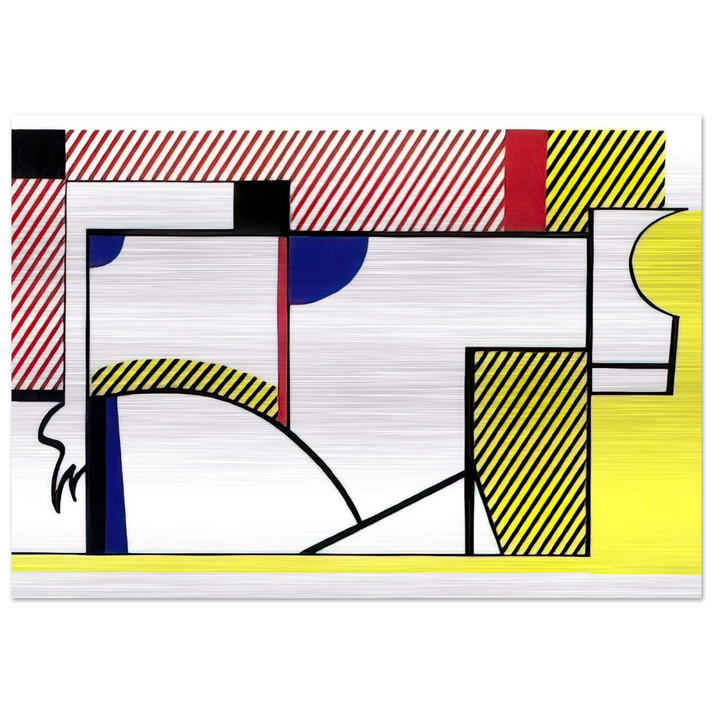
Experience the culmination of mid-century modernism with this museum-quality reproduction of Roy Lichtenstein’s Bull VI (1973). As the final evolution in his renowned 'Bull Profile' series, this piece represents a masterclass in geometric abstraction, where the recognizable form of the bull is distilled into its most elemental lines and color planes. RedKalion is proud to present this iconic work as a fine art print that bridges the gap between commercial aesthetics and high art.
The Convergence of Industrial Precision and Artistic Vision
In Bull VI, Lichtenstein moves beyond his signature Pop Art style to explore the boundaries of minimalism. Our reproduction is meticulously crafted on brushed silver Aluminum DIBOND®, a medium that perfectly mirrors the industrial spirit of the era. This 3mm (0.12") rigid base features a horizontal grain, providing a dynamic, textured backdrop that enhances the artwork's bold, black lines. The unprinted white areas of the design reveal a striking metallic silver effect, creating a sophisticated interplay between light and form that a standard paper print simply cannot achieve.
Archival Quality for the Discerning Collector
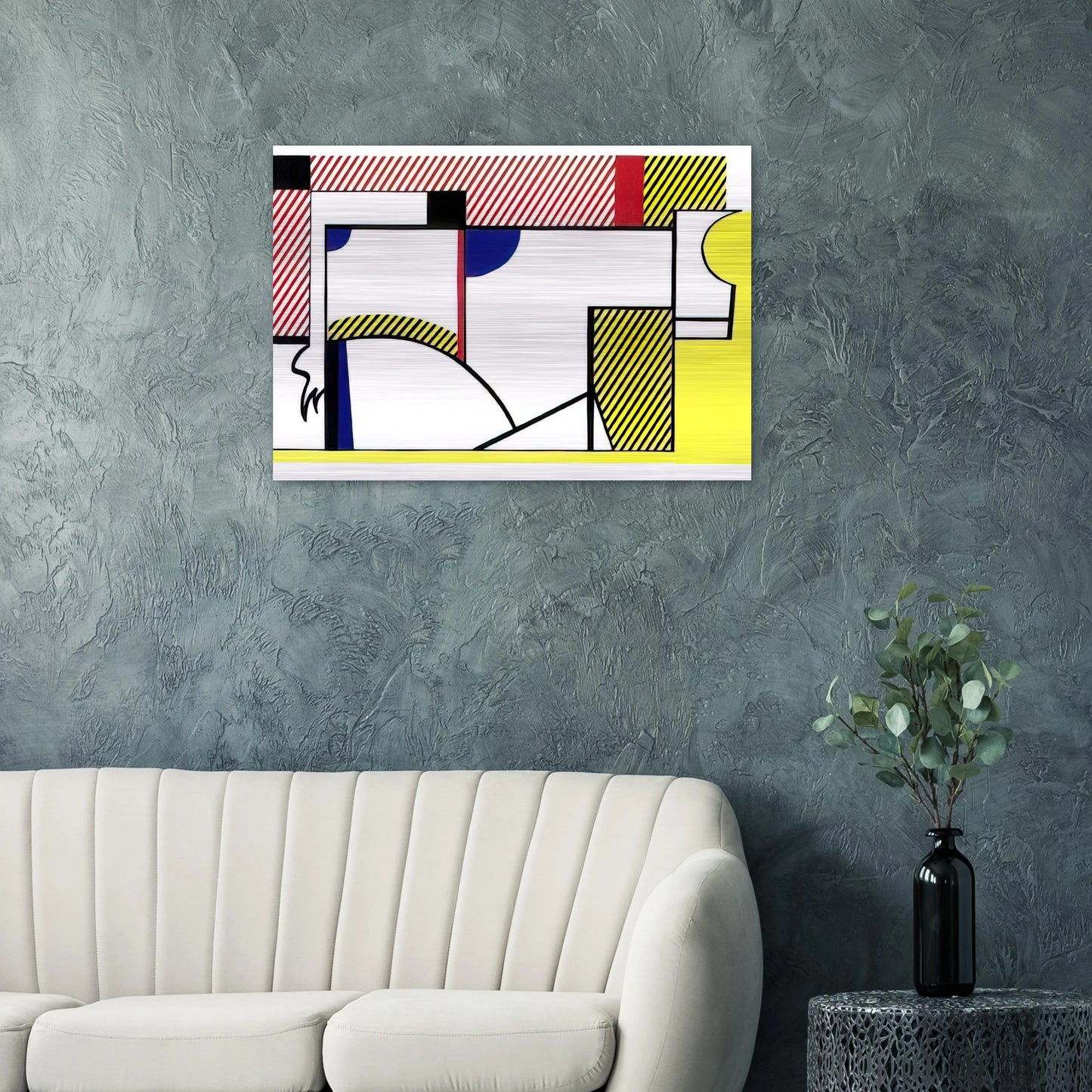
At RedKalion, we believe a Roy Lichtenstein aluminum print should be as enduring as the artist’s legacy. Utilizing direct-print technology, we achieve vivid color saturation and a matte, glare-free finish. This ensures that the intricate details of the composition remain the focus, regardless of your lighting environment. Each piece is an archival masterpiece, designed to offer a contemporary, frameless aesthetic that complements both modern and classic interiors. This 70x100 cm (28x40 inches) edition arrives ready to hang, serving as a definitive focal point for any curated collection.


Discover Unlimited Art Possibilities
At RedKalion, you can find virtually any artwork from any artist, available in a wide range of sizes to perfectly match your space.
If you didn’t find what you’re looking for, contact us at support@redkalion.com . We will source any artwork and produce it in any size and format you need, including art prints, posters, canvas, framed pieces, framed canvas, and more.
For dedicated art enthusiasts, we also offer handcrafted replicas of any artwork, carefully painted by highly skilled artists using traditional techniques.
For custom requests, contact us at support@redkalion.com .
How is my Roy Lichtenstein aluminum print shipped?
Your Bull VI print is securely packaged in specialized protective materials to ensure it arrives in pristine condition. We provide full tracking information for every shipment, ensuring a seamless delivery of your museum-quality reproduction.
What are the benefits of brushed Aluminum DIBOND®?
Brushed Aluminum DIBOND® offers exceptional durability and a unique metallic texture. Its 3mm thickness provides a rigid, warp-resistant base, while the horizontal grain adds a sophisticated, contemporary depth to Lichtenstein’s minimalist aesthetic.
Is the Bull VI 1973 print archival-grade?
Yes. RedKalion uses advanced direct-printing techniques on aluminum to ensure long-term UV resistance and color stability. This matte finish prevents fading and maintains the artwork's integrity for decades.
Does the print come ready to hang?
Absolutely. Every Roy Lichtenstein print includes a professional hanging kit tailored to your fulfillment region. The mounting system is designed to provide a sleek, floating effect against your wall.
How should I clean my fine art print?
To maintain the matte finish, simply wipe the surface gently with a soft, dry microfiber cloth. Avoid using harsh chemicals or abrasive materials, as the aluminum surface is naturally resilient.
What is the significance of the Bull Profile series?
The Bull Profile series (1973) chronicles Lichtenstein’s fascination with the history of abstraction. It mirrors the progression of modern art, transforming a figurative subject into a purely geometric, minimalist composition.
Why does Lichtenstein use bold lines and flat planes in Bull VI?
Lichtenstein utilized these elements to subvert traditional fine art techniques. By using the visual language of commercial printing and industrial design, he challenged the viewer's perception of what constitutes 'high art.'