

RedKalion
Bulrushes on the Banks of the Seine - Pierre-Auguste Renoir Acrylic Print - 70x100 cm / 28x40″ inches | Pierre-Auguste Renoir Wall Art | Pierre-Auguste Renoir Prints
Bulrushes on the Banks of the Seine - Pierre-Auguste Renoir Acrylic Print - 70x100 cm / 28x40″ inches | Pierre-Auguste Renoir Wall Art | Pierre-Auguste Renoir Prints
Couldn't load pickup availability
The Luminous Serenity of Renoir’s Seine
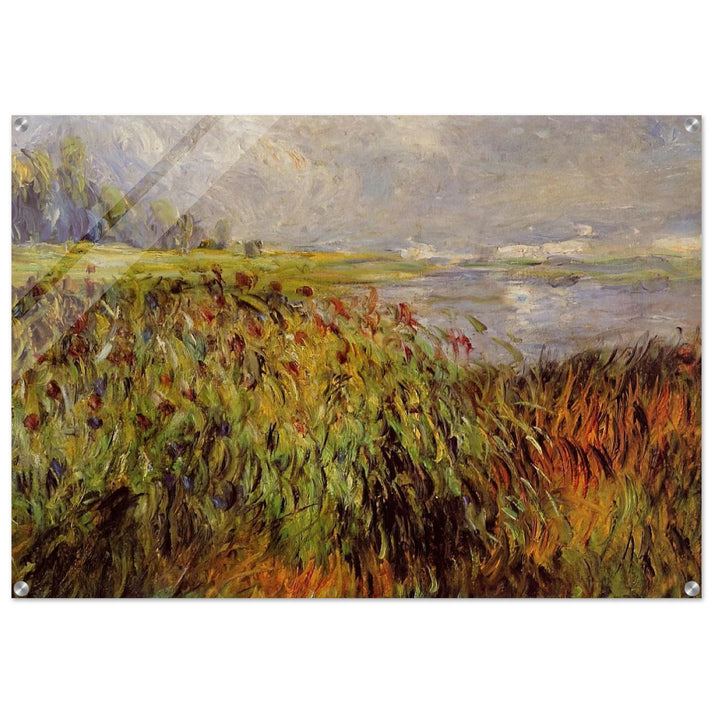
Experience the quintessential charm of French Impressionism with Pierre-Auguste Renoir’s Bulrushes on the Banks of the Seine. This masterful composition showcases Renoir’s legendary ability to capture the interplay of light and water. Unlike the more structured landscapes of his contemporaries, Renoir’s approach here is tactile and emotive, using rhythmic brushstrokes to depict the gentle rustle of reeds and the shimmering reflection of the Parisian sky upon the river’s surface.
Museum-Quality Craftsmanship by RedKalion
At RedKalion, we curate more than just images; we provide a gateway to art history. This fine art print is rendered on premium 4mm (0.15") acrylic, a medium chosen for its ability to enhance the depth and vibrancy of Renoir’s palette. The depth of the acrylic provides a three-dimensional quality that breathes life into the impressionist layers, making the colors appear more luminous than traditional paper prints. Our archival-grade reproduction ensures that the delicate pastels and deep greens of the Seine are preserved for generations.
Contemporary Design and Specifications
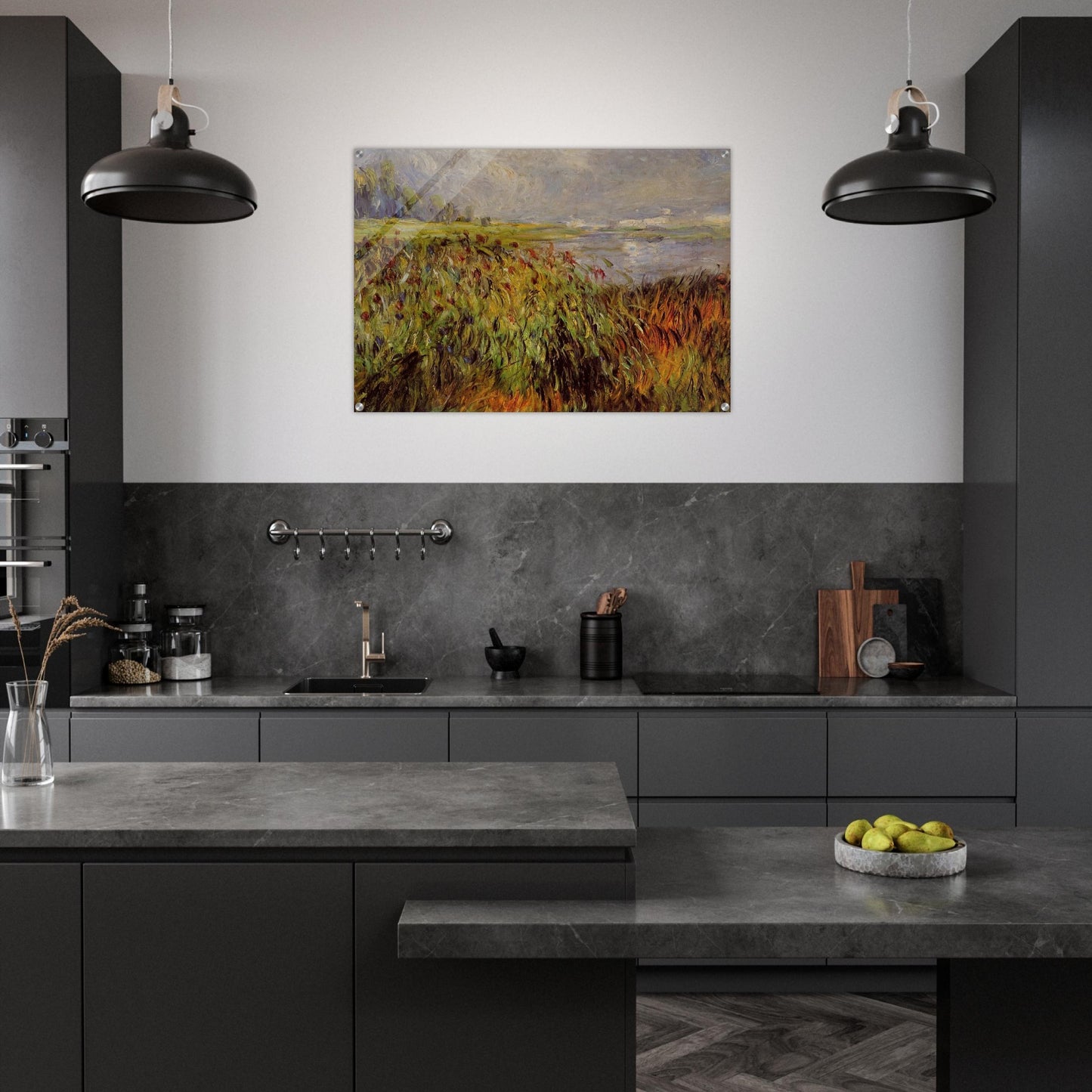
Designed to elevate modern and classical interiors alike, this Pierre-Auguste Renoir wall art features a sleek, minimalist aesthetic with professional straight-cut corners. To ensure an effortless installation, each piece includes a specialized hanging kit with screws and pre-drilled holes located 14mm (0.55") from each edge. This archival masterpiece doesn't just decorate a room; it transforms it into a private gallery, offering a sophisticated focal point that endures through time.
- Material: High-grade 4mm acrylic for a vibrant, glass-like finish.
- Visuals: Crystal-clear clarity with optimized white-backing for color accuracy.
- Durability: Shatter-resistant and more durable than standard glass.
- Hardware: Includes high-quality screw heads (15mm) and mounting hardware.


Discover Unlimited Art Possibilities
At RedKalion, you can find virtually any artwork from any artist, available in a wide range of sizes to perfectly match your space.
If you didn’t find what you’re looking for, contact us at support@redkalion.com . We will source any artwork and produce it in any size and format you need, including art prints, posters, canvas, framed pieces, framed canvas, and more.
For dedicated art enthusiasts, we also offer handcrafted replicas of any artwork, carefully painted by highly skilled artists using traditional techniques.
For custom requests, contact us at support@redkalion.com .
What materials are used for this Renoir reproduction?
This reproduction is crafted on 4mm (0.15") premium acrylic, offering a sleek, vibrant, and durable finish. The material enhances color depth and provides a sophisticated, modern aesthetic compared to traditional canvas or paper.
How is the hanging hardware installed?
The print comes with a comprehensive hanging kit, including screws and hardware. Each corner features pre-drilled holes (8mm diameter) located 14mm from the edge, designed for a secure and level installation.
Will the colors fade over time?
No. RedKalion uses archival-grade inks and UV-resistant acrylic to ensure your Pierre-Auguste Renoir print maintains its original vibrancy and color accuracy for decades without fading.
What is the shipping and handling process?
We use specialized protective packaging to ensure your acrylic print arrives in pristine condition. Each piece is handled with extreme care and shipped via trusted premium carriers with full tracking provided.
Does the acrylic print have a frame?
Our acrylic prints feature a modern, frameless design with straight-cut corners. This provides a clean, contemporary 'floating' effect on your wall, highlighting the artwork itself rather than the border.
When did Renoir paint 'Bulrushes on the Banks of the Seine'?
Renoir painted this serene landscape circa 1877 during the height of the Impressionist movement, a period focused on capturing the immediate, sensory effect of a scene—the 'impression' of light.
What technique did Renoir use for this specific landscape?
Renoir utilized 'en plein air' painting and broken brushstrokes. This technique allowed him to capture the fluid movement of the water and the atmospheric light reflecting off the vegetation along the Seine.