RedKalion
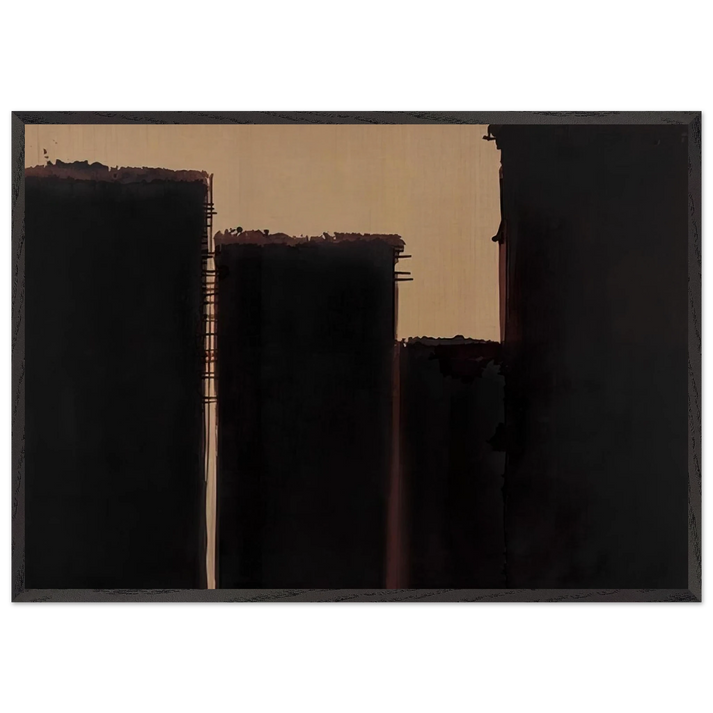
Burnt Umber Ultramarine - 1991 - Yun Hyong-keun 70x100 cm / 28x40 inches Framed Art Print – Black Wooden Frame
Burnt Umber Ultramarine - 1991 - Yun Hyong-keun 70x100 cm / 28x40 inches Framed Art Print – Black Wooden Frame
Couldn't load pickup availability
A Masterpiece of Stillness: Burnt Umber & Ultramarine (1991)
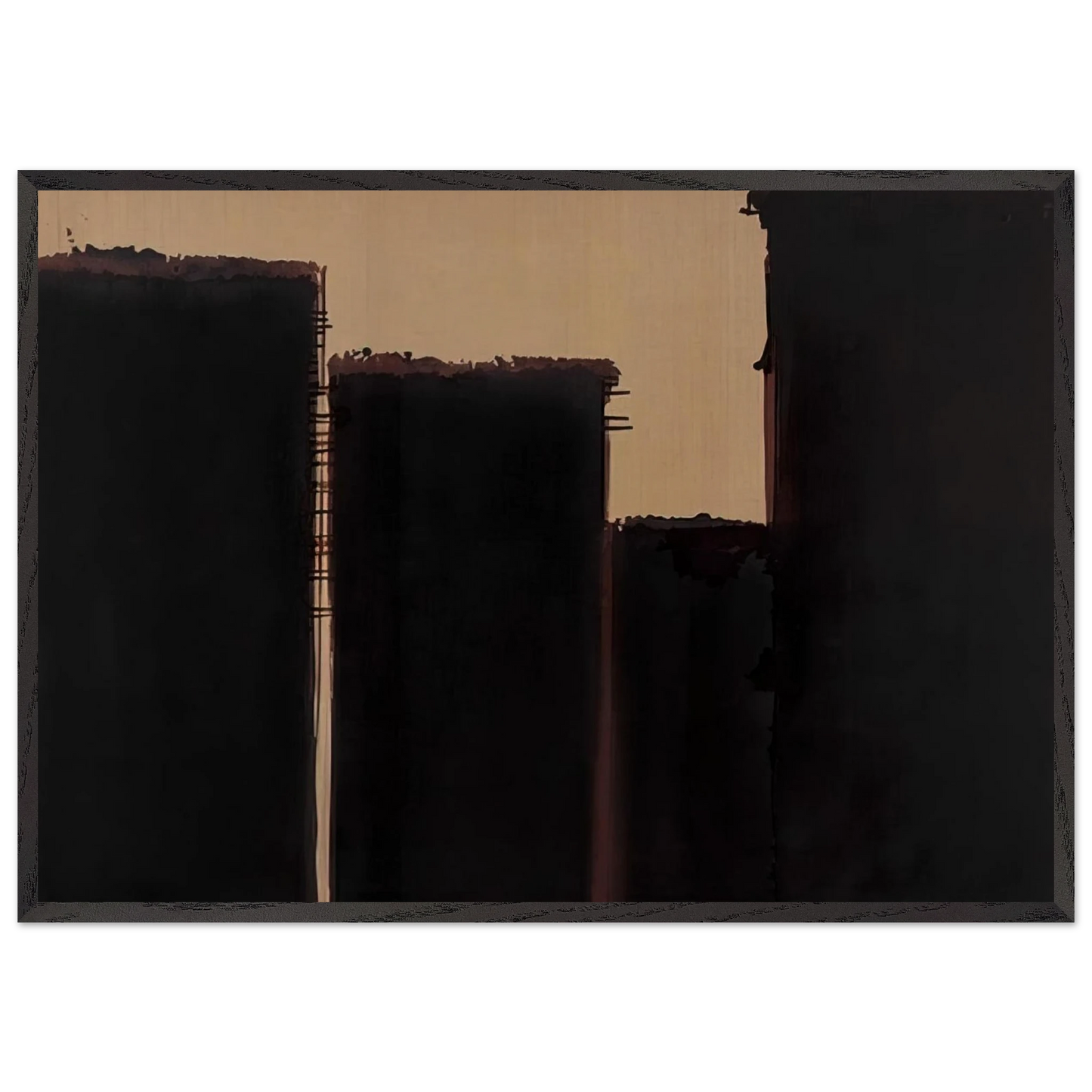
Experience the profound meditative depth of Yun Hyong-keun, a leading figure of the Korean Dansaekhwa movement. This 1991 composition, Burnt Umber & Ultramarine, represents the pinnacle of Yun’s career, where he explored the 'Gate of Heaven and Earth.' By mixing earth-toned burnt umber with the deep blues of ultramarine, Yun created a signature 'black' that signifies the void—a silent, powerful space for reflection.
Museum-Quality Artistry for the Modern Home
At RedKalion, we specialize in museum-quality reproductions that honor the artist's original intent. This fine art print captures the subtle bleeding of pigment and the delicate textures characteristic of Yun’s technique. Every detail is preserved on archival-grade, 250 gsm (110 lb) matte paper, ensuring a natural white finish that prevents glare and maintains color integrity for generations.
Premium Construction and Sustainable Luxury
This framed art print is more than a reproduction; it is a piece of furniture-grade craftsmanship. Encased in a responsibly sourced black wooden frame made from oak and ash, the profile measures a sophisticated 20mm (0.79") in width and thickness, offering a sturdier, more premium presence than standard gallery frames. To ensure your investment remains pristine, each print is protected by shatterproof plexiglass and arrives ready-to-hang with a professional kit included.
- Artist: Yun Hyong-keun (1928–2007)
- Paper: 250 gsm archival, FSC-certified museum paper
- Frame: 20mm thick solid black oak/ash wood
- Finish: Non-reflective matte, natural white
- Durability: Shatterproof plexiglass and archival ink
Elevate your interior with a piece that balances history, philosophy, and minimalist elegance. This archival masterpiece from RedKalion is designed to endure as a focal point of sophistication in any curated space.
Discover Unlimited Art Possibilities
At RedKalion, you can find virtually any artwork from any artist, available in a wide range of sizes to perfectly match your space.
If you didn’t find what you’re looking for, contact us at support@redkalion.com . We will source any artwork and produce it in any size and format you need, including art prints, posters, canvas, framed pieces, framed canvas, and more.
For dedicated art enthusiasts, we also offer handcrafted replicas of any artwork, carefully painted by highly skilled artists using traditional techniques.
For custom requests, contact us at support@redkalion.com .
What materials are used for this fine art print?
We use archival-grade 250 gsm (110 lb) natural white paper with a matte finish. This museum-quality paper is FSC-certified, ensuring durability and a sophisticated texture that prevents glare.
Is the frame made of solid wood?
Yes, the frame is crafted from responsibly sourced, solid oak and ash wood. It features a premium 20mm thickness, providing a robust and elegant profile for the 70x100 cm artwork.
How is the artwork protected and shipped?
The print is protected by high-quality, shatterproof plexiglass. It is shipped in secure packaging and includes a hanging kit, making it ready to hang immediately upon arrival.
What is the significance of 'Burnt Umber & Ultramarine' in Yun Hyong-keun’s work?
Yun mixed burnt umber (representing earth) and ultramarine (representing ocean/heaven) to create a void-like black. This philosophy, known as the 'Gate of Heaven and Earth,' is central to Korean Dansaekhwa.
Is the paper sustainable and long-lasting?
Absolutely. We use archival-grade, acid-free paper that meets FSC standards. This ensures the print will not yellow or degrade over time, preserving the deep tones of the 1991 masterpiece.
Will the colors fade over time?
No, we utilize archival inks and UV-resistant plexiglass. These museum-standard materials protect the pigment from environmental damage, ensuring the rich umber and blue tones remain vibrant for decades.
What was the Dansaekhwa movement?
Dansaekhwa was a 1970s Korean art movement focused on monochrome palettes, materiality, and the meditative process of repetitive mark-making, of which Yun Hyong-keun was a master.