

RedKalion
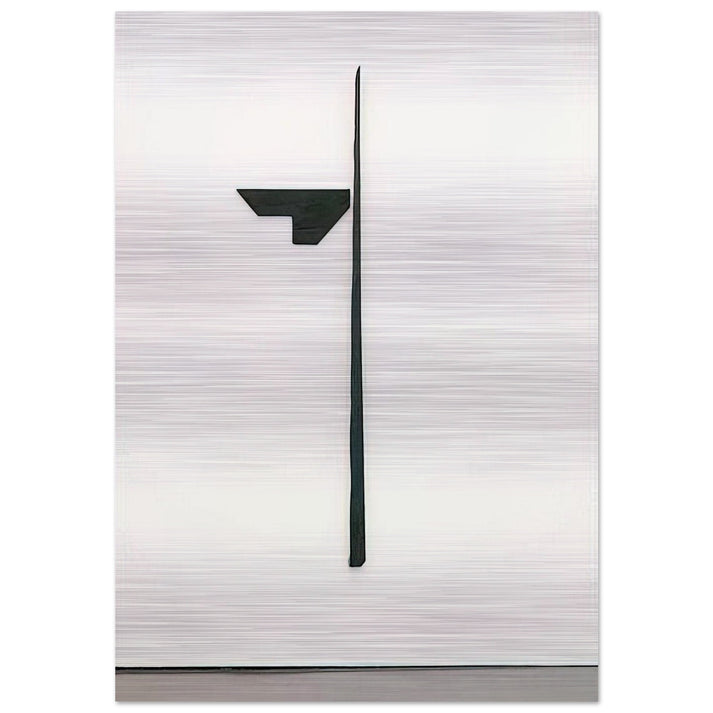
BUTTERFLY II 1969 - BLINKY PALERMO Brushed Aluminum Print - 70x100 cm / 28x40 inches | BLINKY PALERMO Aluminum Print | BLINKY PALERMO Prints
BUTTERFLY II 1969 - BLINKY PALERMO Brushed Aluminum Print - 70x100 cm / 28x40 inches | BLINKY PALERMO Aluminum Print | BLINKY PALERMO Prints
Couldn't load pickup availability
Elevate Your Space with the Minimalist Precision of Blinky Palermo
Blinky Palermo’s Butterfly II (1969) represents a pivotal moment in the evolution of European Post-Minimalism. As a protégé of Joseph Beuys, Palermo sought to transcend the traditional canvas, exploring the rhythmic interplay between geometric form and the architectural space it inhabits. This museum-quality reproduction captures the ethereal balance and quiet authority of the original work, making it an essential acquisition for connoisseurs of 20th-century abstraction.
The Convergence of Form and Industrial Elegance
At RedKalion, we believe a masterpiece deserves a medium that reflects its conceptual depth. This Blinky Palermo fine art print is meticulously rendered on brushed silver Aluminum DIBOND®. The 3mm (0.12") rigid base provides a sophisticated, industrial aesthetic that perfectly complements Palermo’s minimalist sensibilities. The unique horizontal grain of the aluminum adds a dynamic texture, where unprinted white areas reveal a striking metallic silver effect, creating a piece that subtly shifts with the light in your room.
Uncompromising Quality and Archival Standards
To ensure this archival-grade reproduction remains a centerpiece in your collection for decades, we utilize a direct-to-substrate printing process. This results in a glare-free, matte finish that is particularly effective for the clean lines and nuanced tones of Butterfly II. Every print is a testament to RedKalion’s commitment to excellence, offering a durable, warp-resistant structure that meets the highest standards of contemporary gallery presentation.
- Artist: Blinky Palermo
- Title: Butterfly II (Schmetterling II), 1969
- Material: 3mm Brushed Aluminum DIBOND® with a metallic finish
- Finish: Matte, glare-free with horizontal brushed texture
- Longevity: UV-resistant inks for lifelong color integrity


Discover Unlimited Art Possibilities
At RedKalion, you can find virtually any artwork from any artist, available in a wide range of sizes to perfectly match your space.
If you didn’t find what you’re looking for, contact us at support@redkalion.com . We will source any artwork and produce it in any size and format you need, including art prints, posters, canvas, framed pieces, framed canvas, and more.
For dedicated art enthusiasts, we also offer handcrafted replicas of any artwork, carefully painted by highly skilled artists using traditional techniques.
For custom requests, contact us at support@redkalion.com .
What defines the archival quality of this Blinky Palermo print?
RedKalion uses premium UV-resistant inks and 3mm Aluminum DIBOND®, ensuring high durability and protection against fading. This archival approach ensures your museum-quality reproduction maintains its visual integrity for a lifetime.
How does the brushed aluminum finish affect the appearance of "Butterfly II"?
The brushed silver aluminum adds a horizontal grain and a metallic sheen to unprinted areas. This creates a sophisticated, glare-free matte finish that interacts dynamically with ambient light, enhancing the geometric precision of Palermo's work.
Is the hanging hardware included with the print?
Yes, every Blinky Palermo aluminum print arrives with a specialized hanging kit. The specific hardware varies by fulfillment country to ensure the most secure and aesthetic mounting for your specific region.
How is the artwork protected during shipping?
We use heavy-duty, custom-fit packaging designed to protect the 3mm aluminum substrate from impact and scratches. RedKalion guarantees that your artwork arrives in pristine gallery condition, ready for immediate display.
Will the colors fade over time?
No. Our direct-print process on AluDibond utilizes advanced inks that are cured under UV light, making the colors highly resistant to light exposure and environmental factors, ensuring long-lasting vibrancy.
What was Blinky Palermo’s inspiration for "Butterfly II"?
Palermo was inspired by the relationship between color and space. "Butterfly II" reflects his interest in 'Stoffbilder' (fabric paintings) and geometric shapes that suggest organic movement while maintaining a strict, minimalist aesthetic.
How does this 1969 piece fit into the Minimalist movement?
Created in 1969, Butterfly II exemplifies Palermo’s move toward reductive geometry. It bridges the gap between the American Minimalist focus on the 'object' and the European tradition of expressive, spatial abstraction.